U.S. Government Returns $100 Billion in Tariffs Following Court Mandate
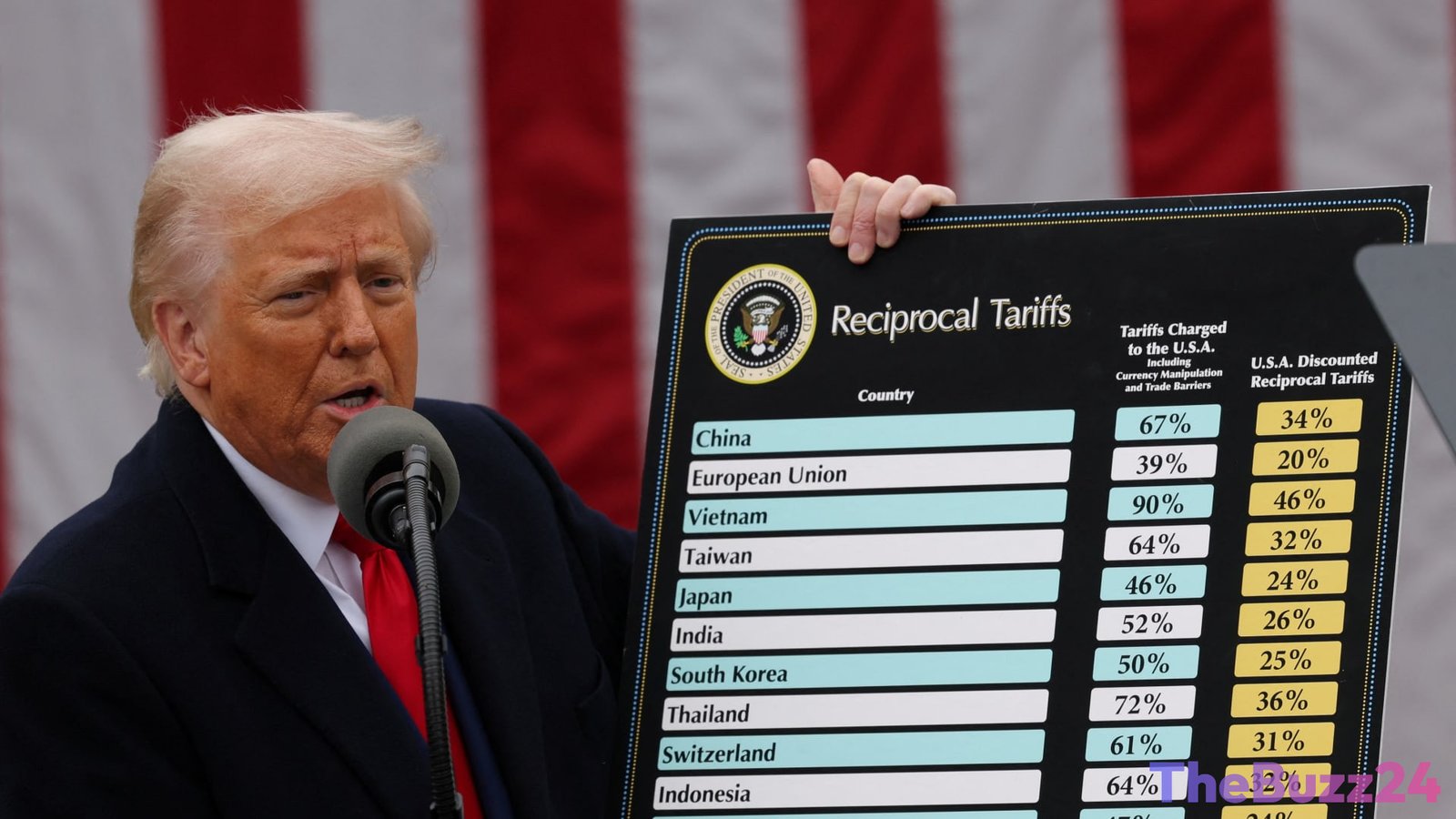
The U.S. government has initiated the refund of approximately $100 billion in tariff revenue, originally collected under the Trump administration’s 2025 duties. These tariffs, which were imposed using the International Emergency Economic Powers Act (IEEPA), were ultimately invalidated by the Supreme Court, leading to a federal judge’s order for their reimbursement.
This significant refund represents about 60% of the estimated $166 billion the government had collected through the sweeping IEEPA tariffs. The former President, who frequently utilized tariffs as a central component of his economic and foreign policy, has expressed strong disapproval of the court’s decision. Despite the legal setback, his administration has actively sought to re-establish similar tariff regimes through alternative legal avenues, though these new methods are already facing their own judicial challenges.
To manage the extensive refund process, U.S. Customs and Border Protection (CBP) launched the Consolidated Administration and Processing of Entries (CAPE) system in late April. As of July 31, CAPE has processed 252,496 tariff refund declarations, encompassing over 25 million import entries. While nearly $129 billion in potential and certified refunds have been accepted for processing, approximately $100 billion has been fully certified and forwarded to the Treasury Department for disbursement.
However, the refund operation still faces a considerable task, with over 330,000 importers having paid IEEPA tariffs on more than 53 million entries. The process is further complicated by ongoing legal actions, including a lawsuit filed by Freestyle World, a California-based importer, which seeks class-action status for smaller businesses reportedly encountering difficulties in obtaining their refunds through the CAPE system.
Key Takeaways
- The U.S. government has refunded approximately $100 billion in tariffs previously collected under the International Emergency Economic Powers Act (IEEPA).
- These refunds stem from a Supreme Court decision that invalidated the IEEPA tariffs and a subsequent federal court order.
- Despite the refunds, the administration is pursuing new tariff mechanisms, which are also encountering legal challenges, while a significant portion of affected importers still await their refunds.
Editor’s Analysis & Impact
The refund of $100 billion in IEEPA tariffs marks a significant financial relief for numerous importers, though the protracted process and ongoing legal disputes highlight persistent uncertainties in U.S. trade policy. For businesses, particularly smaller entities, the slow pace of refunds and the complexities of the CAPE system could still pose liquidity challenges. The administration’s continued pursuit of tariff-based policies, even through new legal frameworks, suggests that trade tensions and the use of tariffs as a geopolitical tool will likely persist. This situation underscores the dynamic interplay between executive power and judicial oversight, creating an unpredictable environment for international trade and supply chains. Future developments will hinge on the outcomes of ongoing court challenges and the efficiency of the refund distribution.
Frequently Asked Questions
Q: What were the 'liberation day' tariffs?
A: These were tariffs imposed by the Trump administration in 2025 under the International Emergency Economic Powers Act (IEEPA), which were later deemed unauthorized by the Supreme Court.
Q: Why are these tariffs being refunded?
A: The Supreme Court ruled that the IEEPA did not authorize these specific tariffs, leading to a federal judge's order for all collected funds to be returned to importers.
Q: How much money has been refunded so far?
A: Approximately $100 billion has been processed and sent to the Treasury Department for disbursement, out of an estimated $166 billion collected.
AI Disclosure: This article is based on verified data and official reports. Our Team and AI have cross-referenced every financial detail with primary sources to ensure total accuracy.
More from this Category