AI Hedge Fund’s Near Collapse Serves as Stark Warning to Leveraged Markets, Says Bank of America CEO
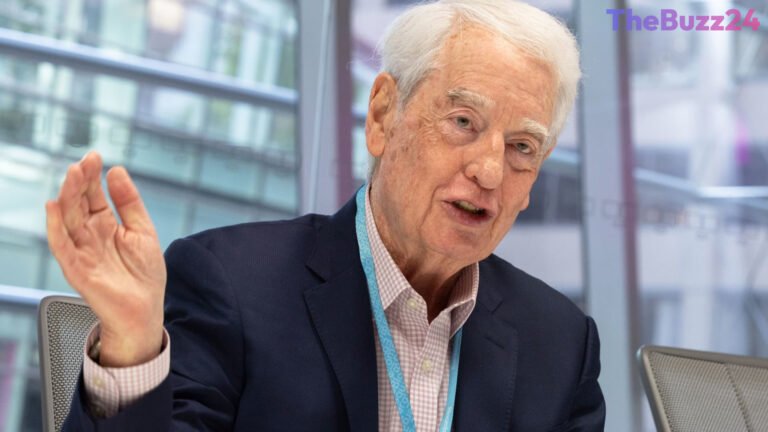
The recent near-failure of the prominent AI-focused hedge fund, Situational Awareness, has been characterized as a critical warning sign for the broader financial markets, according to Bank of America CEO Brian Moynihan. The fund, managed by Leopold Aschenbrenner, experienced a significant crisis, forcing it to divest a substantial portion of its public equity holdings to Citadel in a rapid sale as its artificial intelligence-related investments faltered.
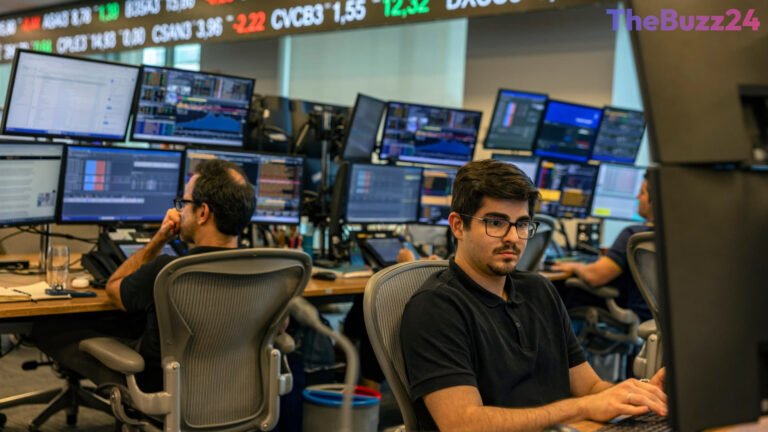
Bank of America, alongside other major financial institutions like Goldman Sachs and JPMorgan Chase, served as a prime broker for Situational Awareness, providing essential trading execution and leverage. Moynihan’s remarks indicate that the largest prime brokers on Wall Street are actively reassessing their exposure to highly leveraged investment entities. This scrutiny comes at a time when market valuations are high and leverage is prevalent throughout the financial system.
Situational Awareness, which launched in 2024, rapidly grew to manage a peak of $45 billion in assets, fueled by the intense optimism surrounding artificial intelligence. However, the fund’s concentrated bets, particularly on AI hardware suppliers like South Korean memory chip maker SK Hynix, proved precarious. When technology stocks experienced a downturn last month, the fund faced substantial margin calls from its prime brokers. This situation compelled Situational Awareness to sell assets into a declining market, exacerbating its losses and creating a dangerous downward spiral that jeopardized its existence.
The intervention by Citadel reportedly helped to alleviate immediate fears of further market disruption, leading to a rebound in several AI infrastructure companies. Moynihan emphasized the importance of learning from such events, suggesting a potential tightening of underwriting standards, even if only slightly, in response to significant market run-ups. He also noted that Bank of America would have been financially secure even without the Citadel transaction.
Key Takeaways
- Bank of America CEO Brian Moynihan warns that the near-collapse of AI hedge fund Situational Awareness is a cautionary tale for leveraged markets.
- The fund's rapid growth and subsequent crisis highlight the risks associated with high valuations and significant leverage, particularly in concentrated bets on emerging technologies like AI.
- Major prime brokers are reportedly re-evaluating their exposure to highly leveraged investment firms following the incident.
Editor’s Analysis & Impact
The near-meltdown of Situational Awareness underscores the inherent volatility within highly leveraged investment strategies, especially when concentrated in rapidly evolving sectors like artificial intelligence. While the AI boom has presented significant opportunities, this event serves as a potent reminder of the risks involved. The involvement of major prime brokers like Bank of America, Goldman Sachs, and JPMorgan Chase suggests a systemic re-evaluation of risk management protocols. This could lead to tighter lending standards for hedge funds, potentially impacting the flow of capital into speculative trades and influencing market dynamics for AI-related stocks. The incident highlights the delicate balance between innovation-driven growth and financial stability.
Frequently Asked Questions
Q: What is a prime broker?
A: A prime broker is a division of an investment bank that offers a bundled set of services to hedge funds and other large institutional investors. These services typically include trade execution, custody of assets, financing (leverage), securities lending, and capital introduction.
Q: What are margin calls?
A: A margin call is a demand from a broker to an investor to deposit additional money or securities into their account to meet a minimum maintenance margin requirement. This typically occurs when the value of the investor's holdings has fallen, reducing the equity in their account below the required level.
Q: Why was the Situational Awareness fund focused on AI?
A: Situational Awareness, like many funds in recent times, likely focused on AI due to the immense growth potential and market excitement surrounding artificial intelligence technologies. The fund aimed to capitalize on the anticipated rise of companies involved in AI development, hardware, and applications.
AI Disclosure: This article is based on verified data and official reports. Our Team and AI have cross-referenced every financial detail with primary sources to ensure total accuracy.
More from this Category