Global Markets Rally and Tech Volatility: Key Financial Movements Across Wall Street, Asia, and Europe
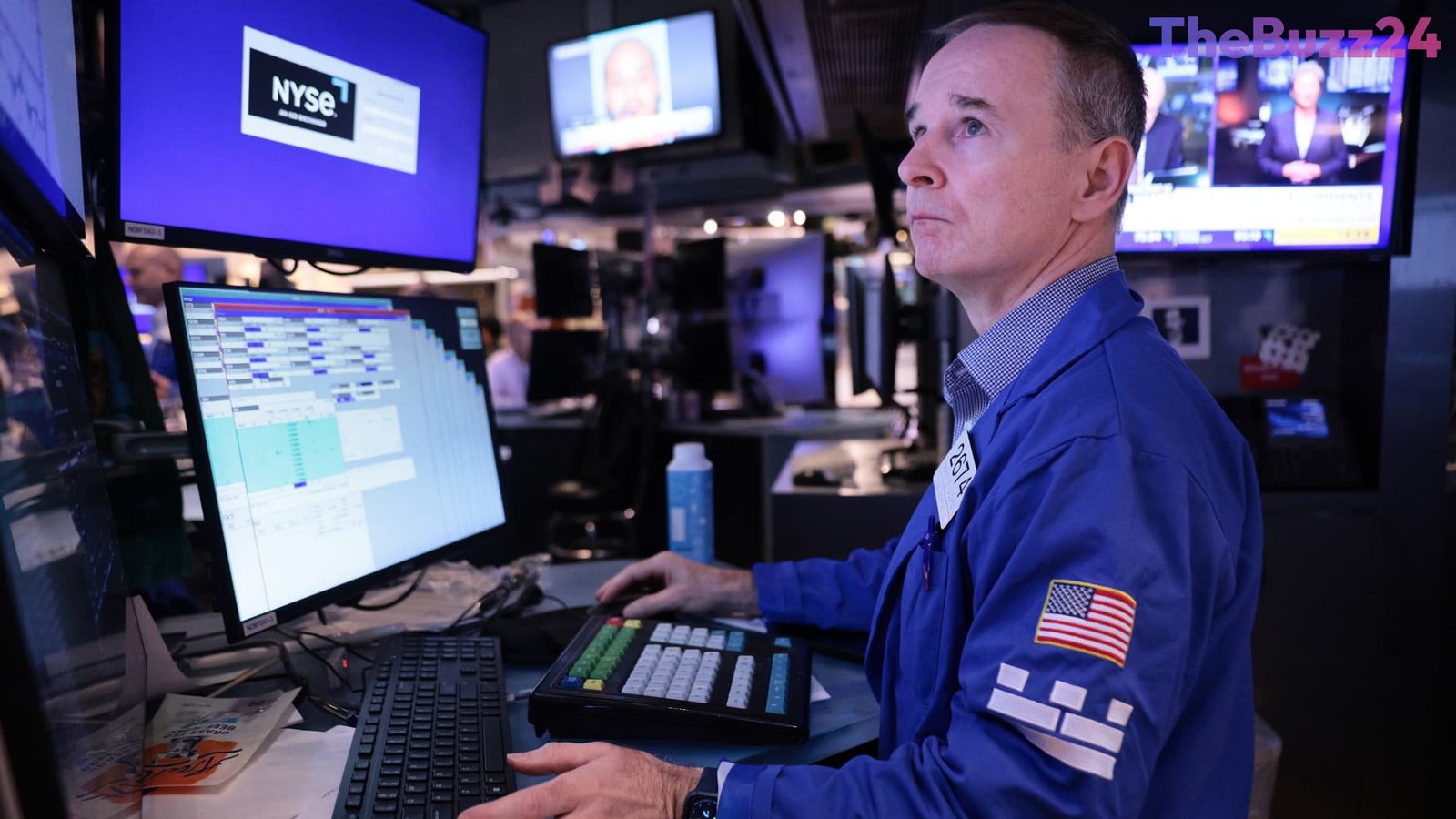
Global financial markets experienced significant volatility and dynamic shifts as investors digested a wave of corporate earnings, shifting central bank policies, and major geopolitical developments. U.S. stock futures rose early in the session following a record-breaking close for the Dow Jones Industrial Average, driven by optimism surrounding ongoing corporate reports. However, the broader technology sector faced downward pressure, echoing steep tech sell-offs observed across Asian markets.
In the corporate sphere, SpaceX became a focal point of investor attention as its initial post-IPO stock lock-up period expired, releasing hundreds of millions of shares into the open market. This milestone arrived closely on the heels of the aerospace company’s heavy capital expenditure reporting dedicated to artificial intelligence expansion. Meanwhile, international markets displayed mixed trajectories; European equities opened in generally positive territory as regional tech stocks stabilized, counterbalancing the sharp declines seen in Asian indices like Japan’s Nikkei 225 and South Korea’s Kospi.
Energy and commodity sectors also witnessed notable movements, with crude oil prices dipping amid growing optimism regarding potential diplomatic breakthroughs and a possible easing of tensions in the Middle East. Concurrently, spot gold hovered near multi-month highs, supported by softer-than-expected labor market data that tempered aggressive interest rate hike expectations by the Federal Reserve. As corporations continue to navigate supply chain constraints, artificial intelligence infrastructure demands, and evolving macroeconomic headwinds, market participants remain vigilant ahead of upcoming crucial employment reports.
Key Takeaways
- U.S. stock futures advanced following a record-setting close for the Dow Jones Industrial Average, while tech-heavy indices experienced mixed trading sessions.
- SpaceX shares faced heightened attention and market testing as its initial insider lock-up period expired, releasing over 900 million shares.
- Crude oil prices edged lower on signs of easing Middle Eastern tensions, while gold prices surged following weaker employment and payroll data.
Editor’s Analysis & Impact
The current financial landscape reflects a complex tug-of-war between aggressive technological infrastructure spending—particularly in AI—and macroeconomic uncertainties regarding persistent inflation and monetary policy. The massive capital expenditures by industry giants like SpaceX highlight a broader structural commitment to next-generation technologies, even as it causes short-term valuation jitters among investors. Concurrently, the stabilization of European tech stocks following Asian market corrections suggests localized resilience, yet global supply chain bottlenecks and geopolitical variables in energy markets continue to pose underlying risks. Moving forward, the market’s trajectory will heavily depend on upcoming central bank decisions, labor market resilience, and how effectively companies can monetize heavy AI investments without sacrificing near-term profitability.
Frequently Asked Questions
Q: Why did SpaceX shares draw intense market focus recently?
A: SpaceX drew significant market attention because its initial post-IPO insider lock-up period expired, releasing over 900 million shares into the market, coinciding with heavy capital expenditures directed toward artificial intelligence.
Q: How did Asian and European markets react to tech sector volatility?
A: Asian markets suffered steep declines in technology heavyweights like Samsung, SK Hynix, and Tokyo Electron. In contrast, European stock markets opened higher with tech shares stabilizing, absorbing the external shock better than their Asian counterparts.
Q: What factors influenced gold and oil prices during this period?
A: Gold prices rose to multi-month highs due to weaker-than-expected private employment data that reduced the likelihood of aggressive Federal Reserve interest rate hikes. Meanwhile, oil prices slipped on optimism surrounding potential diplomatic progress in the Middle East.
AI Disclosure: This article is based on verified data and official reports. Our Team and AI have cross-referenced every financial detail with primary sources to ensure total accuracy.
More from this Category