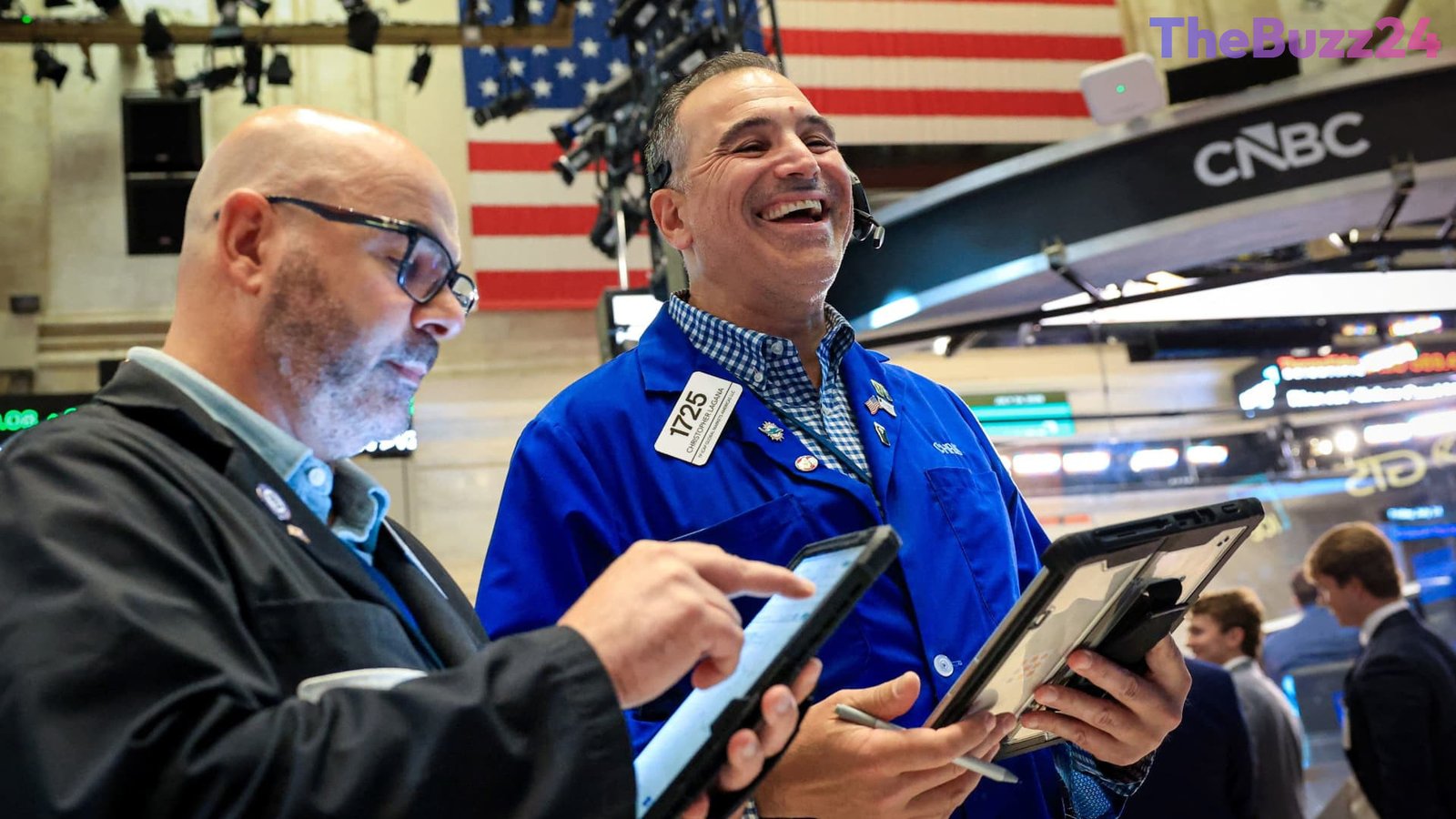
Market Euphoria: S&P 500 Hits Record Highs Amid Unprecedented Options Activity
The S&P 500 reached historic milestones this week, climbing above the 7,700 threshold as investor confidence surged to new heights. The rally was underscored by a massive influx of options trading, with volume records shattered on Tuesday. Notably, the Cboe Volatility Index (VIX) retreated to its lowest point since early 2026, signaling a period of remarkable market stability and bullish sentiment among institutional and retail participants alike.
Trading activity reached a fever pitch as over four million S&P 500 index calls were exchanged in a single day, surpassing previous records set earlier this year by 10%. A significant portion of this volume was driven by zero-day-to-expiry call options, reflecting an aggressive appetite for short-term market exposure. Furthermore, the put-to-call ratio dropped to 0.83, indicating that investors are currently prioritizing upside participation over traditional hedging strategies.
Beyond the index itself, the broader market saw significant momentum in the technology and semiconductor sectors. The iShares Semiconductor ETF (SOXX) posted a weekly gain of over 7%, while specialized funds like the Corgi Lithography & Semiconductor Photonics ETF (EUV) surged by 13%. This optimism is supported by strong fundamental data, with S&P 500 earnings projected to grow by 47% in the second quarter—the most robust expansion observed since the post-pandemic recovery of 2021.
Key Takeaways
- The S&P 500 achieved record highs, surpassing the 7,700 level amid record-breaking options trading volume.
- Market volatility, as measured by the VIX, has reached its lowest point since early 2026, reflecting high investor confidence.
- Semiconductor stocks and tech-focused ETFs led the market rally, bolstered by strong projected earnings growth for the second quarter.
Editor’s Analysis & Impact
The current market environment is characterized by a ‘fear of missing out’ (FOMO) dynamic, evidenced by the record-breaking volume in zero-day-to-expiry options. While the surge in call buying and the compression of the VIX suggest a strong bullish trend, the concentration of open interest at specific strike prices—such as the 760-strike for SPY—indicates where potential support and resistance levels lie. The market is currently betting heavily on a ‘soft landing’ or continued economic expansion, supported by a stabilization in Treasury yields and robust corporate earnings. However, the extreme skew toward call options could lead to heightened sensitivity if macroeconomic data shifts unexpectedly. Investors should monitor the 785-strike level as a key indicator of continued upside momentum versus potential profit-taking exhaustion.
Frequently Asked Questions
Q: What does a low VIX reading signify for the stock market?
A: A low VIX reading indicates low expected volatility in the S&P 500 over the next 30 days, which is generally interpreted by investors as a sign of market complacency or high confidence in current price trends.
Q: Why is the put-to-call ratio important for traders?
A: The put-to-call ratio helps gauge market sentiment. A low ratio, such as the 0.83 observed recently, suggests that more investors are buying call options (betting on price increases) than put options (hedging against price decreases), reflecting a bullish market outlook.
AI Disclosure: This article is based on verified data and official reports. Our Team and AI have cross-referenced every financial detail with primary sources to ensure total accuracy.
More from this Category