The Retro Revival: Can Myspace Stage a Comeback in an Age of Social Media Fatigue?
Decades after losing its crown to Facebook and fading into internet history, the iconic early 2000s platform Myspace is once again eyeing a potential return. Current stewards of the brand, Viant Technology co-founders Tim and Chris Vanderhook, have reignited speculation about another relaunch. Having acquired the platform back in 2011 and previously enduring heavy financial losses trying to modernize it, the leadership remains undeterred, suggesting they are simply waiting for the optimal moment to bring the retro network back to life.
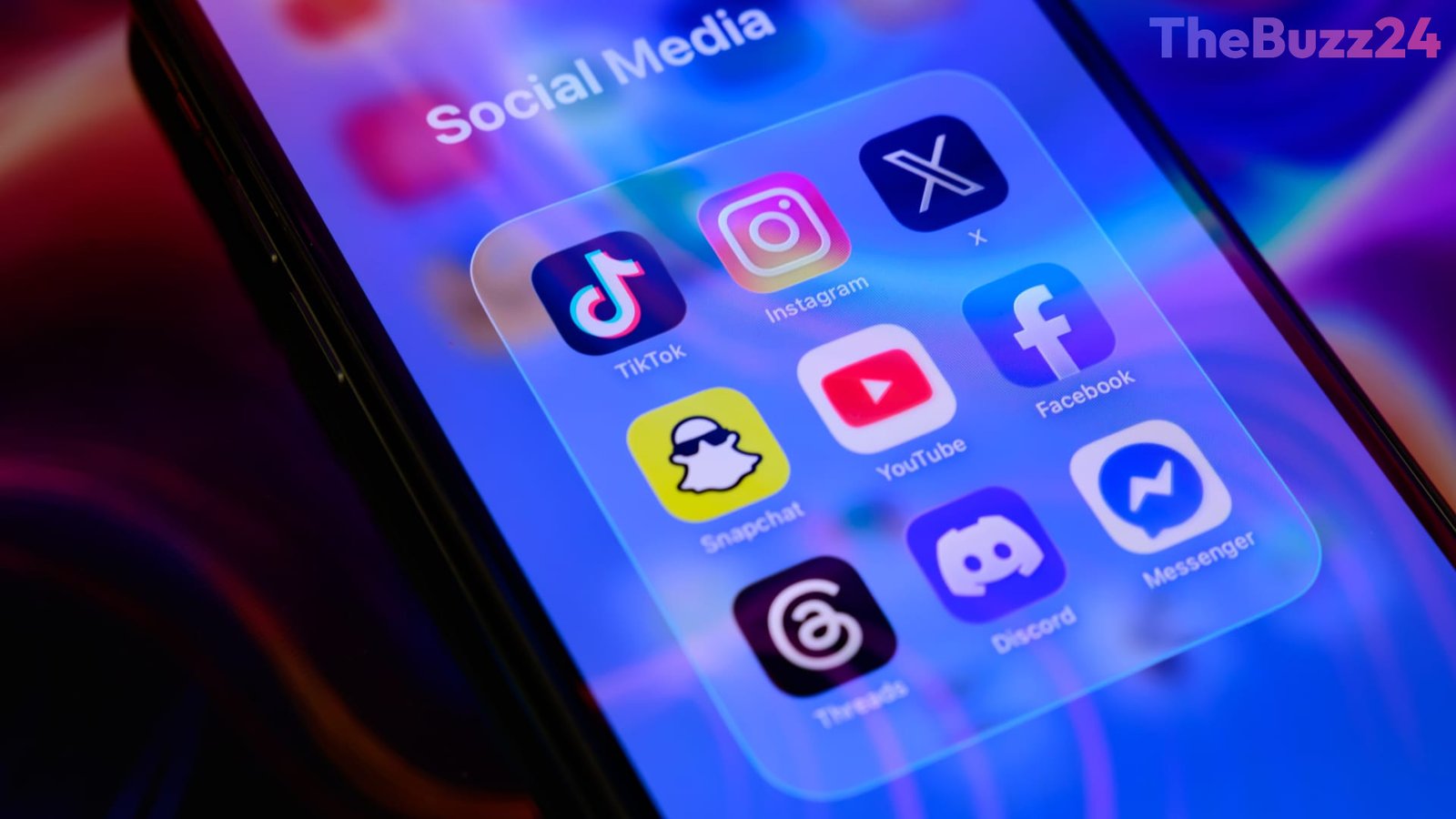
However, re-entering today’s digital ecosystem presents immense challenges. The modern social media landscape is heavily saturated, dominated by algorithm-driven giants like Meta’s Instagram, TikTok, YouTube, and Reddit. Industry experts note that while millennials might experience a wave of nostalgia for the days of customizable profiles and their first friend ‘Tom,’ translating that emotional connection into daily active engagement will be a steep uphill battle. Furthermore, younger demographics accustomed to seamless, short-form content may find the aesthetic of the 2000s web era overly labor-intensive.
Despite the long odds, market analysts suggest there might be a strategic opening driven by widespread digital fatigue. With users increasingly seeking alternatives to hyper-algorithmic feeds and growing weary of mainstream platforms, a counter-programming approach could resonate. Rather than attempting to dethrone major industry incumbents, a leaner, more niche version of Myspace could position itself as an antidote to modern social media exhaustion. Nevertheless, the platform will need to navigate strict regulatory environments, secure advertiser confidence, and offer a genuinely compelling reason for users to log back on.
Key Takeaways
- Myspace owners Tim and Chris Vanderhook have teased another potential relaunch of the early 2000s social network.
- Analysts warn that the platform faces fierce competition from algorithm-driven giants and must overcome user fatigue regarding complex interfaces.
- Success for the resurrected platform will depend on capturing niche audiences, securing small-to-midsize advertisers, and offering an alternative to mainstream social media.
Editor’s Analysis & Impact
The potential revival of Myspace highlights a fascinating psychological trend in the current digital landscape: peak social media fatigue. As younger generations grapple with screen addiction and older demographics yearn for a simpler, pre-algorithmic internet, the appetite for analog aesthetics is growing. However, historical precedents—such as the rapid rise and fall of alternative apps like BeReal or Noplace—demonstrate that initial nostalgia rarely translates into long-term retention. For Myspace to carve out a sustainable niche, it cannot simply rely on Y2K branding; it must deliver a genuinely unique utility that appeals to modern privacy expectations and shifts away from ad-heavy, hyper-curated feeds.
Frequently Asked Questions
Q: Who currently owns Myspace?
A: Myspace is owned by Viant Technology co-founders Tim and Chris Vanderhook, who acquired the platform in 2011.
Q: Why are the owners considering a relaunch now?
A: The leadership aims to capitalize on growing digital fatigue, widespread frustration with modern algorithm-driven social media, and strong millennial nostalgia for early 2000s internet culture.
Q: What are the main obstacles facing a Myspace comeback?
A: Key challenges include competing with dominant platforms like TikTok and Instagram, attracting advertisers to a mid-sized network, and appealing to younger generations who are accustomed to cleaner, faster user interfaces.
AI Disclosure: This article is based on verified data and official reports. Our Team and AI have cross-referenced every financial detail with primary sources to ensure total accuracy.
More from this Category