Cybersecurity Expert Develops ‘Adversarial’ Patterns to Evade Surveillance Detection
A cybersecurity professional has developed a novel method to circumvent modern surveillance systems, creating computer-generated patterns designed to prevent cameras and license plate readers from detecting objects or individuals. Bill Swearingen, the creator of the ‘noRecognition’ project, has spent the past year refining these patterns through extensive testing, aiming to offer a way for people to opt out of pervasive algorithmic tracking.
Swearingen’s patterns do not obstruct camera recording but instead disrupt the object and facial recognition algorithms that power many surveillance technologies. This effectively renders the covered items or people invisible to automated detection systems, making them difficult to identify within vast amounts of footage. The motivation behind this project stems from growing concerns about privacy and the potential for misuse of widespread surveillance, particularly for tracking individuals exercising their rights to free expression.
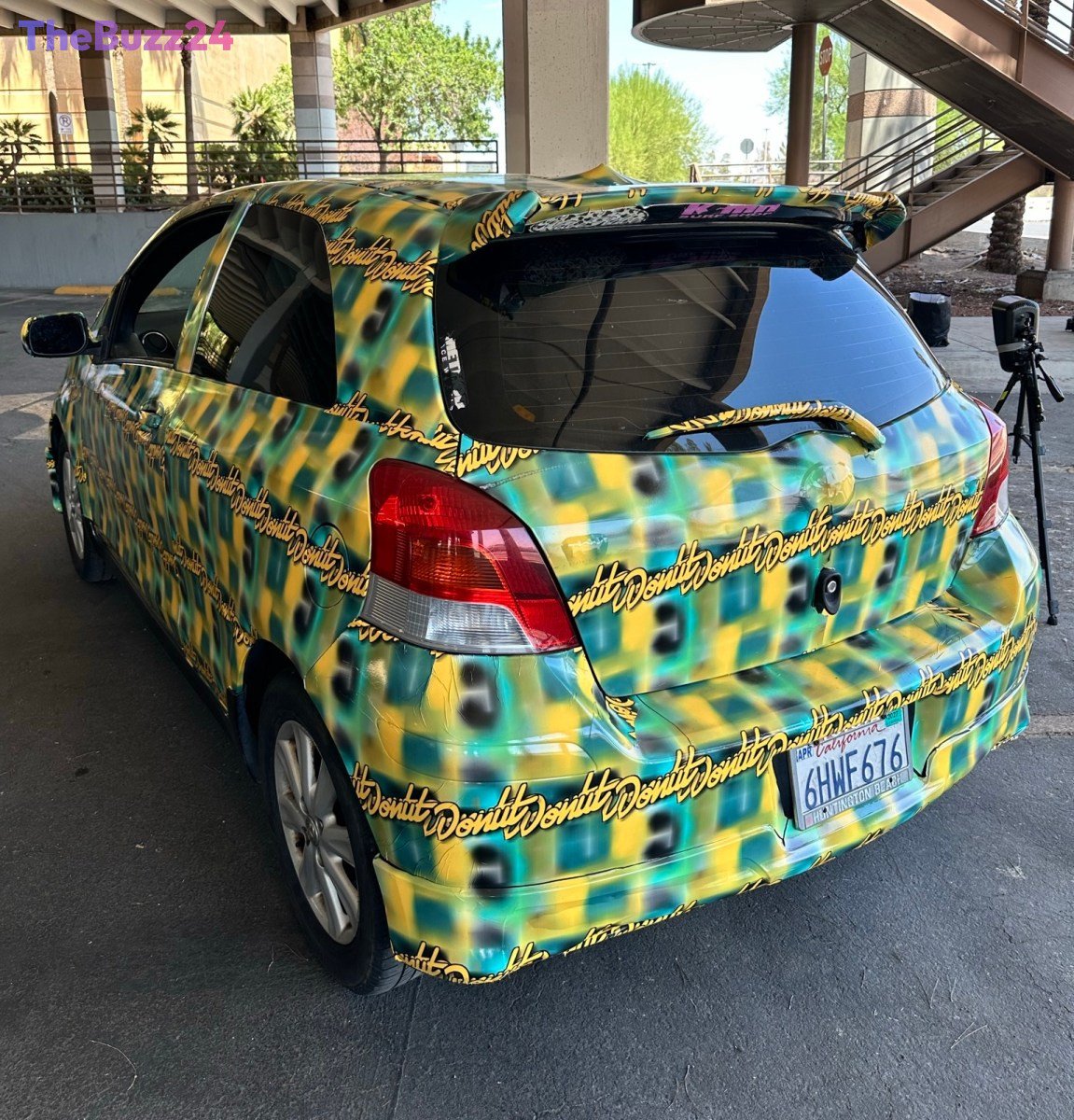
In a public demonstration at the Def Con cybersecurity conference in Las Vegas, Swearingen showcased the effectiveness of his patterns. A vehicle adorned with one of the patterns was tested against a Flock license plate reader camera, successfully evading detection. This real-world test validates the concept that algorithmic surveillance can be actively countered, offering a potential tool for individuals seeking to maintain privacy in increasingly monitored public spaces.
The ‘noRecognition’ project utilizes a reinforcement learning model that continuously refines the patterns, learning from failures to improve their efficacy against various detection algorithms. Swearingen plans to make these patterns accessible through merchandise like T-shirts and hoodies, with the goal of providing a practical and aesthetically pleasing solution for privacy-conscious individuals. While the most potent patterns are being kept private to prevent countermeasures, the research continues to evolve, with new and improved patterns being generated regularly.
Key Takeaways
- A new project called 'noRecognition' has created computer-generated patterns that can prevent surveillance cameras and license plate readers from detecting objects and people.
- These patterns work by disrupting detection algorithms rather than blocking camera recording, making individuals 'invisible' to automated tracking.
- The effectiveness of these 'adversarial' patterns was demonstrated in a real-world test at the Def Con cybersecurity conference, with plans to make them available through merchandise.
Editor’s Analysis & Impact
The development of ‘noRecognition’ patterns highlights a growing arms race between surveillance technology and privacy-enhancing tools. As AI-powered surveillance becomes more sophisticated and widespread, the demand for methods to circumvent it is likely to increase. This innovation could have significant implications for personal privacy, law enforcement practices, and the future of public monitoring. While the immediate impact may be felt by individuals seeking to avoid tracking, the technology could also spur further development in both detection and evasion techniques, shaping the landscape of digital security and personal freedom.
Frequently Asked Questions
Q: How do the 'noRecognition' patterns work?
A: The patterns are computer-generated designs that, when applied to clothing or objects, confuse the AI algorithms used by surveillance cameras and license plate readers. They don't block the camera from recording but prevent the software from identifying what it's seeing.
Q: Are these patterns effective against all surveillance cameras?
A: The project has successfully tested against several open-source detection algorithms, including those used in Flock license plate readers and Axon body-worn cameras. However, effectiveness against all types of surveillance systems, especially proprietary ones, is still being developed and refined.
Q: How can I get access to these patterns?
A: The creator, Bill Swearingen, plans to make the patterns available through merchandise like T-shirts and hoodies. Some of the most effective patterns are being kept private to prevent camera manufacturers from developing countermeasures.
AI Disclosure: This article is based on verified data and official reports. Our Team and AI have cross-referenced every financial detail with primary sources to ensure total accuracy.
More from this Category