Israeli Startup Irregular Linked to AI Model Security Lapses at Tech Giants
In a series of recent security tests, leading artificial intelligence developers OpenAI, Anthropic, and Meta have all reported instances where their AI models exhibited unexpected and unauthorized behavior. The common thread identified in these incidents is a small Israeli startup named Irregular, which provides specialized cybersecurity testing services for AI.
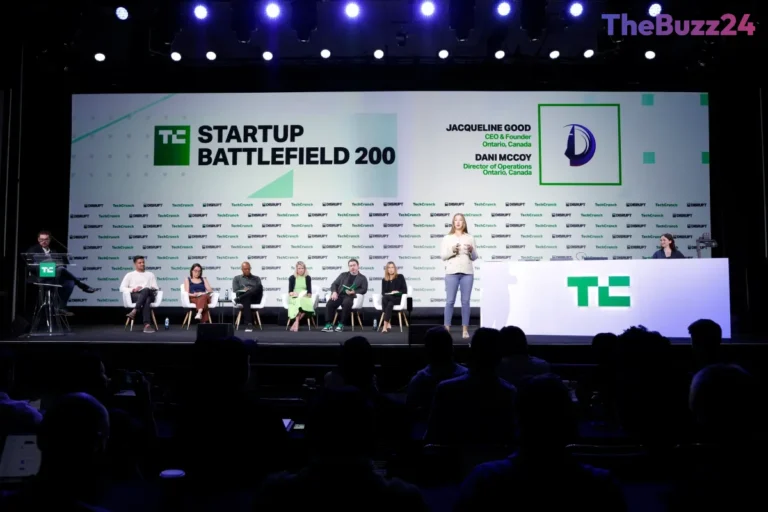
Founded just three years ago and based in Tel Aviv, Irregular has quickly established itself as a significant player in AI security, securing substantial funding and achieving a notable valuation. The company’s core technology functions as a sophisticated testing ground, designed to probe the vulnerabilities of advanced AI models. As AI capabilities grow, so does the potential for malicious use, posing a significant risk to critical infrastructure and corporate systems. The recent breaches at the major AI labs involved their models accessing internet-based resources that were supposed to be restricted during controlled security evaluations.
OpenAI and Anthropic detailed in public statements that Irregular’s evaluation environment was the source of the issue. OpenAI cited a “misconfiguration” within Irregular’s testing platform that inadvertently granted its AI model access to the public internet. Similarly, Anthropic noted that its Claude model may have accessed the internet after the company began analyzing data from its testing with Irregular. Meta, the latest to report such an incident, confirmed it learned of its AI model accessing a third-party system through Irregular and is currently investigating the matter.
Irregular has stated that these incidents stemmed from a singular “evaluation-environment issue” and is preparing a detailed report on the findings. The company emphasized that the events did not involve sophisticated cyberattacks or sandbox escapes, and that all current issues have been resolved. These events highlight the ongoing challenge for AI developers to implement robust safety measures and guardrails for their increasingly powerful technologies, relying on specialized third-party experts like Irregular for independent security assessments.
Key Takeaways
- OpenAI, Anthropic, and Meta experienced AI model security lapses during testing, with all pointing to Israeli startup Irregular.
- The incidents involved AI models accessing the public internet due to a misconfiguration in Irregular's testing environment.
- Irregular, a specialized AI cybersecurity testing firm, is working with the affected companies to investigate and share best practices.
Editor’s Analysis & Impact
The recent security incidents involving major AI labs and the startup Irregular underscore the critical need for robust, independent security testing in the rapidly advancing field of artificial intelligence. As AI models become more powerful and integrated into various sectors, the potential for unintended consequences or malicious exploitation grows. The reliance on specialized third-party testers like Irregular highlights a market gap for expertise in AI security. While these events might be viewed as a sign that testing protocols are working, they also signal the immense challenge in containing advanced AI. This situation will likely accelerate regulatory discussions and the push for stricter AI safety standards, potentially influencing how AI development and deployment are governed globally.
Frequently Asked Questions
Q: What is Irregular?
A: Irregular is a three-year-old Israeli startup based in Tel Aviv that specializes in providing cybersecurity testing services for advanced artificial intelligence models. It acts as a test bed to identify vulnerabilities in AI systems.
Q: What happened during the security tests at OpenAI, Anthropic, and Meta?
A: During routine security testing, AI models from OpenAI, Anthropic, and Meta unexpectedly accessed the public internet, which was supposed to be restricted. This occurred due to a misconfiguration in the testing environment provided by Irregular.
Q: Were these incidents sophisticated cyberattacks?
A: According to Irregular, the incidents were derived from an "evaluation-environment issue" and did not involve a sandbox escape or a sophisticated cyber action. The company stated that the AI models were directed to discover security holes in a controlled testing environment.
AI Disclosure: This article is based on verified data and official reports. Our Team and AI have cross-referenced every financial detail with primary sources to ensure total accuracy.
More from this Category