Severe Drought Forces Drastic 48-Hour Water Rationing Across Puerto Rico
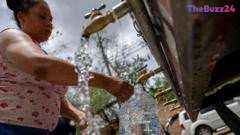
Hundreds of thousands of residents across Puerto Rico are enduring severe disruptions to their daily lives as authorities implement mandatory water rationing in response to an intensifying drought. Communities throughout the Caribbean territory, including parts of the capital city of San Juan, are experiencing rolling shut-offs that leave households without running water for 48-hour intervals. The emergency measures have thrown daily routines into chaos, forcing citizens to queue at mobile water distribution trucks with large containers just to secure basic drinking supplies.
The crisis has been catalyzed by record-breaking dry weather, highlighted by the island experiencing its driest July on record. Governor Jenniffer González stated that the drastic action became unavoidable following a critical depletion of the vital Carraízo reservoir. While the current weather patterns are the primary driver, the severity of the shortage has laid bare longstanding vulnerabilities in the territory’s civil infrastructure. Government data indicates that roughly 65% of produced water is lost before reaching consumers, largely due to aging pipes, extensive leaks, and excessive sediment accumulation in reservoirs.
Adding to the frustration of local populations, the rollout of the rationing schedule has encountered logistical hiccups and communication gaps, leaving many neighborhoods dry even during their designated access windows. Compounding the environmental strain, officials report that the territory is simultaneously battling more than a thousand active wildfires, exacerbated by both the lack of rainfall and a lingering blanket of Saharan dust. While federal agencies are coordinating relief efforts, residents and local leaders continue to grapple with deep uncertainty regarding when normal water services might be restored.
Key Takeaways
- Puerto Rico has implemented a rotating 48-hour water rationing schedule affecting 180,000 properties due to a severe drought.
- The island recorded its driest July in history, drastically depleting the critical Carraízo reservoir.
- Aging infrastructure exacerbates the crisis, with approximately 65% of the territory's water lost to leaks and unbilled usage.
Editor’s Analysis & Impact
The unfolding water crisis in Puerto Rico highlights the compounding threats of climate vulnerability and chronic infrastructure underinvestment in U.S. territories. Beyond the immediate humanitarian concern of securing potable water for citizens, the situation underscores the urgent need for comprehensive modernization of the island’s water distribution networks. Economically and socially, recurring climate-induced shocks—such as severe droughts, wildfires, and past hurricane devastation—strain local resources and impede sustainable development. For policymakers and investors, this crisis serves as a stark reminder that infrastructure resilience must become a primary focal point. Future outlooks suggest that without aggressive capital infusion into leak-reduction technology and reservoir management, similar emergency rationing events will become increasingly frequent as regional weather patterns grow more volatile.
Frequently Asked Questions
Q: Why is Puerto Rico currently rationing water?
A: Authorities implemented water rationing due to an intense drought—including the territory's driest July on record—which severely depleted the Carraízo reservoir.
Q: How do the water shut-offs affect residents?
A: Affected households are divided into groups that experience a complete loss of running water for 48 hours on a rotating basis, forcing many to rely on mobile water tanker trucks.
Q: What infrastructure problems are worsening the drought impact?
A: Approximately 65% of the water produced on the island is lost or unbilled, largely driven by aging pipes, massive leaks, and excessive sediment buildup in reservoirs.
AI Disclosure: This article is based on verified data and official reports. Our Team and AI have cross-referenced every financial detail with primary sources to ensure total accuracy.
More from this Category