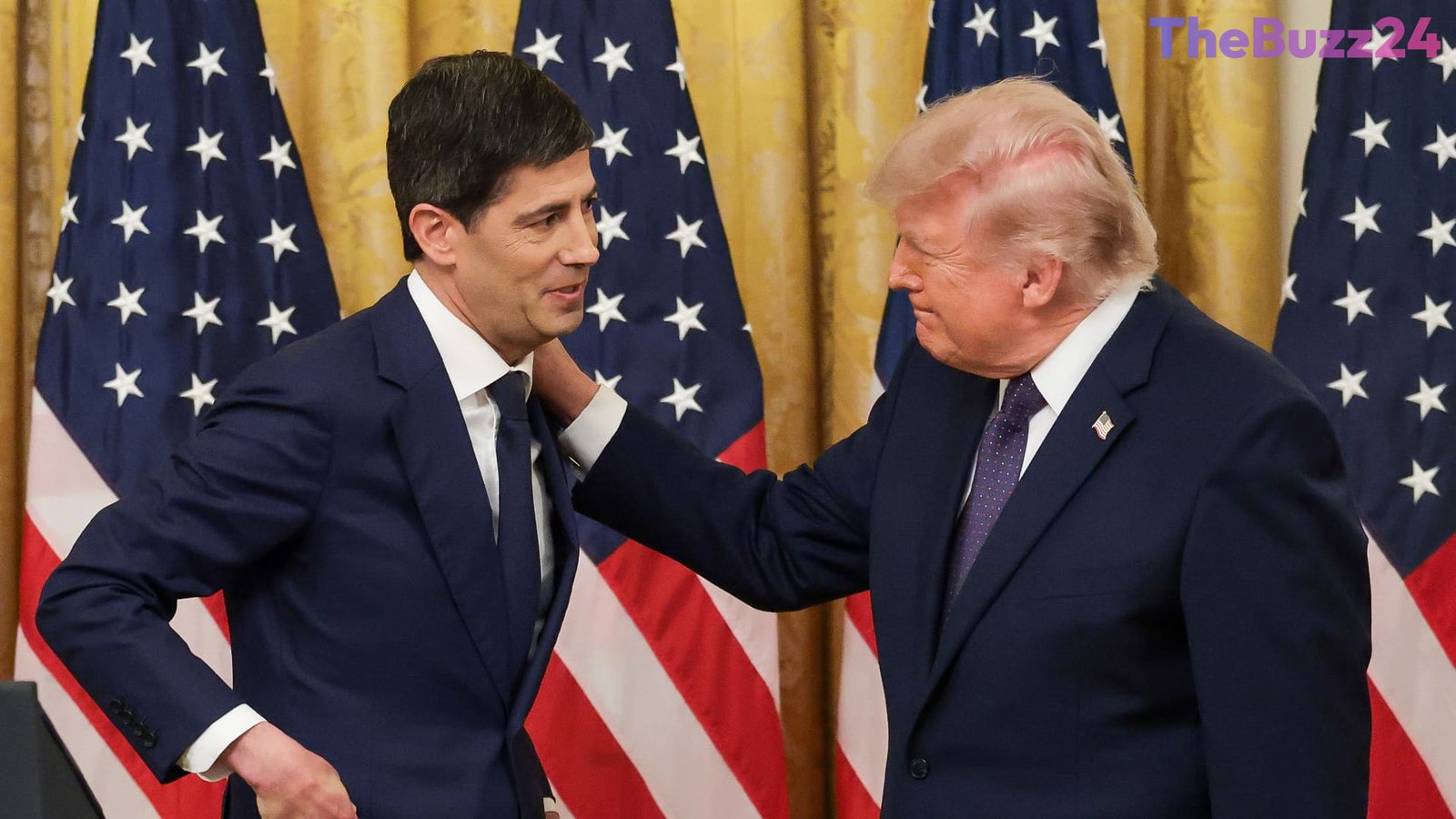
Trump Downplays Communications with Fed Chair Kevin Warsh Amid Independence Concerns
President Donald Trump has clarified the nature of his communications with Federal Reserve Chairman Kevin Warsh, stating that the two have only spoken once briefly in recent days. This statement comes in response to recent media reports suggesting that the president and the central bank chief had been in frequent contact since Warsh assumed his role in May. Trump firmly denied these claims of regular discussions, emphasizing that their interaction was a singular, brief conversation.
The clarification arrives during a period of heightened scrutiny regarding the Federal Reserve’s political independence. Historically, direct communication between the executive branch and the central bank has been kept to a minimum to prevent political influence over monetary policy. Trump has been vocal about his desire for lower interest rates, though he acknowledged that Warsh must operate within the framework of the Fed’s governing board. For his part, Warsh has maintained that while he welcomes input on interest rates from various stakeholders, including the president, all policy decisions will be made independently.
This dynamic follows a pattern of tension between Trump and the central bank. Since returning to the presidency in 2025, Trump’s direct interactions with Fed leadership have been sparse, including only one formal meeting with former Chair Jerome Powell. However, Trump has continued to exert public pressure on the institution, recently renewing efforts to remove Fed Governor Lisa Cook from her 14-year term. Observers frequently point to the 1970s relationship between President Richard Nixon and Fed Chairman Arthur Burns—which preceded a severe period of inflation—as a cautionary tale against political interference in monetary policy.
Key Takeaways
- President Trump denied reports of frequent discussions with Fed Chairman Kevin Warsh, asserting they have only spoken once briefly.
- The situation highlights ongoing concerns regarding the political independence of the Federal Reserve amid Trump's public calls for lower interest rates.
- Historically, close ties between the presidency and the Fed, such as during the Nixon administration, have raised concerns about inflation and economic stability.
Editor’s Analysis & Impact
The public clarification of contact between President Trump and Fed Chairman Kevin Warsh underscores the delicate balance of central bank independence in the modern political landscape. While Trump’s public demands for lower interest rates are well-documented, actual backchannel communications can spook financial markets, which rely on the Fed’s objective, data-driven approach to monetary policy. If investors perceive that the Fed is bowing to executive pressure, it could undermine confidence in the U.S. dollar and treasury markets. Moving forward, Warsh faces the challenging task of navigating political pressure while maintaining institutional credibility. The historical precedent of the 1970s serves as a stark reminder that compromising central bank autonomy often leads to long-term macroeconomic instability, making the boundary between the White House and the Fed a critical focal point for global investors.
Frequently Asked Questions
Q: Why is the independence of the Federal Reserve considered important?
A: Fed independence ensures that monetary policy decisions, such as setting interest rates, are based on long-term economic data rather than short-term political pressures or election cycles, which helps maintain market stability and control inflation.
Q: What did President Trump say about his relationship with Fed Chair Kevin Warsh?
A: Trump denied reports of frequent communication, stating they had only spoken once briefly, while reiterating that while he favors lower interest rates, Warsh ultimately operates with a governing board.
Q: How have past presidents interacted with the Federal Reserve?
A: Historically, presidents have maintained a respectful distance from the Fed to preserve its autonomy. However, notable exceptions, such as Richard Nixon's pressure on Arthur Burns in the 1970s, resulted in high inflation, establishing a modern precedent for keeping executive influence separate from monetary policy.
AI Disclosure: This article is based on verified data and official reports. Our Team and AI have cross-referenced every financial detail with primary sources to ensure total accuracy.
More from this Category