Massive 7.4 Magnitude Earthquake Strikes Western Colombia, Leaving Over 100 Dead
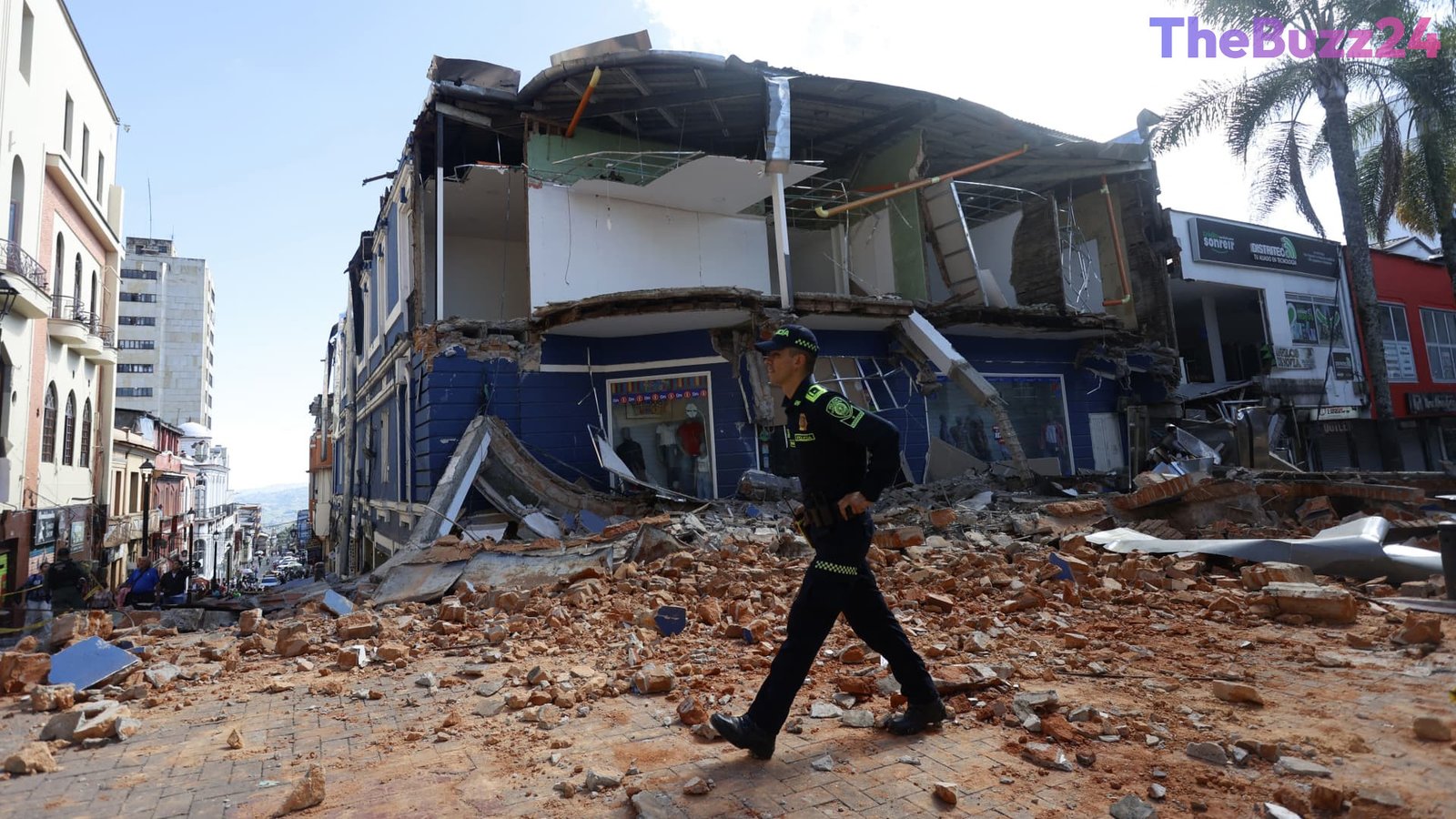
A powerful 7.4 magnitude earthquake struck western Colombia early Monday morning, resulting in the tragic deaths of at least 111 individuals and injuring dozens more. The devastating tremor caused widespread structural collapses across multiple cities, leaving numerous residents trapped beneath piles of rubble as rescue teams scrambled to locate survivors.
The disaster arrived at a critical political juncture, occurring just days after Abelardo De La Espriella assumed the presidency. This immediate catastrophe thrust the new administration into an unprecedented national crisis, recalling recent memories of major seismic events in the region, including the devastating twin earthquakes that struck neighboring Venezuela earlier in the year.
In response to the unfolding emergency, President De La Espriella declared a national state of emergency during a midday broadcast, assuring citizens that all available government resources had been mobilized to safeguard lives and distribute humanitarian aid. Officials emphasized that saving those trapped beneath collapsed structures remained the absolute highest priority.
Seismological agencies reported that the tremor struck near San Jose del Palmar in the Choco province at a depth of approximately 100 kilometers. The shockwaves were felt strongly across numerous departments and departmental capitals, prompting widespread evacuations and temporary suspensions of flight operations at several regional airports while infrastructure integrity was assessed. Despite the widespread panic and significant material damage, authorities confirmed that no tsunami threat was generated by the seismic event.
Key Takeaways
- A 7.4 magnitude earthquake struck western Colombia, resulting in at least 111 fatalities and 87 injuries.
- Newly sworn-in President Abelardo De La Espriella declared a national state of emergency to mobilize rescue and relief efforts.
- Airports across several cities temporarily suspended operations as inspectors evaluated infrastructure for structural damage.
Editor’s Analysis & Impact
The catastrophic earthquake in western Colombia presents an immediate and severe test for the newly established administration of President Abelardo De La Espriella. Beyond the immediate humanitarian tragedy and loss of life, the disaster poses significant logistical and economic challenges for the region. Critical infrastructure damage, including suspended airport operations and compromised buildings, will strain national resources and demand swift, coordinated emergency response mechanisms. In the broader regional context, this event underscores the high seismic vulnerability of northwestern South America, potentially accelerating calls for upgraded building codes, enhanced early-warning systems, and cross-border disaster preparedness frameworks. The government’s handling of this crisis will likely set the tone for the administration’s political efficacy and public trust in the coming years.
Frequently Asked Questions
Q: What was the magnitude and location of the earthquake?
A: The earthquake registered a magnitude of 7.4 and struck near San Jose del Palmar in the Choco province of Colombia.
Q: How did the government respond to the disaster?
A: President Abelardo De La Espriella declared a national state of emergency and deployed national capabilities to rescue trapped individuals and provide aid.
Q: Were there any tsunami warnings issued following the quake?
A: No, the U.S. tsunami warning system confirmed there was no tsunami threat resulting from the earthquake.
AI Disclosure: This article is based on verified data and official reports. Our Team and AI have cross-referenced every financial detail with primary sources to ensure total accuracy.
More from this Category