US Strategic Petroleum Reserve Plunges to 40-Year Low Amid Escalating Middle East Crisis
The U.S. Strategic Petroleum Reserve (SPR) has breached a critical threshold, dropping below 300 million barrels for the first time in more than four decades. Following a reduction of 6.1 million barrels last week, total emergency crude inventories stand at 298.7 million barrels—marking the lowest stock level recorded since January 1983. The rapid depletion follows an executive mandate by President Donald Trump authorizing a massive release of 172 million barrels to offset severe energy supply disruptions caused by conflict in the Strait of Hormuz.
The drawdown has intensified scrutiny over national energy security and the long-term viability of government crude stockpiles. Prior to recent military action in the Middle East, federal reserves held roughly 415 million barrels. Once the authorized releases conclude, total inventory is expected to drop to approximately 243 million barrels. Although energy officials state that the minimum volume required to safely operate the facility is around 70 million barrels, industry experts affirm that sufficient reserves remain available should further emergency releases be deemed necessary.
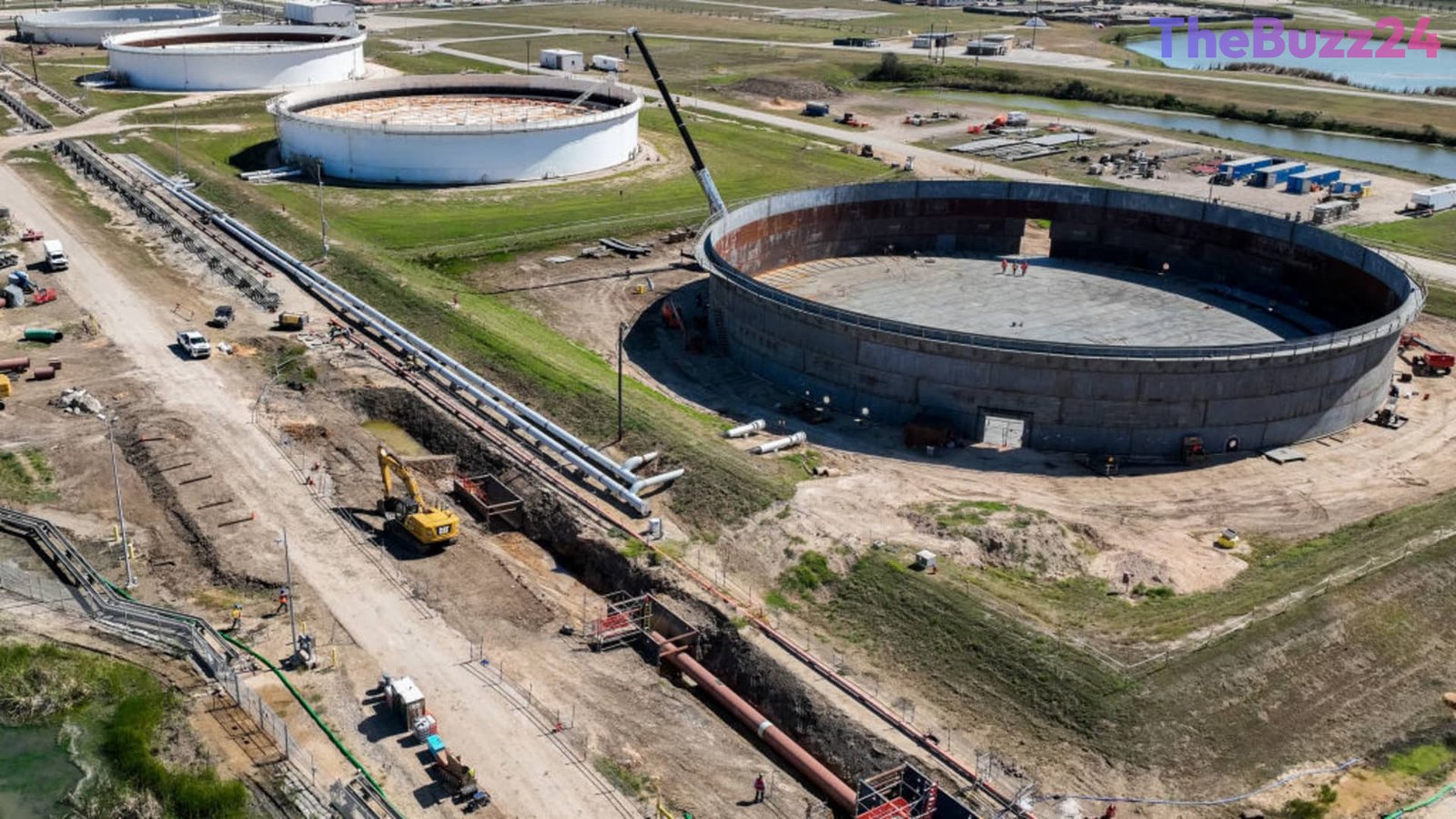
Adding to the challenge are systemic infrastructure vulnerabilities within the SPR system itself. A report by the Government Accountability Office revealed that aging hardware, structural maintenance, and cavern outages rendered over a quarter of the reserve’s storage capacity unavailable for immediate extraction late last year. Industry analysts estimate that at least 103 million barrels currently in the reserve cannot be easily drawn down due to ongoing structural degradation and required repairs.
Frequent large-scale interventions in recent years—including President Joe Biden’s record release of 180 million barrels following the outbreak of war in Ukraine—have placed operational stress on the underground salt caverns. Experts warn that using the SPR as a primary tool for market stabilization accelerates equipment deterioration, requiring increased maintenance to ensure the national stockpile remains functional during future emergencies.
Key Takeaways
- U.S. Strategic Petroleum Reserve inventories have fallen to 298.7 million barrels, the lowest level recorded since 1983.
- The decline stems from a 172 million barrel emergency release ordered to counteract supply interruptions through the Strait of Hormuz.
- Aging infrastructure and facility outages have rendered over 100 million barrels of stored crude temporarily inaccessible.
Editor’s Analysis & Impact
The rapid drawdown of the Strategic Petroleum Reserve underlines a escalating tension between immediate market stabilization and long-term energy security. Successive emergency deployments across different administrations have reduced reserves to levels not seen in over forty years, diminishing the buffer available against potential severe future disruptions. Compounding the issue is the physical degradation of the reserve’s subterranean salt caverns and pumping systems, which have been strained by unprecedented operational stress. Moving forward, policymakers face a complex task: managing global supply shocks while funding substantial infrastructure restoration and rebuilding federal oil inventories.
Frequently Asked Questions
Q: Why did the U.S. Strategic Petroleum Reserve drop below 300 million barrels?
A: The decline was driven by large-scale emergency crude releases aimed at counteracting severe international supply disruptions caused by conflict in the Middle East.
Q: What is the minimum oil volume needed to operate the SPR?
A: Energy officials indicate that approximately 70 million barrels are necessary to maintain the fundamental baseline operations of the emergency reserve system.
Q: How do large drawdowns affect the physical SPR facilities?
A: Repeated heavy drawdowns accelerate mechanical wear and tear on pumps, wells, and underground salt caverns, requiring maintenance that can temporarily limit drawdown capacity.
AI Disclosure: This article is based on verified data and official reports. Our Team and AI have cross-referenced every financial detail with primary sources to ensure total accuracy.
More from this Category