Strait of Hormuz Deadlock Deepens as US and Iran Swap Demands for Reparations
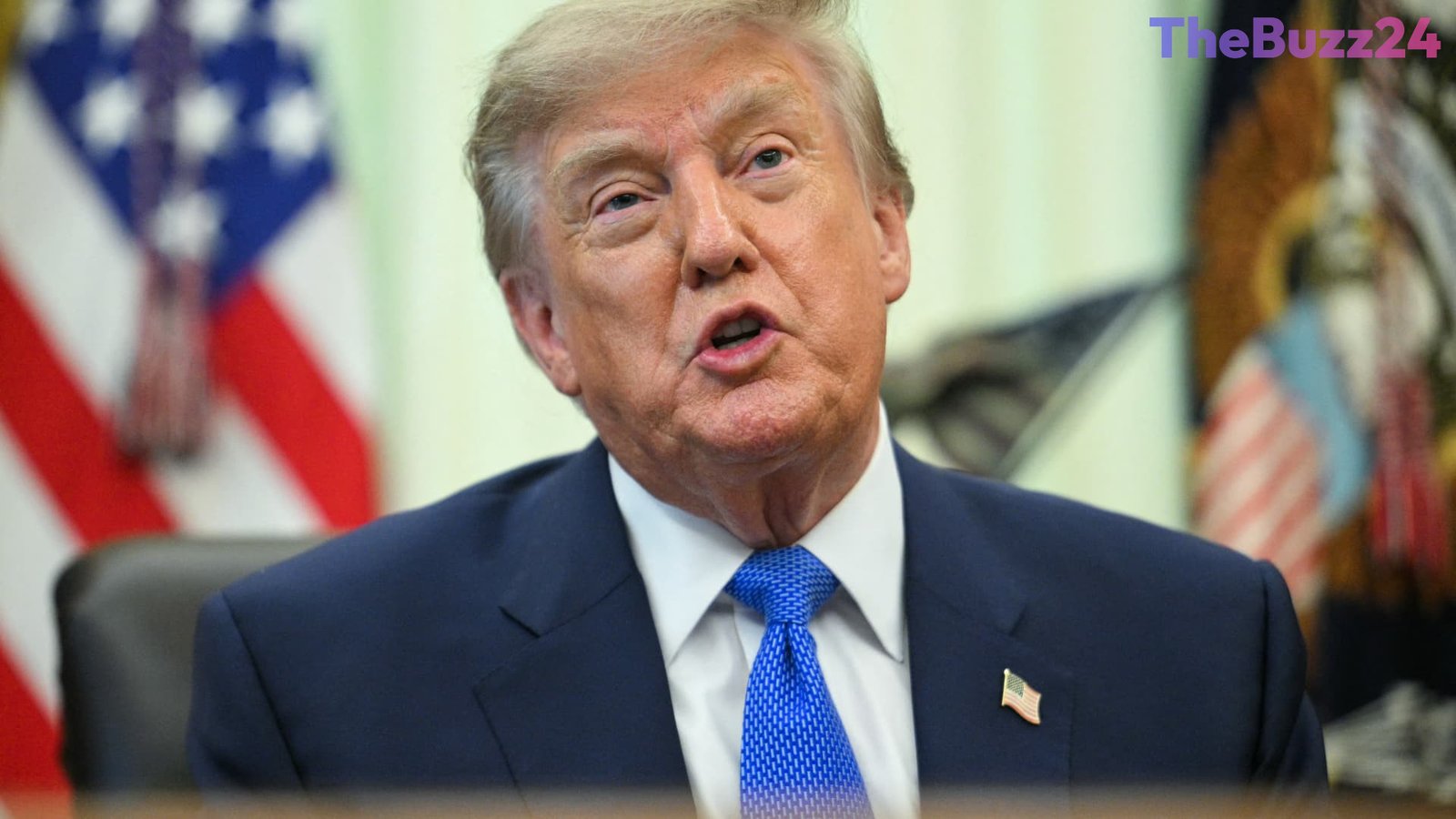
Diplomatic prospects for stabilizing international shipping through the Strait of Hormuz have dimmed significantly as Washington and Tehran traded opposing demands for billions in financial compensation. President Donald Trump announced that the United States is seeking reparations from Iran to cover damages spanning five decades, citing compensation for military personnel killed or wounded in Middle Eastern conflicts as well as victims of domestic unrest. The declaration comes in response to Iran’s explicit demand for U.S. war reparations, an end to economic sanctions, and the complete withdrawal of American forces from the region as conditions for restoring normal maritime access.
Global energy markets reacted immediately to the geopolitical stalemate, with Brent crude futures rising 2.5% to near $90 per barrel and West Texas Intermediate futures jumping nearly 3%. Although Washington asserts that naval forces have cleared mines and established military control over the waterway, maritime security organizations continue to report tense encounters between armed forces and commercial vessels near the Gulf of Oman. Commercial tanker traffic through the strategic conduit—which historically carried approximately one-fifth of the world’s crude oil—remains heavily subdued.
Tehran has rejected American leverage, characterizing Washington’s heavy reliance on economic sanctions as a counterproductive pattern while maintaining that the Strait of Hormuz will not fully reopen while under an American naval blockade. Meanwhile, Washington appears content to let mounting economic distress impact Iran rather than launching fresh military strikes. The resulting impasse leaves U.S. naval forces maintaining a permanent regional presence to safeguard access, while Iran views that very presence as the primary barrier to normalizing maritime trade.
Key Takeaways
- President Donald Trump has demanded reparations from Iran for damages spanning 50 years, responding directly to Tehran's own preconditions for maritime access.
- Crude oil prices surged nearly 3% as shipping traffic through the crucial Strait of Hormuz remains heavily constrained by naval blockades and security risks.
- Iran maintains that it will not fully reopen the waterway until the U.S. lifts sanctions, releases frozen assets, and withdraws military forces from the region.
Editor’s Analysis & Impact
The escalating economic and geopolitical standoff between Washington and Tehran poses persistent risks to global energy security and supply chain stability. Because the Strait of Hormuz serves as a primary transit hub for approximately 20 percent of global petroleum supplies, ongoing shipping disruptions inevitably sustain a higher risk premium on international crude benchmark prices. While direct full-scale war remains unlikely as both nations lean heavily into economic pressure and naval deterrence, the operational environment for maritime commerce will stay fragile. Global markets should anticipate ongoing volatility in energy sectors until diplomatic mechanisms can bypass non-negotiable preconditions on both sides.
Frequently Asked Questions
Q: Why are oil prices rising due to events in the Strait of Hormuz?
A: The Strait of Hormuz is a vital energy choke point through which nearly a fifth of global petroleum supply flows. Conflict, naval blockades, and security incidents disrupt tanker traffic, creating supply uncertainty that drives up international crude prices.
Q: What conditions has Iran demanded to reopen the Strait of Hormuz?
A: Iran's leadership has stated that the waterway will remain closed until the United States lifts its naval blockade and sanctions, withdraws military forces from the region, unfreezes Iranian assets, and pays war reparations.
Q: Is the U.S. planning immediate new military strikes against Iran?
A: U.S. strategy currently signals a reliance on sustained economic pressure and naval presence to influence Tehran rather than launching fresh military offensive operations.
AI Disclosure: This article is based on verified data and official reports. Our Team and AI have cross-referenced every financial detail with primary sources to ensure total accuracy.
More from this Category