China’s Auto Market Accelerates Towards Electric Future Amidst Fierce Competition
China’s intensely competitive automotive market is increasingly defined by the surging dominance of electric-powered vehicles, with domestic brands and Tesla leading the charge. Recent market analysis reveals a significant shift in consumer preferences, as new energy vehicles (NEVs) now account for a substantial majority of new passenger car sales, reshaping the landscape for both local and international manufacturers.
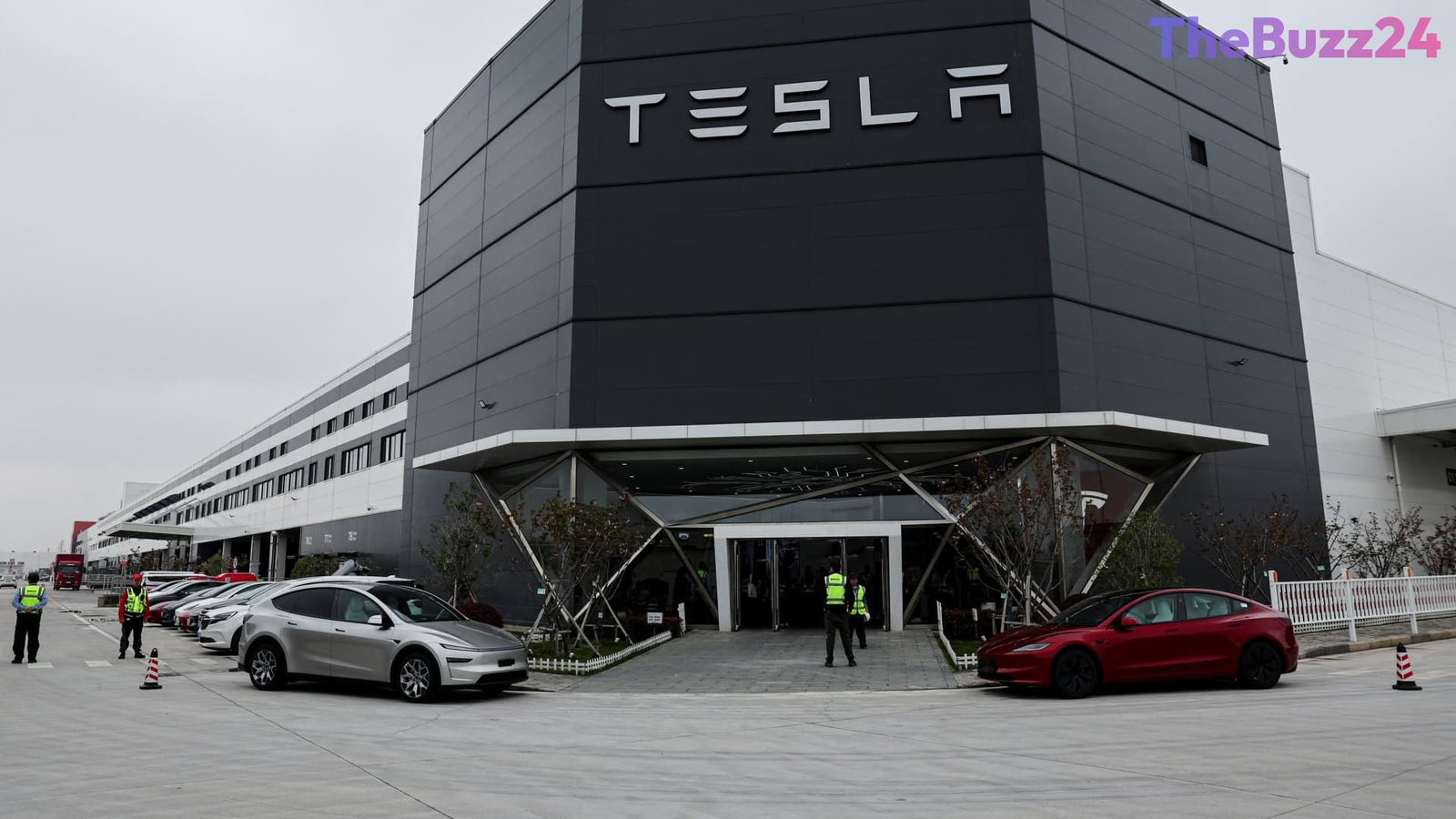
Among the top performers, Geely has emerged as a formidable force, with its Xingyuan electric hatchback claiming the top spot as the bestseller in recent months, selling nearly 197,500 units. Priced affordably, the Xingyuan underscores Geely’s growing influence, positioning the Hangzhou-based company as a close rival to industry giants like BYD in overall sales volume. Tesla also maintained a strong presence, with its Model Y electric SUV securing the second position, selling over 180,000 units despite its higher price point, outperforming other popular models from Li Auto and Xiaomi.
While BYD remains a major player, its individual models showed mixed results in the fiercely contested market. The company saw three of its models make the top 10 list, but its most popular offering, the Yuan UP SUV, ranked fifth with nearly 97,700 units sold. This performance comes as BYD reported a more than 10% drop in its passenger car sales during the first half of the year. In a market largely dominated by electric vehicles, Volkswagen stood out as the sole traditional foreign automaker to secure a spot in the top 10, with its gasoline-powered Lavida compact sedan ranking ninth.
The broader trend underscores the rapid electrification of China’s automotive sector. New energy vehicles, encompassing both battery-electric and hybrid models, constituted an impressive 65.1% of new passenger cars sold in July, a significant increase from 54% a year prior. However, this growth in market share for NEVs occurred within a challenging overall market. Industry data indicates that while NEVs gained ground, their sales for the year through July still experienced a 12.5% decline, mirroring a larger 20.3% tumble in overall passenger car sales during the same period.
Key Takeaways
- Electric vehicles (NEVs) now constitute a significant majority of new passenger car sales in China, reaching over 65% in July.
- Chinese brands like Geely are leading the market in terms of individual model sales, with Tesla's Model Y also performing strongly, while BYD's individual models show mixed results despite its overall market presence.
- Despite EV dominance in new sales, the broader Chinese passenger car market, including NEVs, experienced a notable decline in overall sales volume year-to-date.
Editor’s Analysis & Impact
The Chinese automotive market is undergoing a profound transformation, with electric vehicles rapidly becoming the dominant force. This shift signifies not just a change in consumer preference but a fundamental restructuring of the industry, where domestic brands like Geely and global EV leader Tesla are setting new benchmarks for sales and innovation. The struggle of traditional foreign automakers, with Volkswagen being a notable exception, highlights the urgent need for accelerated EV strategies to remain competitive. The intense competition is likely to drive further technological advancements and potentially lead to more aggressive pricing strategies, benefiting consumers but challenging manufacturers’ margins. China’s leadership in EV adoption has broader implications for global supply chains, energy policies, and the worldwide transition to sustainable transportation, solidifying its position as a critical hub for automotive innovation and production.
Frequently Asked Questions
Q: Which car models are currently the bestsellers in China's EV market?
A: Geely's Xingyuan electric hatchback was the top seller, followed closely by Tesla's Model Y SUV.
Q: How are traditional foreign automakers performing in China's EV-dominated market?
A: Most traditional foreign automakers are struggling to compete, with Volkswagen's gasoline-powered Lavida being a rare exception to make the top 10 list.
Q: What is the overall trend for car sales in China this year?
A: While new energy vehicles are dominating new sales, the overall passenger car market, including NEVs, has seen a significant decline in sales volume year-to-date.
AI Disclosure: This article is based on verified data and official reports. Our Team and AI have cross-referenced every financial detail with primary sources to ensure total accuracy.
More from this Category