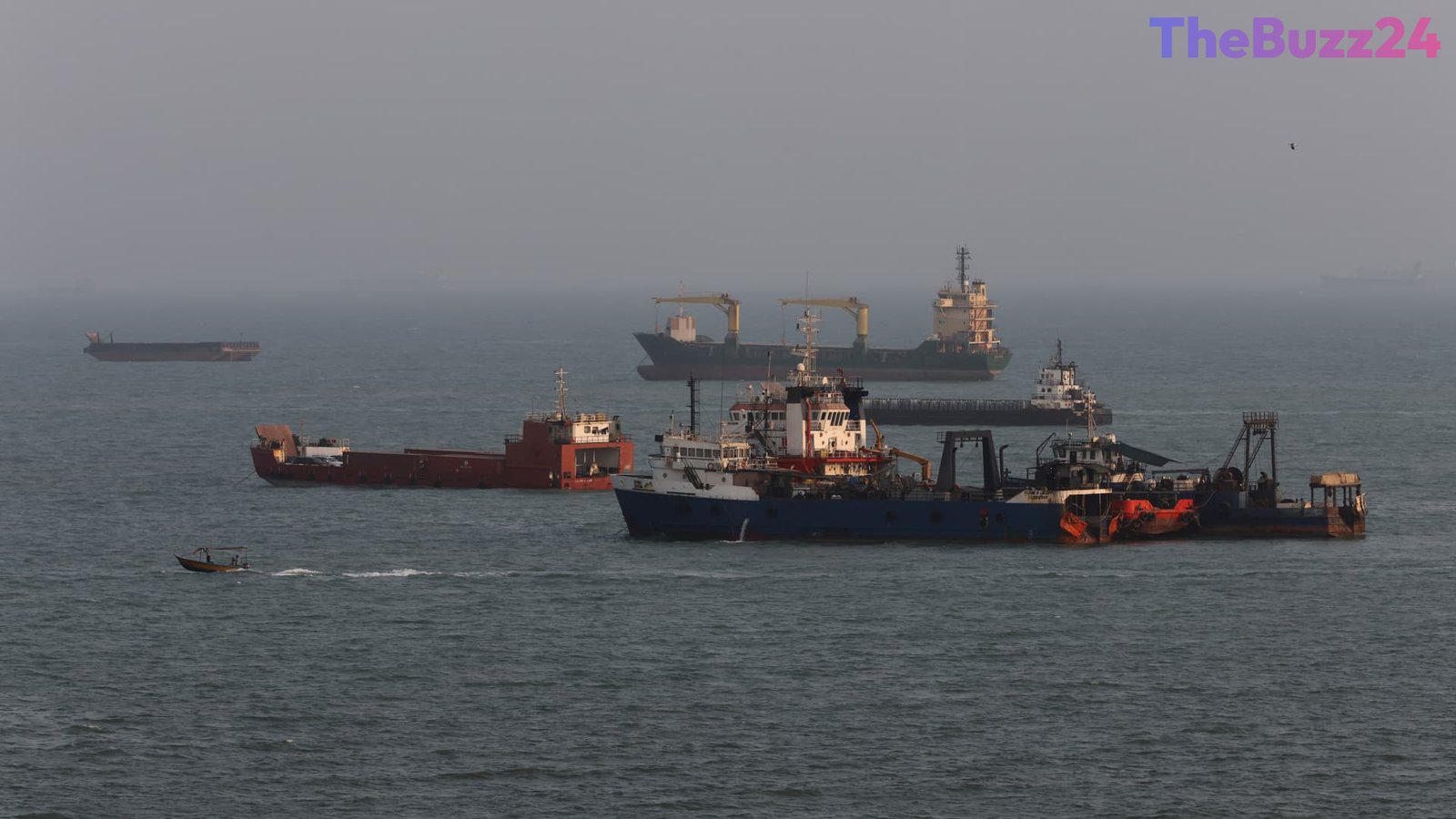
Strait of Hormuz Remains Blocked Amid Escalating US-Iran Tensions, Traffic Plummets
The critical Strait of Hormuz remains a flashpoint in the ongoing geopolitical standoff between the United States and Iran, with both nations offering starkly contradictory accounts of its status. Iranian authorities maintain that the vital waterway is blocked and will not be reopened until their conditions are met, directly refuting claims by U.S. President Donald Trump that the U.S. holds “total control” over the strait.
This diplomatic impasse is further complicated by stalled efforts to revive an interim peace agreement. Sources close to the Iranian government indicate that no progress has been made on discussions for the U.S. to rejoin the agreement and define a timeline for its commitments. Both Washington and Tehran have accused each other of violating the terms of their initial understanding, with President Trump previously declaring the deal “over.” The region has seen continued military activity, including U.S. strikes on Iranian targets and reported attacks on commercial vessels in the Gulf of Oman and the Red Sea.
Iran’s Persian Gulf Strait Authority reiterated its stance, stating that U.S. officials’ claims of the strait being unblocked do not align with reality. Iranian Foreign Minister Seyed Abbas Araghchi criticized U.S. intelligence, suggesting a fundamental miscalculation regarding Iran and the Strait of Hormuz. Meanwhile, a top advisor to Iran’s Islamic Revolutionary Guard Corps, Mohammad Reza Naqdi, asserted that the U.S. military is weaker than perceived and that Iran’s strategy aims for deterrence through prolonged conflict and attrition.
Amid these escalating tensions and conflicting narratives, data from trade intelligence firms reveal a tangible impact on maritime activity. Ship traffic through the Strait of Hormuz has plummeted to near three-month lows, with vessel transits significantly reduced compared to pre-conflict averages. Both nations have hardened their negotiating positions, with Iran outlining sweeping demands for reopening the strait, including an end to the U.S. naval blockade, sanctions relief, American troop withdrawals, and war reparations.
Key Takeaways
- Iran asserts the Strait of Hormuz remains blocked and will not reopen until its conditions, including sanctions relief and U.S. troop withdrawals, are met.
- The U.S. and Iran offer conflicting accounts of control over the Strait, with President Trump claiming 'total control' while Iran disputes this.
- Diplomatic efforts to revive an interim peace agreement have stalled, and shipping traffic through the critical waterway has significantly decreased amid heightened regional tensions.
Editor’s Analysis & Impact
The ongoing dispute over the Strait of Hormuz carries significant implications for global energy markets and international trade. As a choke point for a substantial portion of the world’s oil supply, any prolonged disruption or escalation of tensions directly impacts crude oil prices and shipping insurance costs, potentially leading to supply chain instability. The current stalemate, characterized by conflicting claims and stalled diplomatic efforts, suggests a high degree of volatility will persist in the region. The broader implication is a continued challenge to global energy security and maritime freedom, forcing international stakeholders to reassess risk and potentially seek alternative, albeit more costly, shipping routes. A resolution appears distant, with both sides entrenched in their demands, portending a prolonged period of geopolitical uncertainty.
Frequently Asked Questions
Q: What is the Strait of Hormuz and why is it important?
A: The Strait of Hormuz is a narrow, strategically vital waterway connecting the Persian Gulf to the Arabian Sea and the open ocean. It is crucial for global energy markets as approximately one-fifth of the world's oil supply, along with significant volumes of liquefied natural gas, passes through it daily, making it a critical choke point for international trade.
Q: What are Iran's conditions for reopening the Strait of Hormuz?
A: Iran has laid out several sweeping demands for reopening the Strait of Hormuz. These include an end to the U.S. naval blockade, comprehensive sanctions relief, the withdrawal of American troops from the region, and war reparations from the United States.
Q: How has the conflict impacted shipping traffic in the Strait?
A: Amid the heightened tensions and conflicting claims, data indicates that ship traffic through the Strait of Hormuz has significantly decreased. Vessel transits have fallen to near three-month lows, representing a substantial reduction compared to the daily average before the current escalation of the conflict.
AI Disclosure: This article is based on verified data and official reports. Our Team and AI have cross-referenced every financial detail with primary sources to ensure total accuracy.
More from this Category