U.S. Escalates Economic Pressure on Iran as Naval Operations Continue in Hormuz Strait
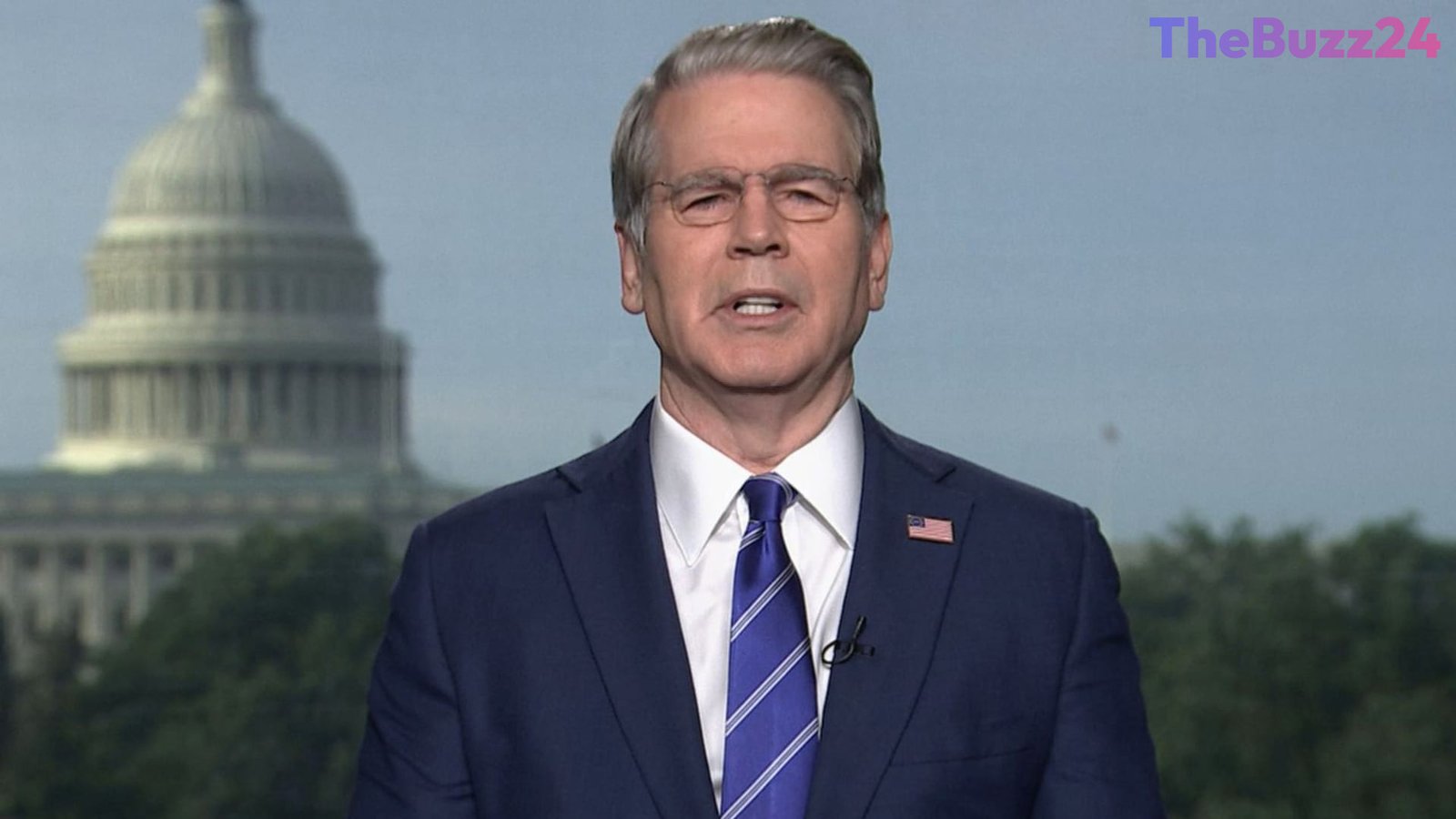
The United States administration is preparing to implement unprecedented economic measures against Iran, signaling a significant intensification of its current strategy. Treasury Secretary Scott Bessent indicated that the upcoming actions will focus on total economic isolation, effectively severing Iran’s ability to conduct trade through its ports. This economic strategy is designed to complement the ongoing naval blockade in the Strait of Hormuz, which remains a critical focal point of the current conflict.
President Donald Trump has further heightened tensions by suggesting that the United States may assert territorial control over the Strait of Hormuz following the conclusion of the conflict. While the administration has previously explored the idea of imposing tolls on the waterway, the current focus remains on maintaining a sustained naval presence. Defense Secretary Pete Hegseth confirmed that the U.S. military is prepared to maintain this blockade indefinitely, ensuring that naval assets are rotated regularly to sustain operational capacity.
Amid these strategic maneuvers, the U.S. Navy is moving to replace the USS Abraham Lincoln with the USS George Washington. The Lincoln has been deployed in the Middle East for over 250 days, leading to public scrutiny regarding the welfare of its crew. While Defense Secretary Hegseth dismissed reports of poor living conditions and low morale as misrepresentations, lawmakers have formally requested an investigation into allegations of supply shortages, infrastructure failures, and extreme crew fatigue. Meanwhile, military officials have categorically denied reports of violent internal clashes or fatalities aboard the vessel.
Key Takeaways
- The U.S. Treasury is planning unprecedented economic isolation measures against Iran to complement the existing naval blockade.
- The USS George Washington is being deployed to relieve the USS Abraham Lincoln, which has faced significant scrutiny regarding crew conditions.
- President Trump has suggested potential long-term U.S. control over the Strait of Hormuz, marking a shift in the administration's strategic rhetoric.
Editor’s Analysis & Impact
The administration’s dual-track approach of extreme economic isolation and indefinite naval blockade represents a high-stakes escalation in the Middle East. By signaling a potential shift in the status of the Strait of Hormuz, the U.S. is challenging long-standing international maritime norms, which could have lasting implications for global energy markets and shipping logistics. The internal controversy surrounding the USS Abraham Lincoln highlights the logistical strain of ‘indefinite’ deployments, suggesting that the U.S. military may face significant personnel and maintenance challenges if this operational tempo continues. Investors and global stakeholders should monitor the potential for further volatility in oil prices and the risk of diplomatic fallout as the U.S. moves toward more aggressive territorial and economic posturing.
Frequently Asked Questions
Q: What is the current status of the USS Abraham Lincoln?
A: The USS Abraham Lincoln is being relieved by the USS George Washington after a deployment exceeding 250 days, amid reports of crew fatigue and poor living conditions that the Pentagon has officially denied.
Q: What are the new economic measures planned for Iran?
A: Treasury Secretary Scott Bessent has described the upcoming measures as a level of economic isolation never seen before, aimed at preventing any trade from entering or exiting Iranian ports.
AI Disclosure: This article is based on verified data and official reports. Our Team and AI have cross-referenced every financial detail with primary sources to ensure total accuracy.
More from this Category