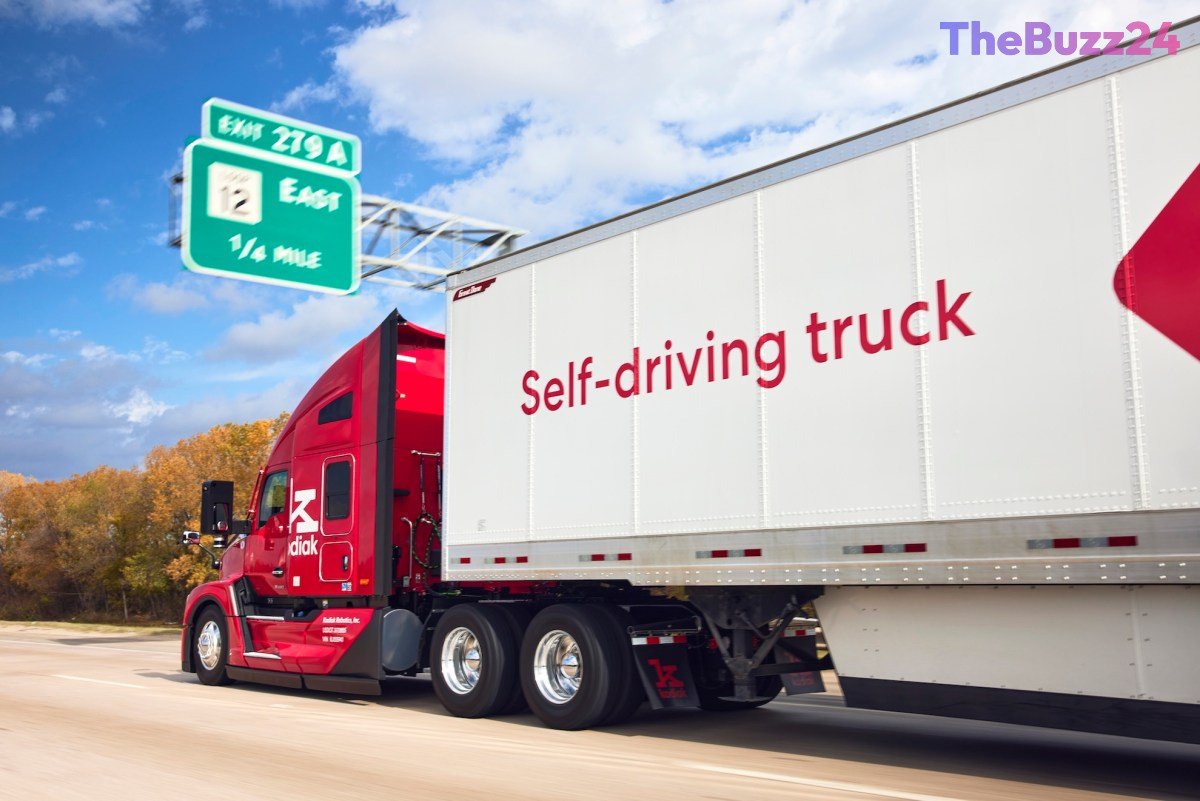
California Opens Highways to Autonomous Heavy-Duty Truck Testing
California has officially entered a new era of logistics technology as the Department of Motor Vehicles (DMV) begins issuing permits for the testing of autonomous heavy-duty trucks on public highways. Aurora Innovation and Kodiak AI are the first companies to secure these authorizations, marking a significant shift in the state’s regulatory landscape. Previously, California maintained a strict ban on driverless vehicles exceeding 10,000 pounds, forcing local developers to conduct their primary testing operations in states like Texas.
The new regulatory framework, which took effect in late April, establishes a clear path for the testing and eventual commercial deployment of autonomous freight technology. To qualify for these permits, companies must adhere to rigorous safety standards, including mandatory insurance coverage, strict vehicle registration protocols, and the requirement that a human safety operator remains behind the wheel at all times. Furthermore, the DMV has implemented operational restrictions, such as prohibiting these vehicles from navigating roads with speed limits of 25 miles per hour or less, except when traveling on designated direct routes.
While the industry views this as a milestone for innovation, the move has sparked immediate legal pushback. The Teamsters California union has filed a lawsuit against the DMV in Alameda County Superior Court, contending that the agency bypassed necessary legislative requirements. The lawsuit alleges that the state failed to conduct adequate public studies regarding the potential economic displacement of human drivers and did not sufficiently address the safety risks posed to the general public by large autonomous vehicles sharing the road.
Despite the ongoing legal challenges, both Aurora and Kodiak have begun integrating their California-based testing into their broader operational strategies. Having already established successful autonomous routes in Texas, these companies are now leveraging their home-state presence to accelerate the development of their self-driving systems. The expansion into California highways represents a critical step toward the long-term goal of scaling autonomous freight networks across the United States.
Key Takeaways
- California has lifted its long-standing ban on testing autonomous trucks weighing over 10,000 pounds on public roads.
- Aurora Innovation and Kodiak AI are the first companies to receive state permits, though they must maintain a human safety operator in the vehicle.
- The Teamsters California union has sued the DMV, citing concerns over economic impact and public safety risks.
Editor’s Analysis & Impact
The authorization of autonomous heavy-duty truck testing in California signals a pivotal maturation phase for the logistics industry. By allowing testing in a state with complex traffic patterns and stringent regulatory oversight, the DMV is effectively stress-testing the technology in environments far more challenging than the rural corridors of Texas. However, the legal friction with labor unions highlights a broader societal tension: the conflict between rapid technological advancement and the preservation of traditional labor markets. The outcome of the Teamsters’ lawsuit will likely set a national precedent for how states balance innovation with public safety and economic protectionism. Moving forward, the industry must not only prove the technical reliability of these systems but also navigate the political and social hurdles of workforce transition to ensure long-term viability.
Frequently Asked Questions
Q: Are these trucks completely driverless?
A: No. Under the current DMV permits, all autonomous trucks testing on California public roads must have a human safety operator behind the wheel to intervene if necessary.
Q: Why were these companies previously testing in Texas?
A: Aurora and Kodiak are California-based, but they moved their testing operations to Texas because California previously had a strict ban on testing autonomous vehicles weighing over 10,000 pounds.
AI Disclosure: This article is based on verified data and official reports. Our Team and AI have cross-referenced every financial detail with primary sources to ensure total accuracy.
More from this Category