Cannabis Reform Takes Center Stage as Midterm Elections Approach
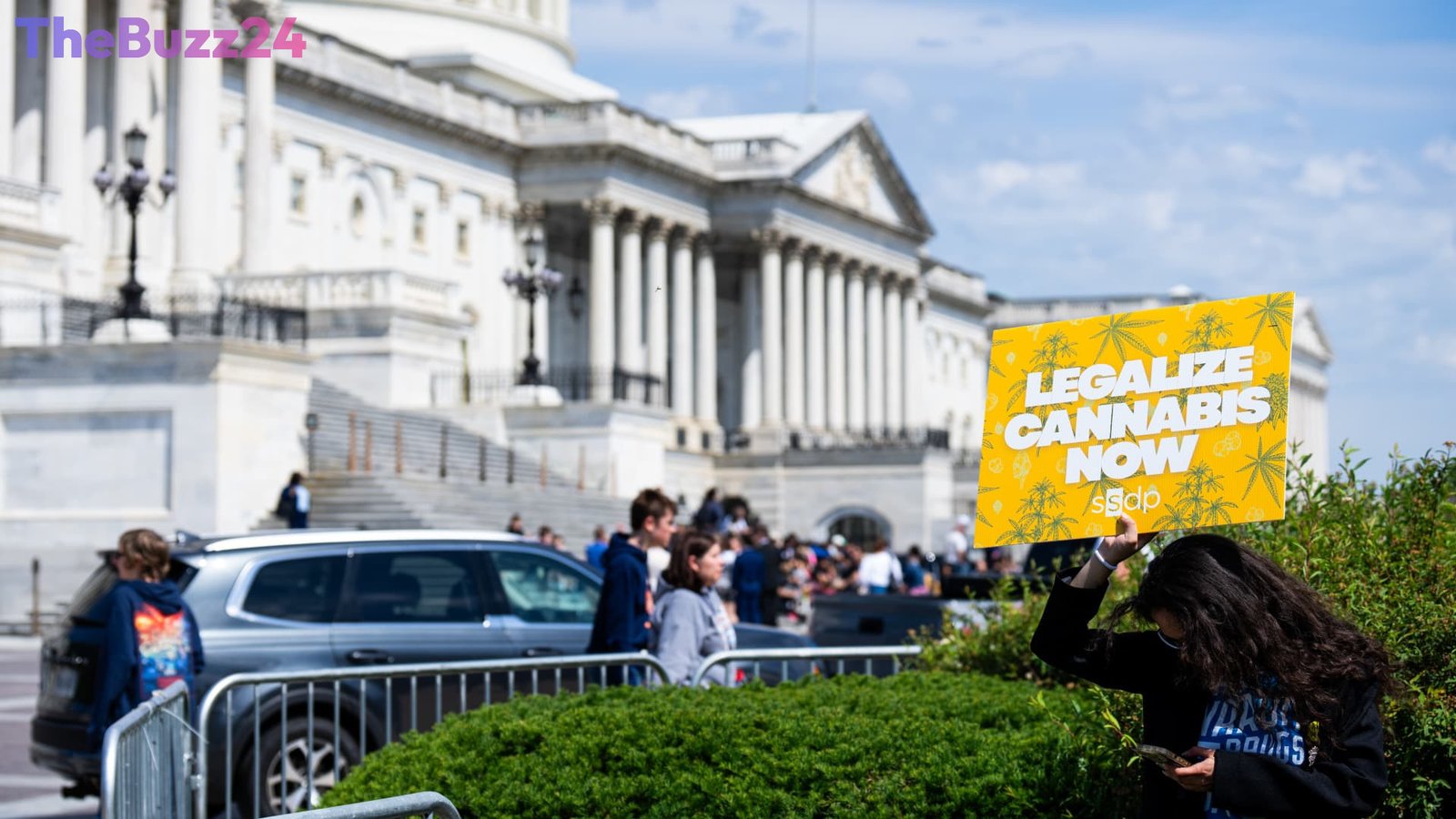
As the crucial midterm elections loom, the issue of cannabis reform is increasingly becoming a focal point for voters and political candidates across the United States. Ballot initiatives in states like Massachusetts and Idaho will directly address legalization, while gubernatorial races in Kansas and Iowa are featuring debates on cannabis policy. Although not as dominant as economic or immigration concerns, marijuana legalization garners significant support from both Democratic and Republican voters, though this support has seen a recent decline among Republicans.
The historical trajectory of marijuana in the U.S. has been marked by fluctuating legal and cultural acceptance. Since 1996, a majority of states and the District of Columbia have enacted laws permitting either medical or recreational marijuana use. However, at the federal level, cannabis remains classified as a Schedule I controlled substance under the 1970 Controlled Substances Act, creating a complex legal landscape.
Recent actions, such as the Trump administration’s directive to expedite the reclassification of marijuana to Schedule III, have brought the issue into sharper political focus. This move, aimed at easing research restrictions and federal tax burdens on the burgeoning legal cannabis industry, has been framed by supporters as a popular measure. While proponents see potential economic benefits, particularly through the repeal of IRS code 280E which hinders business deductions, opponents argue that such reforms are unnecessary or even detrimental.
The political maneuvering surrounding cannabis reform is evident in campaign finance and legislative efforts. Industry leaders have made substantial contributions to political action committees, while lawmakers on both sides of the aisle are navigating differing stances. Congressional Democrats have reintroduced legislation aiming for full descheduling, viewing the current rescheduling efforts as insufficient. Meanwhile, some Republican lawmakers have voiced opposition, fearing it could alienate their base. The upcoming midterms will likely test the political viability of cannabis reform as a key electoral issue.
Key Takeaways
- Cannabis reform is emerging as a significant issue in the upcoming midterm elections, with ballot initiatives and gubernatorial debates addressing legalization.
- While public support for marijuana legalization remains high, its political impact is debated, with declining Republican support and differing legislative approaches from both major parties.
- Federal rescheduling efforts aim to ease tax burdens and research restrictions on the legal cannabis industry, though full legalization remains a contentious goal.
Editor’s Analysis & Impact
The increasing prominence of cannabis reform in the political arena signals a potential shift in public and policy attitudes towards marijuana. The industry’s significant financial backing and the bipartisan, albeit divided, interest suggest that cannabis is evolving from a fringe issue to a mainstream political consideration. The tension between state-level legalization and federal prohibition continues to create a complex environment for businesses. As the midterms approach, candidates will need to carefully consider their stances, as this issue could sway a notable segment of the electorate, particularly younger voters and those in states with active reform measures. The long-term outlook suggests continued pressure for federal reform, driven by both economic interests and evolving public opinion.
Frequently Asked Questions
Q: What is Schedule III reclassification for marijuana?
A: Reclassifying marijuana to Schedule III under the Controlled Substances Act would move it from a category with no accepted medical use and high potential for abuse (Schedule I) to one with a medically accepted use and moderate to low potential for dependence. This change would ease federal research restrictions and potentially alleviate tax burdens on cannabis businesses, particularly through the repeal of IRS code 280E.
Q: How does IRS code 280E affect cannabis businesses?
A: Section 280E of the IRS tax code prohibits businesses that traffic Schedule I or II controlled substances from deducting ordinary business expenses from their gross income. For legal cannabis companies, this means they cannot deduct costs like rent, payroll, or utilities, significantly increasing their tax liability and reducing profitability.
Q: What is the difference between medical and recreational marijuana legalization?
A: Medical marijuana legalization allows for the use of cannabis for therapeutic purposes under the guidance of a healthcare professional, typically requiring a doctor's recommendation or prescription. Recreational marijuana legalization permits adults to purchase, possess, and consume cannabis for personal use, similar to alcohol or tobacco, without requiring a medical justification.
AI Disclosure: This article is based on verified data and official reports. Our Team and AI have cross-referenced every financial detail with primary sources to ensure total accuracy.
More from this Category