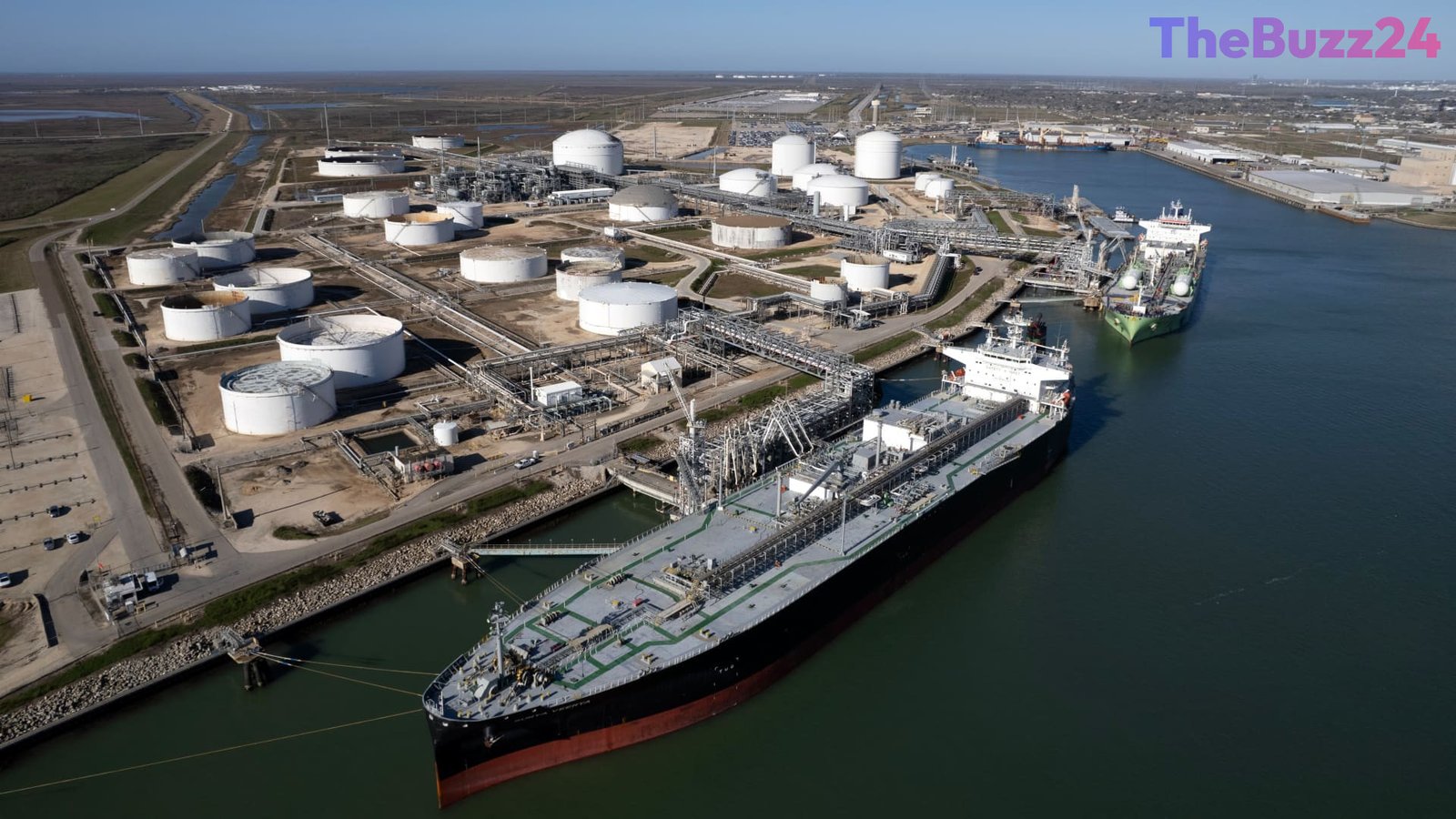
Historic Rally for Oil Refiners Faces Steep Historical Headwinds, Experts Warn
The petroleum refining sector has experienced an extraordinary surge, dramatically outpacing broader equity markets. Industry giants such as Marathon Petroleum, Valero Energy, and HF Sinclair have all posted staggering gains exceeding 80% over the past year, far outperforming the wider S&P 500. This impressive financial momentum has been heavily driven by surging crack spreads—the profit margin refiners make from turning crude oil into finished products like gasoline and diesel—which have roughly tripled since the beginning of the year.
Driving this remarkable expansion are acute geopolitical tensions that have severely disrupted global energy supply chains. Ongoing conflicts in Eastern Europe have substantially reduced Russia’s refined product output, while disruptions surrounding key shipping lanes in the Middle East have added significant risk premiums to energy commodities. These combined factors have pushed refining margins to historic highs, translating into record-shattering earnings for major operators like Phillips 66, Marathon, and Valero.
Despite the current bullish sentiment, historical data suggests caution may be warranted for investors eyeing the sector. Market tracking indicators show that the broader refining sub-industry index has reached extreme technical levels, sitting well above its standard 150-day moving average. Historically, when the index has stretched this far above its baseline, subsequent medium-term returns have skewed notably negative. Because the primary catalyst behind these inflated margins is geopolitical instability, any sudden diplomatic resolution or de-escalation could quickly deflate crack spreads and trigger a sharp downward correction in refiner stocks.
Analysts emphasize that cyclical businesses often appear deceptively cheap at the peak of their earnings cycle due to low trailing price-to-earnings multiples. However, assuming that these unprecedented margins will persist indefinitely ignores the fundamental mean-reverting nature of commodity markets. As high prices eventually encourage demand destruction and supply chains eventually stabilize, current valuations may prove unsustainable, prompting recommendations for investors to consider locking in profits or exploring defensive positioning.
Key Takeaways
- Major refiners like Marathon, Valero, and HF Sinclair have surged over 80% amid soaring profit margins.
- The massive rally is primarily fueled by geopolitical disruptions, including conflicts in Eastern Europe and the Middle East.
- Historical indicators suggest that extreme moves above the 150-day moving average are typically followed by negative medium-term returns.
Editor’s Analysis & Impact
The current parabolic move in oil refining stocks highlights the classic dilemma of cyclical commodity investing. While headline earnings look exceptionally robust and trailing P/E multiples appear artificially compressed, the underlying driver—geopolitical risk premium—is inherently unstable. Markets are pricing in perpetual disruption, which historically creates a false sense of permanence. If diplomatic breakthroughs occur in key supply regions, the contraction in crack spreads could be swift and severe. For institutional and retail investors alike, the risk-reward ratio at these elevated levels strongly favors defensive positioning, profit-taking, or asymmetric bearish structures to capture the inevitable mean reversion.
Frequently Asked Questions
Q: What is a crack spread in the oil refining industry?
A: A crack spread refers to the differential between the price of crude oil and the petroleum products extracted from it, such as gasoline and heating oil. It serves as a primary indicator of a refiner's profit margin.
Q: Why have refining margins surged recently?
A: Margins have spiked due to significant geopolitical tensions, notably conflicts affecting Russian production output and vital Middle Eastern shipping routes, which created tight supply conditions for refined products globally.
Q: What does historical data suggest for refiner stocks after reaching extreme technical levels?
A: Historically, when the refining index has traded substantially above its 150-day moving average, subsequent six-month forward returns have predominantly been negative, indicating a strong tendency for mean reversion.
AI Disclosure: This article is based on verified data and official reports. Our Team and AI have cross-referenced every financial detail with primary sources to ensure total accuracy.
More from this Category