Strait of Hormuz Crisis Deepens as Trump Threatens Oman and Peace Talks Stall
Tensions in the Middle East have escalated significantly following the expiration of a critical 60-day diplomatic window without a breakthrough between Washington and Tehran. The deadlock intensified after a cargo vessel was struck by a projectile while transiting the vital Strait of Hormuz, resulting in structural damage to the engine room and a crew casualty. The ongoing maritime security risks highlight the precarious state of global shipping lanes as military postures harden on both sides.
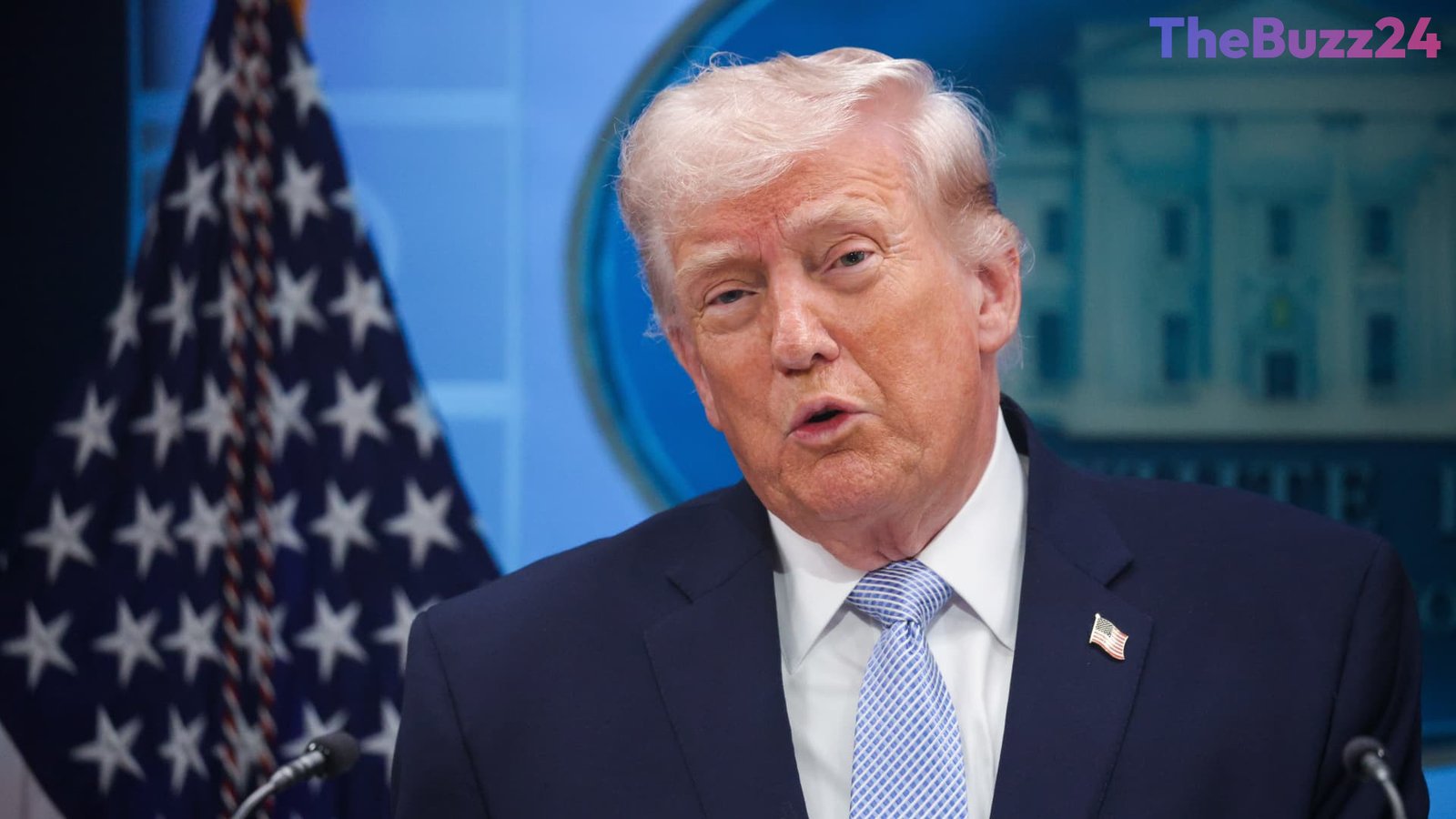
U.S. President Donald Trump recently ruled out any immediate extension of the ceasefire, asserting that Iran is unwilling to accept the comprehensive terms required to bring a lasting end to the conflict. Compounding the regional friction, the White House issued a stark warning directed at Oman, suggesting potential military action if the Gulf nation interferes with U.S.-led efforts to manage the reopening of the strategic waterway. Oman has been actively engaging in separate talks with Tehran to establish alternative maritime arrangements, a diplomatic track that has clearly tested Washington’s patience.
Foreign policy experts and former diplomats suggest that the sharp rhetoric toward Muscat is largely designed to capture attention and signal intense administration frustration rather than foreshadowing an actual military strike on an established regional ally. Nevertheless, the breakdown in synchronized negotiations points toward a prolonged standoff. Analysts note that while global supply chains have managed to partially adapt through alternative routes—keeping oil prices from surging past critical thresholds—the Strait of Hormuz remains a dangerous flashpoint with sporadic attacks keeping commercial traffic near a standstill.
Key Takeaways
- A cargo vessel was struck by a projectile in the Strait of Hormuz, causing a crew casualty and engine room damage.
- President Donald Trump ruled out extending the ceasefire with Iran and issued a sharp warning to Oman over its parallel diplomatic efforts.
- Global oil prices climbed as the 60-day negotiation window closed without a formal peace agreement or the reopening of the vital shipping lane.
Editor’s Analysis & Impact
The prolonged closure of the Strait of Hormuz represents a structural challenge for global energy markets, though early adaptation by shippers and successful crude rerouting have prevented a catastrophic oil price shock. However, the diplomatic breakdown between the U.S. and Iran—compounded by friction with regional intermediaries like Oman—indicates that simmering hostilities will persist through the end of the year. Markets should price in a prolonged ‘higher-for-longer’ risk premium on maritime logistics in the region. The inability to secure a comprehensive reopening of the strait means supply chains will remain vulnerable to localized escalations, keeping geopolitical volatility at the forefront of macroeconomic forecasts.
Frequently Asked Questions
Q: Why is the Strait of Hormuz so critical to global trade?
A: Before the current conflict, the Strait of Hormuz handled roughly one-fifth of the world's crude oil and natural gas, making it one of the most vital geopolitical and economic chokepoints on the planet.
Q: What led to the recent tensions between the U.S. and Oman?
A: Tensions arose because Oman has been actively engaging in independent diplomatic talks with Iran regarding the reopening of the strait, which has caused frustration within the White House as the U.S. pushes to take the lead in negotiations.
Q: Have global oil prices spiked significantly due to the closure?
A: While prices have seen upward pressure—with Brent crude trading above $90 a barrel—successful efforts to reroute oil around the strait have prevented more extreme spikes past the $100 mark.
AI Disclosure: This article is based on verified data and official reports. Our Team and AI have cross-referenced every financial detail with primary sources to ensure total accuracy.
More from this Category