Strategic Shift: US Set to Scale Back Military Drills with South Korea Amid Diplomatic Tensions
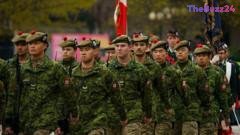
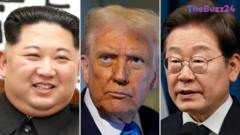
In a notable development regarding geopolitical relations in East Asia, the United States administration has announced plans to significantly scale back joint military exercises with South Korea. This strategic pivot is largely attributed to the strengthening diplomatic rapport between American leadership and North Korean supreme leader Kim Jong Un, marking a distinct evolution in Washington’s regional defense posture.
Observers note that the decision follows growing frustrations within the White House concerning policy alignments with Seoul. Specifically, disagreements have emerged regarding joint approaches toward international security initiatives, including diplomatic and economic stances involving Iran. Despite these diplomatic friction points, the administration continues to prioritize direct engagement with Pyongyang in an effort to foster long-term stability and dialogue on the Korean Peninsula.
Defense analysts and international relations experts are closely monitoring these developments, as any reduction in combined military readiness could alter the security landscape of the region. While the announcement underscores a preference for personalized diplomacy over traditional deterrence measures, regional allies remain focused on maintaining robust defense capabilities amidst ongoing uncertainties.
Key Takeaways
- The United States plans to substantially decrease joint military drills with South Korea.
- The policy shift stems from warming diplomatic relations with North Korea's leadership.
- Tensions have arisen due to disagreements between Washington and Seoul regarding broader international security policies.
Editor’s Analysis & Impact
The decision to scale back joint military exercises with South Korea highlights a profound shift in American foreign policy priorities in East Asia, moving away from traditional deterrence models toward direct, personality-driven diplomacy with Pyongyang. While this approach aims to open new channels for peace and denuclearization negotiations, it risks creating strategic friction with key regional allies like Seoul. In the long term, reducing military readiness could reshape security dynamics across the Korean Peninsula, potentially altering the balance of power and forcing neighboring nations to recalibrate their own defense and diplomatic strategies. Market and geopolitical observers will need to watch how regional stability responds to these evolving alliances and whether renewed dialogue yields concrete security breakthroughs.
Frequently Asked Questions
Q: Why is the US reducing joint military exercises with South Korea?
A: The reduction is driven by a desire to foster diplomatic relations with North Korea and follows policy disagreements between Washington and Seoul.
Q: How does this impact regional security?
A: Scaling back military drills alters traditional deterrence measures, prompting close monitoring by defense analysts and regional allies concerned about readiness.
AI Disclosure: This article is based on verified data and official reports. Our Team and AI have cross-referenced every financial detail with primary sources to ensure total accuracy.
More from this Category