Bond Market Squeeze: Rising Yields Hit Main Street as Fed Chairman Warsh Faces Scrutiny
Long-term Treasury yields have seen a significant ascent, leading to a steepening of the yield curve despite the Federal Reserve maintaining its benchmark policy rate. This upward trend in yields directly translates into higher borrowing costs for American households, impacting everything from mortgages and auto loans to credit card interest rates.
Several converging factors are contributing to this pressure on the bond market. Geopolitical tensions, particularly the conflict in Iran, have driven up energy prices. Simultaneously, the burgeoning demand for artificial intelligence infrastructure is fueling substantial spending by tech companies, creating competition for investor capital. Compounding these issues are large and persistent federal deficits, which necessitate increased government borrowing, further influencing bond yields.
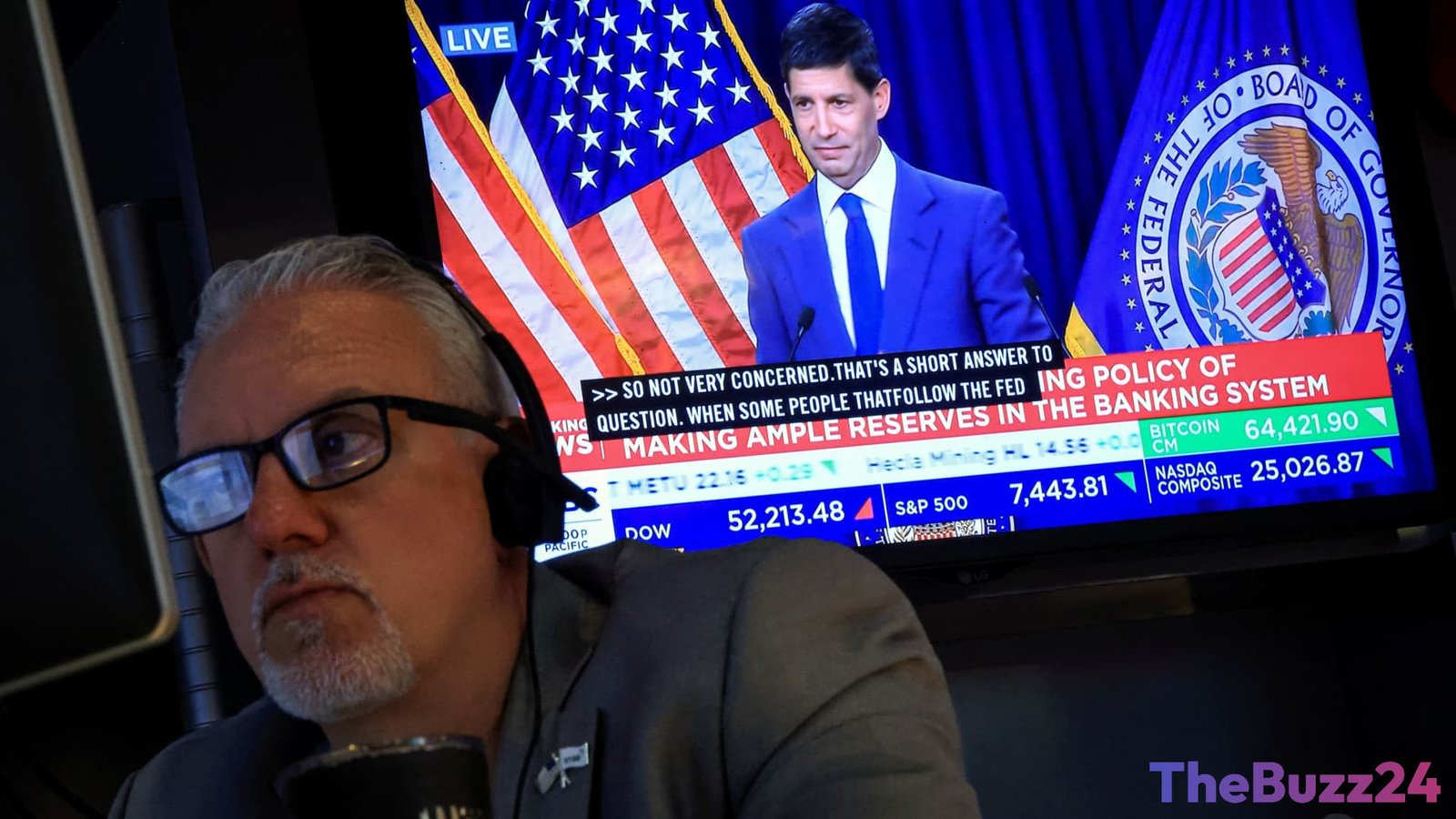
Federal Reserve Chairman Kevin Warsh finds himself at a critical juncture. While the Fed has kept short-term rates steady, the market’s outlook on long-term yields has become increasingly uncertain. Warsh has acknowledged the restrictive financial conditions faced by Main Street, especially in housing, contrasting with what he perceives as looser conditions on Wall Street. His upcoming address at the closely watched central bankers’ conference in Jackson Hole, Wyoming, on August 28, is anticipated to offer insights into his perspective on the economy and the interplay between the bond market and the Fed’s actions. However, a single speech may offer limited relief, as the Fed’s direct influence over government spending and revenue remains constrained.
The divergence between the prosperity of Wall Street and the growing financial strain on Main Street is becoming more pronounced. While high yields offer attractive, risk-free returns for some investors, the broader economic implications suggest a potential for continued pain for average Americans. Unless there’s a significant shift in fiscal policy or a market correction, the current bond market dynamics could foster ongoing economic and political challenges, highlighting the urgent need for sustainable solutions to the nation’s fiscal imbalances.
Key Takeaways
- Long-term Treasury yields are rising, directly increasing consumer borrowing costs for mortgages, auto loans, and credit cards.
- The bond market pressure is driven by a confluence of factors including Iran war energy prices, massive AI infrastructure spending, and substantial federal budget deficits.
- Federal Reserve Chairman Kevin Warsh is under scrutiny to address these issues, with his upcoming speech at Jackson Hole potentially offering market guidance, though the Fed's ability to tackle fiscal imbalances is limited.
Editor’s Analysis & Impact
The current bond market dynamics present a significant challenge to the broader economy, creating a clear divergence between the financial health of Wall Street and the increasing burden on Main Street. The sustained rise in long-term Treasury yields, fueled by geopolitical events, technological demand, and fiscal policy, is tightening financial conditions for consumers and businesses alike. This situation could dampen economic growth by making capital more expensive, potentially slowing investment and consumer spending. The Federal Reserve, under Chairman Warsh, faces a delicate balancing act: addressing market concerns without exacerbating existing pressures. The future outlook suggests continued volatility unless there are decisive actions on fiscal policy or a natural market correction. Prolonged pressure on Main Street could lead to increased political discontent and calls for more interventionist policies, potentially reshaping the economic landscape.
Frequently Asked Questions
Q: What are long-term Treasury yields and why are they rising?
A: Long-term Treasury yields represent the return investors receive for holding U.S. government debt over extended periods (e.g., 10 or 30 years). They are rising due to a combination of factors: increased government borrowing (federal deficits), higher energy prices from geopolitical conflicts (Iran war), and significant demand for capital from the private sector for investments like AI infrastructure.
Q: How do rising bond yields affect average consumers?
A: Rising bond yields directly impact consumer borrowing costs. When Treasury yields increase, the interest rates for various consumer loans, such as 30-year mortgages, auto loans, and even some credit card rates, tend to climb. This makes borrowing more expensive, reducing purchasing power and potentially slowing down major consumer expenditures like home buying.
Q: What role does Federal Reserve Chairman Kevin Warsh play in this situation?
A: Federal Reserve Chairman Kevin Warsh's statements and potential actions are closely watched by markets. While the Fed controls short-term interest rates, Warsh's views on the broader economy and the bond market can influence investor sentiment and expectations for long-term yields. His upcoming speech at Jackson Hole is an opportunity to communicate the Fed's perspective and potentially offer guidance, though the Fed cannot directly resolve issues related to government fiscal policy.
AI Disclosure: This article is based on verified data and official reports. Our Team and AI have cross-referenced every financial detail with primary sources to ensure total accuracy.
More from this Category