US Curtails Joint Military Drills with South Korea Amid Trump’s Geopolitical Pivot
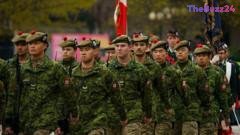
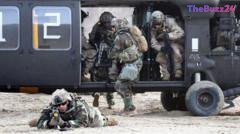
In a significant shift in regional security dynamics, the upcoming joint military exercises between South Korea and the United States will be shortened by nearly a week. The South Korean defense ministry confirmed that the 2026 Ulchi Freedom Shield exercise, originally scheduled to run until August 27, will now conclude on August 21. This adjustment, which also includes a partial reduction in the scale of combined field training, comes directly at the request of Washington.
The decision follows public statements from US President Donald Trump, who criticized the financial burden of the joint maneuvers and expressed a desire to scale them back. Trump linked the reduction to his diplomatic relations with North Korean leader Kim Jong Un, as well as South Korea’s refusal to participate in US-led military initiatives aimed at denuclearizing Iran. South Korean Foreign Minister Cho Hyun revealed during a parliamentary hearing that officials in both Seoul and Washington were caught off guard by the sudden policy shift.
The unexpected scaling back of these long-standing drills has sparked concern regarding the strength of the US-South Korea mutual defense treaty. Analysts suggest that the move could undermine trust not only in Seoul but also among other key regional allies, such as Japan and Taiwan, who rely on American security guarantees. Meanwhile, reports indicate that Trump is actively seeking a new summit with Kim Jong Un to revive diplomatic talks.
Reaction from Pyongyang has been cautious but firm. Kim Yo-Jong, the sister of the North Korean leader, stated that the shortened duration does not alter the “hostile and aggressive” nature of the military exercises. While she acknowledged the positive personal rapport between her brother and Trump, she emphasized that the United States has not fundamentally altered its adversarial stance toward North Korea.
Key Takeaways
- The 2026 Ulchi Freedom Shield joint military drills will be shortened by six days and reduced in scale at the request of the United States.
- President Donald Trump linked the reduction to the high costs of the exercises and South Korea's refusal to assist in US operations against Iran.
- The sudden decision has raised concerns among East Asian allies regarding the reliability of US defense commitments in the region.
Editor’s Analysis & Impact
The decision to curtail the Ulchi Freedom Shield exercises represents a transactional shift in US foreign policy under the Trump administration, prioritizing cost-cutting and bilateral leverage over traditional alliance-building. By explicitly linking regional defense commitments to South Korea’s cooperation on unrelated Middle Eastern issues (specifically Iran), Washington risks fraying its foundational security alliances in East Asia. This move could inadvertently embolden North Korea and China, as regional partners like Japan and Taiwan may begin to question the long-term reliability of American security guarantees. While the diplomatic overture toward Pyongyang aims to revive denuclearization talks, the structural hostility between the two Koreas remains deeply entrenched, meaning a reduction in military readiness could carry significant strategic risks without guaranteeing diplomatic breakthroughs.
Frequently Asked Questions
Q: Why are the US-South Korea military drills being shortened?
A: The drills are being shortened by six days at the request of the US government, following President Donald Trump's criticisms of the exercises' high costs and South Korea's refusal to assist in military operations regarding Iran.
Q: How has North Korea reacted to the reduction of the drills?
A: North Korea downplayed the significance of the reduction, with leadership stating that shortening the drills does not change their aggressive and hostile nature, though they noted a positive personal relationship still exists between Kim Jong Un and Donald Trump.
Q: What are the broader implications for US allies in Asia?
A: The sudden curtailment of these exercises has raised concerns about the strength of the US security umbrella, potentially signaling a weaker American commitment to allies like South Korea, Japan, and Taiwan.
AI Disclosure: This article is based on verified data and official reports. Our Team and AI have cross-referenced every financial detail with primary sources to ensure total accuracy.
More from this Category