Waymo Rolls Out Next-Gen ‘Ojai’ Robotaxis in Three Major Cities as Expansion Accelerates
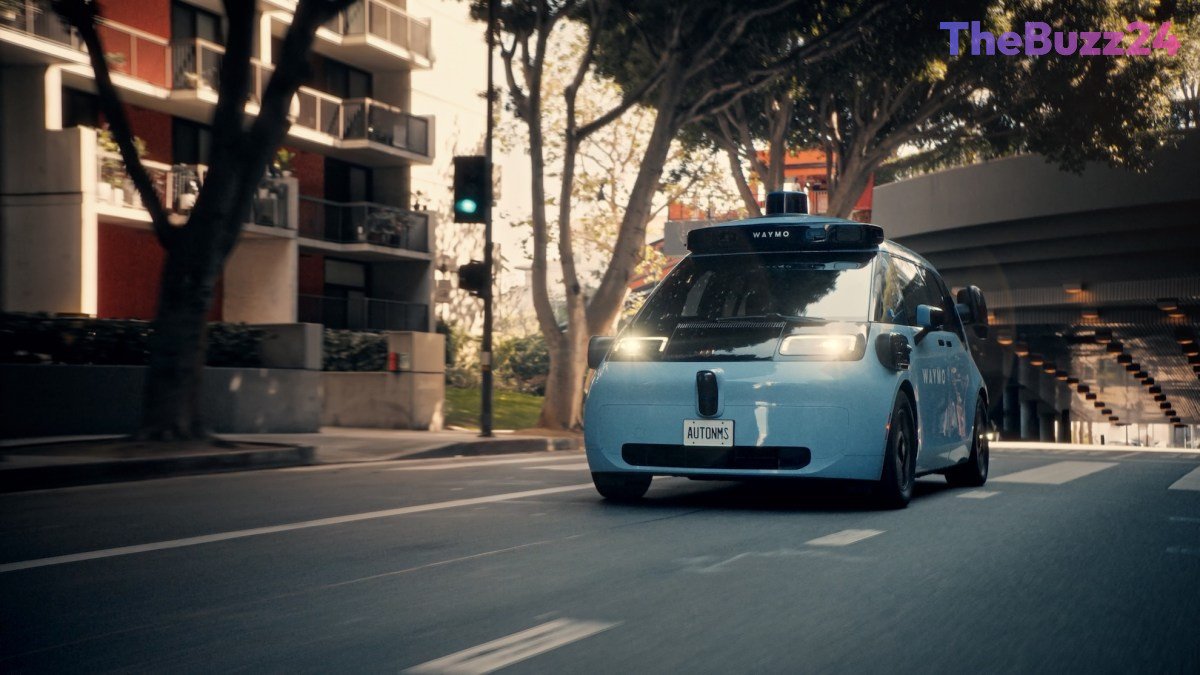
Alphabet’s autonomous driving unit, Waymo, has officially opened access to its next-generation robotaxi, dubbed the “Ojai,” to all passengers in San Francisco, Los Angeles, and Phoenix. This rollout represents a major step forward in the company’s quest to scale its ride-hailing operations with vehicles designed to be significantly cheaper to manufacture, run, and maintain. Currently, passengers in these active markets may be randomly matched with one of the approximately 300 Ojai vehicles already in service, with plans to allow riders to specifically choose between the new model and the legacy Jaguar I-Pace once fleet numbers increase.
The Ojai represents a shift away from the modified Jaguar I-Pace SUVs that have served as Waymo’s primary fleet vehicle. While the Jaguars helped establish the service, the Ojai is engineered for long-term commercial viability and mass production. Built on the SEA-M platform by Chinese automaker Zeekr—a subsidiary of Geely Holding Group—the minivan-style vehicle is designed for durability, ease of passenger access, and cost efficiency. It comes equipped with Waymo’s sixth-generation autonomous driving system, a modular setup adaptable to various vehicle platforms, alongside an updated passenger interface and Google’s Gemini AI serving as an interactive in-car assistant.
Despite its cost-saving design, the Ojai faces financial headwinds due to geopolitical trade tensions. Because the base vehicles are manufactured in China, they are subject to steep U.S. import tariffs. To navigate regulatory concerns, the Zeekr-built minivans are shipped to the U.S. without any Chinese connected-car technology. They are then transported to Waymo’s facility in Arizona, where technicians install the proprietary self-driving hardware and software.
Looking ahead, Waymo plans to introduce the Ojai to Denver, Las Vegas, and San Diego later this year. Shipping and import records indicate a rapid ramp-up, with over 700 vehicles arriving in a single month recently. Projections suggest Waymo is on track to bring as many as 5,000 Ojai vehicles into the United States by the end of 2026, which would more than double the size of its current autonomous fleet and solidify its lead in the commercial robotaxi market.
Key Takeaways
- Waymo has launched its next-generation 'Ojai' robotaxi for all riders in San Francisco, Los Angeles, and Phoenix, with plans to expand to three more cities later this year.
- The Ojai is built on a Zeekr minivan platform and features Waymo's 6th-generation self-driving system, integrated with Google's Gemini AI as an in-car assistant.
- Despite facing high U.S. import tariffs on Chinese-manufactured vehicles, Waymo is on pace to import 5,000 Ojai units by the end of 2026 to rapidly scale its fleet.
Editor’s Analysis & Impact
Waymo’s transition to the Ojai platform highlights a critical pivot from technology demonstration to commercial viability. While the Jaguar I-Pace proved the viability of autonomous ride-hailing, its high manufacturing and maintenance costs limited profitability. By partnering with Geely’s Zeekr, Waymo adopts a purpose-built, cost-effective minivan architecture designed for high-utilization fleet operations. However, this strategy introduces geopolitical risks. Relying on Chinese manufacturing subjects Waymo to heavy U.S. tariffs and intense regulatory scrutiny regarding connected-car technologies. By stripping Chinese software before shipping and assembling the autonomous systems in Arizona, Waymo attempts to mitigate these risks. If successful, this rapid scaling—aiming for 5,000 vehicles by 2026—could allow Alphabet to secure a dominant, near-monopolistic position in the U.S. robotaxi market before competitors like Tesla can deploy comparable scale.
Frequently Asked Questions
Q: What is the Waymo Ojai, and how does it differ from older models?
A: The Ojai is Waymo's next-generation robotaxi, built on a Zeekr minivan platform. Unlike the older Jaguar I-Pace SUVs, the Ojai is designed specifically for ride-hailing, offering easier passenger access, lower production costs, and integration with Google's Gemini AI as an in-car assistant.
Q: Where is the Ojai currently available, and where will it launch next?
A: The Ojai is currently available to all riders in San Francisco, Los Angeles, and Phoenix. Waymo plans to expand the vehicle's availability to Denver, Las Vegas, and San Diego later this year.
Q: How is Waymo handling U.S. tariffs on Chinese-made vehicles?
A: The base Zeekr vehicles are manufactured in China and face steep U.S. import tariffs. To comply with security standards and manage costs, they are shipped without Chinese connected-car technology and are outfitted with Waymo's self-driving systems at a facility in Arizona.
AI Disclosure: This article is based on verified data and official reports. Our Team and AI have cross-referenced every financial detail with primary sources to ensure total accuracy.
More from this Category