Humanoid Robots Face a Decade-Long Wait for Their ‘ChatGPT Moment,’ Warns Unitree Founder
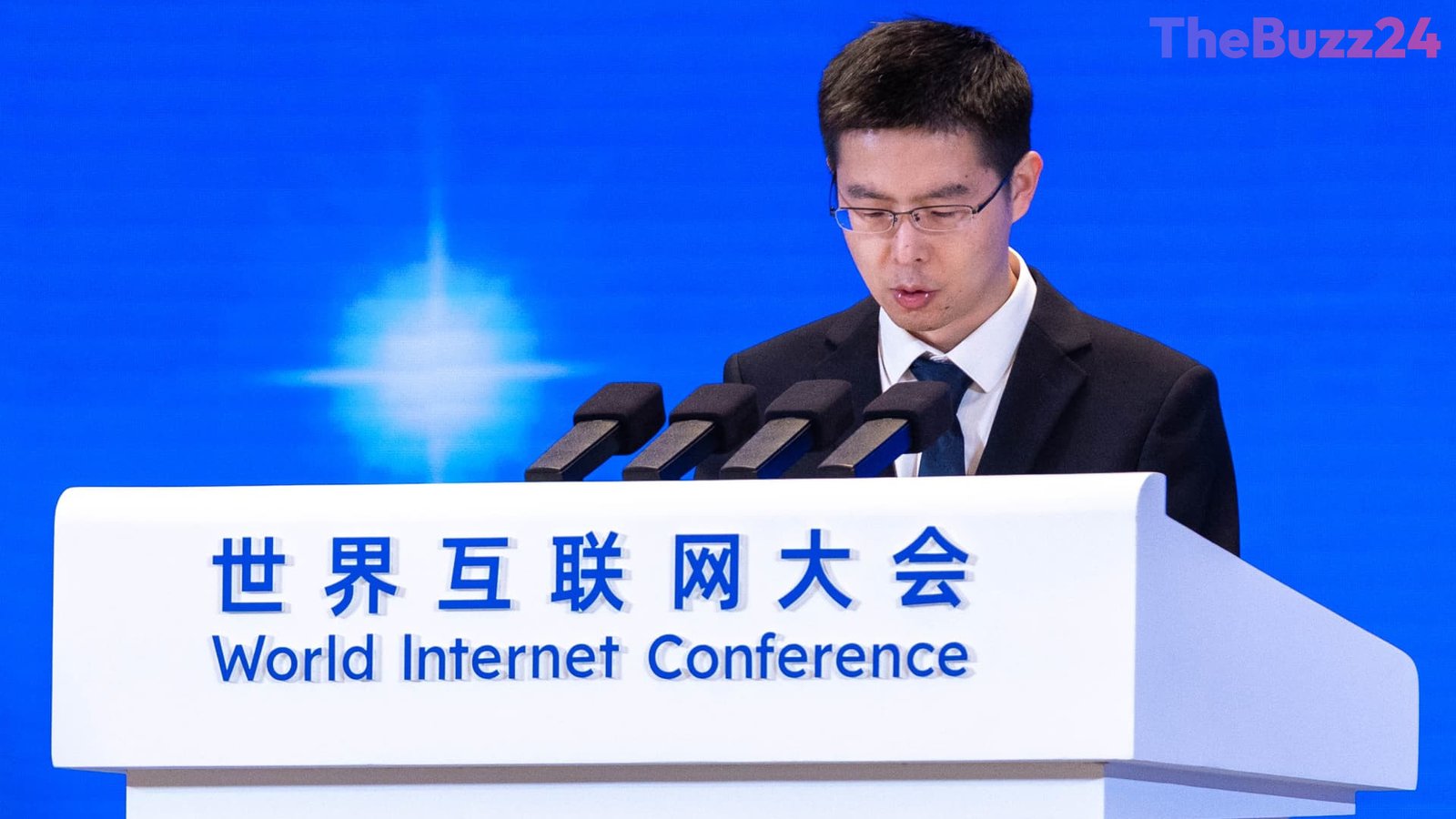
The highly anticipated “ChatGPT moment” for humanoid robotics—where machines can seamlessly adapt to unfamiliar environments and perform complex tasks on command—could still be up to a decade away. Speaking at the World Robot Conference in Beijing, Unitree Robotics founder Wang Xingxing offered a tempered outlook on the industry’s timeline, suggesting a true breakthrough could take anywhere from two to ten years. This cautious projection highlights the persistent gap between soaring investor enthusiasm and the current technical limitations of embodied artificial intelligence.
According to Wang, the primary bottleneck facing modern humanoid robots is their inability to generalize. Currently, machines must be meticulously retrained from scratch for every new task they encounter. Furthermore, while robots can successfully plan broad movements, they frequently fail at executing precise actions within the final few millimeters. To overcome these hurdles, Unitree is pioneering a self-evolving development loop, utilizing AI models to autonomously write, test, and refine the robots’ control code in a continuous feedback cycle.
Despite these technical challenges, the market demand for robotics remains explosive. Unitree recently made a spectacular debut on the Shanghai stock exchange, with its shares skyrocketing 460% above the initial offering price before experiencing a subsequent market correction. This financial momentum aligns with a broader surge in the sector; global shipments of humanoid robots surged by over 270% in the first half of 2026, with Chinese manufacturers dominating nearly the entire market share.
Industry analysts point to Unitree’s strong vertical integration and cost-control measures, such as keeping outsourced components below 20%, as key drivers of its high profit margins. The company’s rapid innovation cycle has also drawn praise from prominent tech figures, including Tether CEO Paolo Ardoino, who highlighted Unitree as a leading force in the advancement of robotic dexterity and precision. However, the ultimate test for the industry will be translating these engineering milestones into practical, scalable economic productivity.
Key Takeaways
- Unitree founder Wang Xingxing estimates that a true 'ChatGPT moment' for humanoid robots—where they can perform 80% of household tasks autonomously—is still 2 to 10 years away.
- The primary technical hurdles facing the robotics industry are the inability of robots to generalize across new tasks and a lack of millimeter-level physical precision.
- Despite these challenges, Chinese manufacturers dominate the rapidly expanding global market, accounting for 97% of the 19,000 humanoid robots shipped in the first half of 2026.
Editor’s Analysis & Impact
The stark contrast between Unitree’s explosive stock market debut and its founder’s conservative timeline underscores a classic hype cycle in emerging technology. Investors are pricing in a future of ubiquitous, autonomous labor, yet the physical reality of robotics lags behind software-based generative AI. Unlike digital LLMs, physical robots must interact with a chaotic, unpredictable material world where a mistake of a few millimeters can cause failure. However, China’s overwhelming dominance in manufacturing and shipments—holding a staggering 97% market share—suggests that the country is uniquely positioned to lead the commercialization phase. Unitree’s high gross margins and vertical integration provide a strong financial cushion, but long-term valuation will ultimately depend on transitioning these machines from viral novelty acts into genuine, productivity-enhancing tools for the global workforce.
Frequently Asked Questions
Q: What is meant by the 'ChatGPT moment' for humanoid robots?
A: It refers to a breakthrough point where a robot can be placed in an unfamiliar environment, such as a home, and successfully complete about 80% of tasks using only basic voice or text commands without needing custom reprogramming.
Q: Why do humanoid robots struggle with unfamiliar tasks?
A: Current robotic systems lack the ability to generalize. They must be trained from scratch for every specific task, and they still struggle with the extreme physical precision required for fine-motor movements.
Q: How dominant is China in the humanoid robotics market?
A: Extremely dominant. In the first half of 2026, Chinese manufacturers accounted for approximately 97% of the 19,000 global humanoid robot shipments.
AI Disclosure: This article is based on verified data and official reports. Our Team and AI have cross-referenced every financial detail with primary sources to ensure total accuracy.
More from this Category