Trump’s Alliance Shift: US-South Korea Drills Halted Amid Regional Tensions
The United States has significantly scaled back its joint military exercises with South Korea, known as Ulchi Freedom Shield, with only half of the scheduled program completed. This decision, which involved 18,000 South Korean troops and participants from 11 other American ally nations, came days after former US President Donald Trump announced he had ordered the Pentagon to “substantially reduce” the drill. Trump characterized the exercises as “inappropriate and hostile” towards North Korea and costly for the US, a revelation that reportedly caught allied nations by surprise.
While Seoul’s Foreign Minister attempted to frame the decision as a mutual agreement, officials privately admitted they were unaware of Trump’s intent to curtail the exercise in advance. This unilateral move has sent ripples of concern across the region, particularly in Taiwan and Japan, which have historically relied on US security guarantees. The abrupt suspension has shaken South Korean confidence in the US alliance, which Seoul considers fundamental to its defense against Pyongyang. There are growing fears that the US might further reduce its 27,000 troops stationed in South Korea or even abandon its long-standing denuclearization policy for the North, potentially without consulting its ally.
Adding to the complexity, Trump has linked security cooperation with trade issues, expressing dissatisfaction with South Korea’s refusal to join actions against Iran and criticizing its financial contributions for hosting US troops. This intertwining of security and economic concerns has led some, including prominent think tanks, to advocate for South Korea to develop its own nuclear deterrence, despite the government’s current stance against it. Such a shift in thinking could gain traction if the US continues to withdraw from its traditional security commitments in Asia.
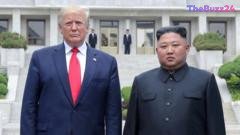
Meanwhile, North Korea has continued to assert its military capabilities, launching ballistic missiles and reiterating its right to use nuclear weapons. Despite Trump’s past claims of a “great relationship” with Kim Jong Un and a potential future meeting, experts remain skeptical, especially as North Korea strengthens its alliances with Russia and China. The scaling down of joint drills is seen by some as a major concession, potentially emboldening Pyongyang and leaving the door open for further demands at a time when North Korea appears militarily stronger and more assertive.
Key Takeaways
- Former President Trump ordered a significant reduction in the Ulchi Freedom Shield joint military exercises with South Korea, citing cost and a desire to de-escalate tensions with North Korea.
- The decision has raised concerns among US allies, particularly South Korea, about the reliability of US security commitments and the potential for linking security to trade disputes.
- North Korea continues to strengthen its military position and alliances, while the reduction in drills is seen as a concession that could further destabilize regional security dynamics.
Editor’s Analysis & Impact
This development signals a significant shift in the geopolitical landscape of East Asia, potentially reshaping long-standing alliances and security paradigms. The unilateral reduction of joint military exercises by the US could erode trust among allies, prompting nations like South Korea to re-evaluate their defense strategies and potentially pursue greater military independence, including nuclear deterrence. For markets, this uncertainty could lead to increased volatility in defense stocks and impact trade relations, especially if security concerns become more intertwined with economic policy. The move also emboldens North Korea, which may perceive it as a weakening of the US-South Korea alliance, potentially leading to further provocations. The broader implication is a potential rebalancing of power in the region, with China and Russia possibly increasing their influence as the US signals a more transactional approach to its alliances.
Frequently Asked Questions
Q: Why did President Trump order the reduction of military drills with South Korea?
A: President Trump stated that the Ulchi Freedom Shield exercises were 'inappropriate and hostile' towards North Korea and too costly for the United States. He also linked the decision to South Korea's refusal to participate in actions against Iran and its contributions to hosting US troops.
Q: What are South Korea's main concerns regarding this decision?
A: South Korea views the joint exercises as crucial to its alliance with the US and a demonstration of American commitment to its defense. The sudden reduction has shaken confidence in the US as an ally, raising fears of potential further troop withdrawals or shifts in denuclearization policy without consultation, and linking security to trade disputes.
Q: How has North Korea reacted to the scaling down of drills?
A: North Korea has largely downplayed the significance of the reduced drills, stating they do not change the 'hostile and offensive nature' of the exercises. However, the move is widely seen as a concession that could strengthen North Korea's position, especially as it continues to develop its military capabilities and alliances with Russia and China.
AI Disclosure: This article is based on verified data and official reports. Our Team and AI have cross-referenced every financial detail with primary sources to ensure total accuracy.
More from this Category