Regulators Grapple with Emerging Risks in Prediction Markets
The Commodity Futures Trading Commission (CFTC) convened its inaugural Innovation Advisory Committee meeting this week, focusing on the burgeoning landscape of prediction markets and the regulatory challenges they present. The committee, comprising over 30 industry leaders from firms such as Polymarket, Kalshi, Coinbase, Robinhood, and Nasdaq, delved into critical issues including the oversight of cryptocurrency and artificial intelligence, but the most intense discussions centered on the unique risks associated with prediction markets.
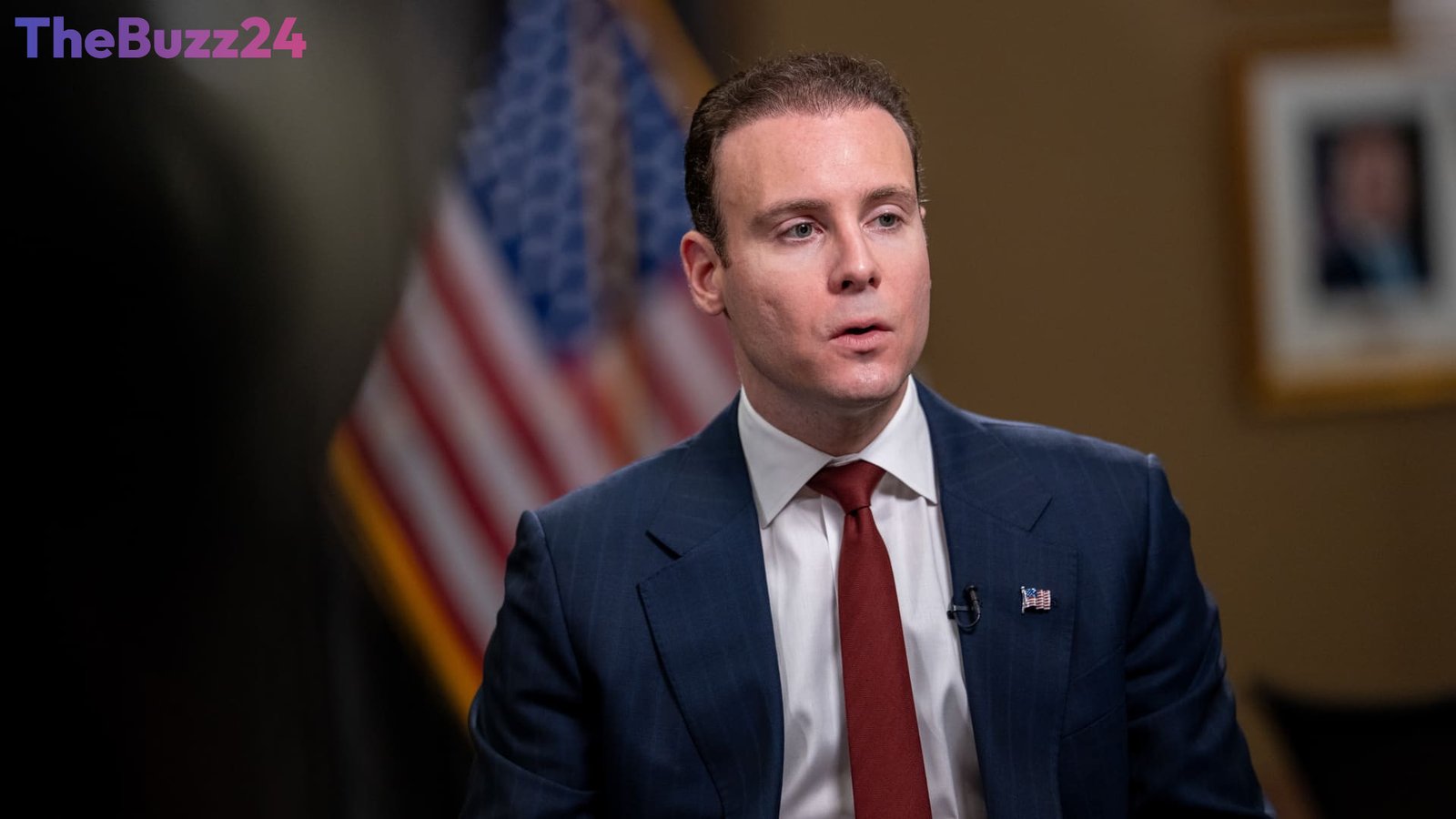
Central to the debate were concerns surrounding self-certification processes for event contracts and the potential for manipulation in “mention markets.” These specialized contracts allow traders to speculate on the occurrence of specific words or phrases being used in public statements or financial reports, raising red flags for regulators. CFTC Chairman Michael Selig emphasized the committee’s advisory role in shaping stronger market regulations, acknowledging the need for a clear roadmap to address these evolving financial instruments.
During the meeting, Terry Duffy, Chair and CEO of CME Group, voiced strong opposition to the current self-certification framework, arguing that it allows platforms to list event contracts without prior CFTC approval, potentially leading to violations of core market principles. He cited a significant number of self-certifications that he believes are problematic. Conversely, Kalshi co-founder Luana Lopes Lara defended self-certification, highlighting its necessity for facilitating timely markets that cater to user demand for rapid event contract listings.
Further complicating the regulatory picture, Robinhood CEO Vlad Tenev echoed concerns about mention markets, urging close scrutiny from the federal agency. The discussion also touched upon high-profile cases of alleged insider trading linked to prediction markets, underscoring the vulnerability of these platforms to illicit activities. Chairman Selig outlined a three-part regulatory roadmap, including proposals to refine rules on prohibited event contracts, modernize reporting for collateralized contracts, and enhance consumer protection requirements for designated contract markets (DCMs) that host these prediction platforms.
Key Takeaways
- The CFTC's Innovation Advisory Committee met to address regulatory concerns surrounding prediction markets, including self-certification and mention markets.
- Industry leaders debated the merits of self-certification, with CME Group expressing concerns about manipulation and Kalshi advocating for its efficiency.
- Regulators are considering a three-part roadmap to enhance oversight, consumer protection, and define rules for event contracts in prediction markets.
Editor’s Analysis & Impact
The CFTC’s proactive engagement with the Innovation Advisory Committee signals a growing recognition of prediction markets as a significant, yet complex, financial frontier. The tension between facilitating innovation and mitigating risks like manipulation and insider trading is palpable. The “mention market” concept, in particular, presents novel challenges that require careful definition and oversight. The committee’s deliberations and the proposed roadmap suggest a move towards more structured regulation, aiming to balance market accessibility with investor protection. This could set a precedent for how other emerging financial technologies are integrated into the existing regulatory framework, potentially impacting the broader fintech and digital asset industries.
Frequently Asked Questions
Q: What are "mention markets"?
A: Mention markets are a type of prediction market where traders speculate on whether specific words or phrases will be used by a public figure during a speech, event, or earnings call. They are a subject of regulatory concern due to their susceptibility to manipulation and insider trading.
Q: What is self-certification in the context of prediction markets?
A: Self-certification allows prediction market platforms to propose and list event contracts without prior approval from the CFTC, as permitted under the Commodity Exchange Act. While it speeds up the process, critics argue it can make markets vulnerable to manipulation.
Q: What is the CFTC's role in regulating prediction markets?
A: The CFTC, as the primary regulator for futures and options markets in the U.S., oversees prediction markets to ensure market integrity, prevent fraud and manipulation, and protect investors. The Innovation Advisory Committee provides input to help shape these regulations.
AI Disclosure: This article is based on verified data and official reports. Our Team and AI have cross-referenced every financial detail with primary sources to ensure total accuracy.
More from this Category