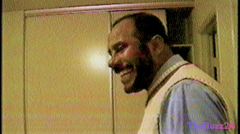
Tupac Murder Trial: Accused Claims Nephew Fired Fatal Shots in 2008 Police Statement
In a dramatic turn during the ongoing trial for the murder of rap icon Tupac Shakur, the man accused of orchestrating the 1996 shooting, Duane “Keffe D” Davis, reportedly told police over a decade ago that his nephew fired the fatal shots. Davis, 63, is currently facing a murder charge in Las Vegas, with prosecutors alleging he masterminded the drive-by shooting and provided the weapon, even if he didn’t pull the trigger himself.
The core of the prosecution’s case appears to hinge on statements made by Davis himself, including a previously unreleased 2008 police interview and his 2019 memoir, “Compton Street Legend.” In the 2008 recording, played for the jury, Davis detailed how he was a passenger in a Cadillac that pulled alongside Shakur’s vehicle. He claimed he handed a gun to a passenger, who then passed it to his nephew, Orlando Anderson, who subsequently opened fire on Shakur.
Davis’s defense, however, has cast doubt on the credibility of his past statements, with his lawyer arguing that what his client has previously said cannot be taken at face value. The defense has also pointed to inconsistencies and a lack of corroborating evidence in the police investigation. Shakur’s murder remains one of music’s most enduring cold cases, captivating public interest for nearly three decades.
Prosecutors contend that Davis initiated the shooting as retaliation after his nephew, Orlando Anderson, was involved in a physical altercation with Shakur hours before the fatal incident. The defense has challenged the prosecution’s narrative, questioning the reliability of witnesses and the thoroughness of the initial investigation. The trial continues to unfold, with the jury tasked with sifting through decades-old accounts and conflicting testimonies.
Key Takeaways
- Duane "Keffe D" Davis, accused of orchestrating Tupac Shakur's murder, stated in a 2008 police interview that his nephew fired the fatal shots.
- Prosecutors allege Davis ordered the shooting and supplied the weapon, while his defense questions the reliability of his statements.
- The trial centers on Davis's past accounts, including a 2008 interview and a 2019 memoir, as evidence in the nearly 30-year-old cold case.
Editor’s Analysis & Impact
The Tupac Shakur murder trial continues to highlight the challenges of prosecuting decades-old cold cases, particularly when key evidence relies on the testimony and past statements of the accused. The defense’s strategy of questioning the credibility of Duane “Keffe D” Davis’s accounts, including his memoir and police interviews, underscores the critical need for corroborating evidence. This case could set precedents for how such historical testimonies are weighed in modern courtrooms. The outcome will not only determine guilt in this specific instance but also impact the broader landscape of cold case investigations and the admissibility of self-incriminating statements made under potentially conditional circumstances.
Frequently Asked Questions
Q: Who is Duane "Keffe D" Davis?
A: Duane "Keffe D" Davis is the man accused of orchestrating the 1996 murder of rapper Tupac Shakur. He is currently on trial in Las Vegas facing a murder charge.
Q: What is the main evidence against Keffe D?
A: The prosecution's case relies heavily on statements made by Keffe D himself, including a 2008 police interview and his 2019 memoir, "Compton Street Legend." In these accounts, he allegedly admits to his involvement and implicates his nephew in the shooting.
Q: What is the defense's argument?
A: The defense argues that Keffe D's past statements are unreliable and lack corroboration. They are also questioning the thoroughness and integrity of the original police investigation into Tupac Shakur's murder.
AI Disclosure: This article is based on verified data and official reports. Our Team and AI have cross-referenced every financial detail with primary sources to ensure total accuracy.
More from this Category