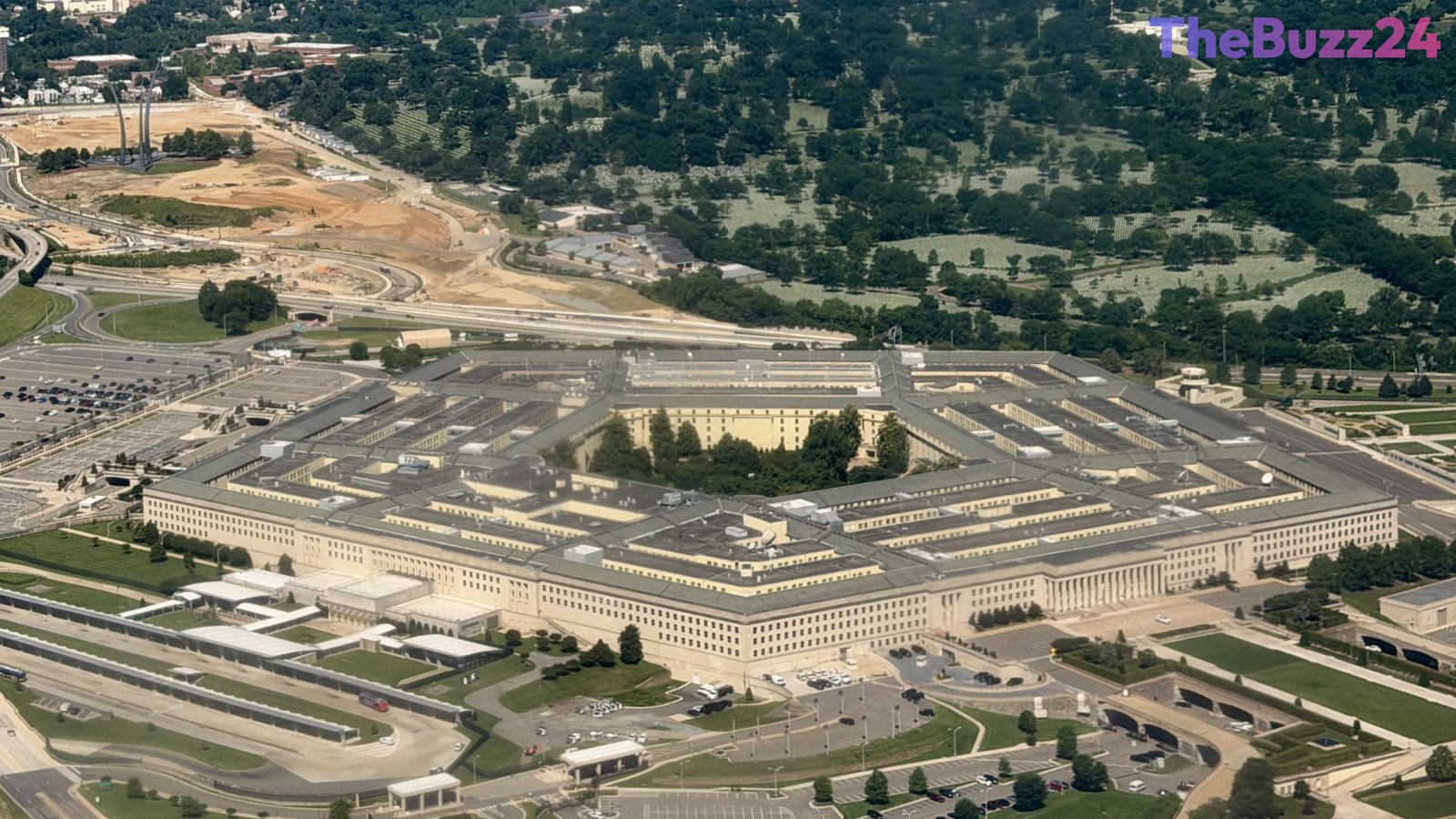
Pentagon Clears Out Leadership of Historic Military Publication Stars and Stripes
The top leadership of Stars and Stripes, the long-running independent military newspaper, has been removed by the Pentagon. Editor-in-Chief Erik Slavin announced his termination, citing an official notice that accused him of insubordination following a media appearance where he discussed editorial independence.
Alongside Slavin, publisher Max Lederer and reporter Lara Korte were also dismissed from the publication. Lederer, who had previously announced plans to retire, noted in internal correspondence that defense officials had signaled a shift in strategic vision for the outlet that conflicted with current management. Korte indicated her removal followed public comments emphasizing the publication’s operational distinction from the Department of Defense.
Stars and Stripes has maintained continuous publication since World War II, serving armed forces personnel globally with independent journalism. While the organization receives federal funding through the Defense Department, it has traditionally operated under an editorial firewall designed to protect its independent reporting. Recent developments, including the appointment of a military deputy to the publisher role and a push for modernized digital outreach, point toward shifting oversight and potential restructuring under the current administration.
Key Takeaways
- The Pentagon removed key leaders of the military newspaper Stars and Stripes, including Editor-in-Chief Erik Slavin and publisher Max Lederer.
- Dismissed staff members stated their terminations followed media interviews addressing editorial independence and censorship concerns.
- Stars and Stripes has a history dating back to World War II and has traditionally operated with editorial independence despite receiving Defense Department funding.
Editor’s Analysis & Impact
The dismissal of top leadership at Stars and Stripes marks a critical turning point in the ongoing tension between government oversight and military journalism. As the Pentagon pushes for a new operational vision and increased digital engagement, the intervention raises profound questions about the future of editorial independence within state-funded media outlets. For decades, the publication has served as a trusted, independent voice for U.S. service members stationed globally. Any perceived erosion of its editorial firewall could diminish trust among troops and draw intense scrutiny from press freedom advocates. Moving forward, the industry will closely monitor how the publication’s new leadership balances institutional defense priorities with the traditional commitment to objective, unvarnished reporting for the armed forces.
Frequently Asked Questions
Q: What is Stars and Stripes?
A: Stars and Stripes is an independent military newspaper that has provided news and information to U.S. troops around the world continuously since World War II.
Q: Why were the leaders of Stars and Stripes fired?
A: The leadership team, including Editor-in-Chief Erik Slavin, was reportedly dismissed for insubordination following public statements regarding editorial independence and potential censorship concerns.
Q: Is Stars and Stripes funded by the government?
A: Yes, the publication receives funding from the Department of Defense, but it has historically maintained an independent editorial stance.
AI Disclosure: This article is based on verified data and official reports. Our Team and AI have cross-referenced every financial detail with primary sources to ensure total accuracy.
More from this Category