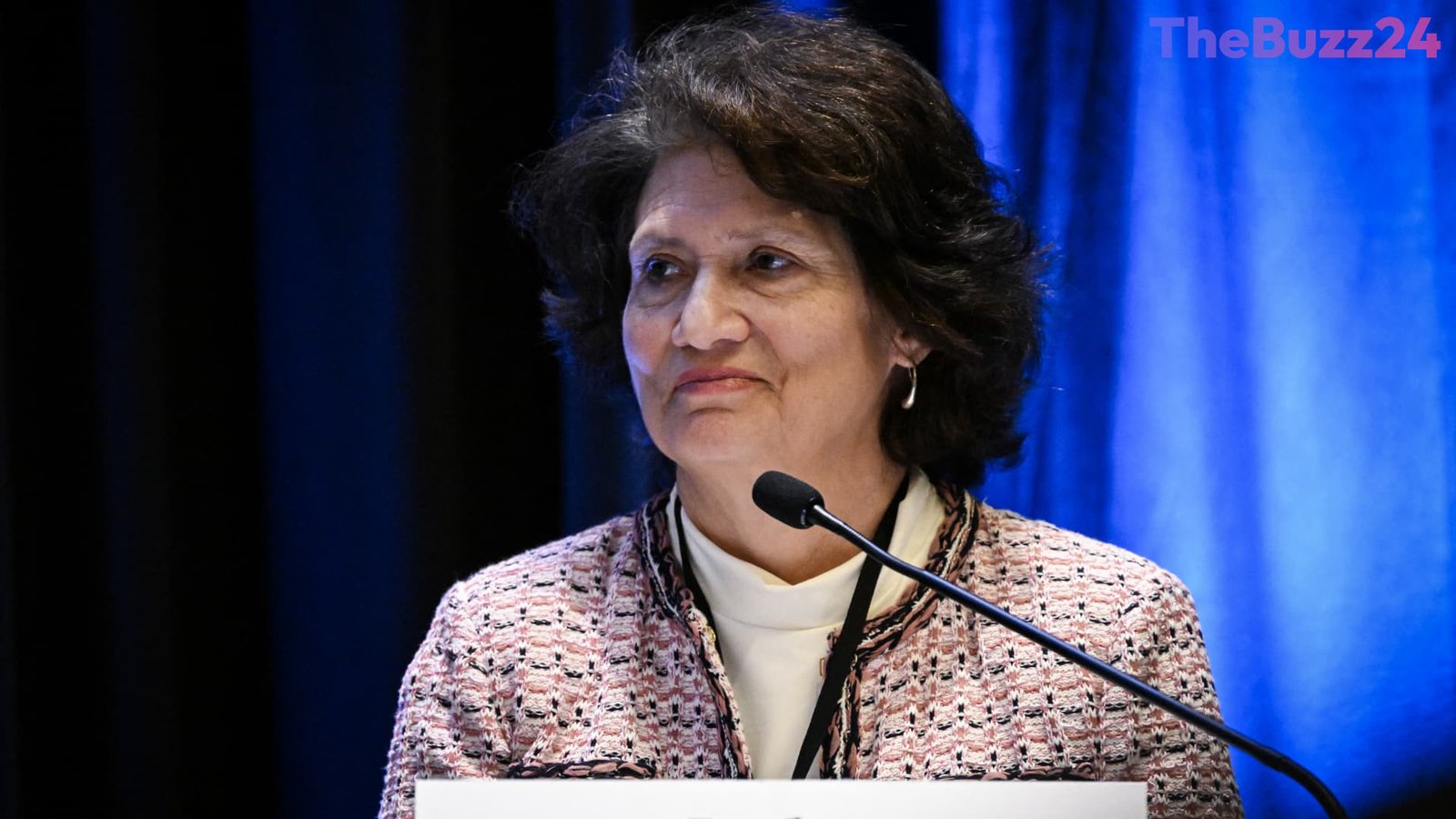
The Silicon Valley Gatekeeper: Judge Yvonne Gonzalez Rogers and the Future of Big Tech
Judge Yvonne Gonzalez Rogers has emerged as the most pivotal figure in the American legal landscape regarding the regulation of the technology sector. As the newly appointed chief judge of the Northern District of California, she oversees a jurisdiction that encompasses the headquarters of industry titans like Meta, Apple, and OpenAI. Known for her rigorous, no-nonsense approach, Gonzalez Rogers has become the primary arbiter in high-stakes litigation that threatens to reshape how these companies operate.
Her reputation for demanding accountability from powerful corporations was solidified through years of complex antitrust and civil litigation. Most notably, her oversight of the Epic Games versus Apple trial highlighted her willingness to challenge industry giants, even going so far as to publicly rebuke Apple for misleading the court regarding its App Store fee structures. Her courtroom style—described by veteran litigators as sharp and uncompromising—has made her a formidable presence for any legal team appearing before her.
Currently, Gonzalez Rogers is presiding over a landmark case involving Meta, where a coalition of state attorneys general is challenging the company’s influence on younger users. The litigation, which some have compared to the historic legal battles against the tobacco industry, focuses on whether Meta’s design features, such as infinite scrolling and algorithmic targeting, intentionally exploit vulnerabilities in children. With the potential for massive civil penalties and court-mandated changes to core business algorithms, the outcome of this trial could fundamentally alter Meta’s advertising-driven revenue model.
Beyond the Meta case, Gonzalez Rogers continues to manage a massive multidistrict litigation effort involving nearly 3,000 lawsuits against major social media platforms. Her ability to balance the technical complexities of artificial intelligence and digital infrastructure with the broader societal concerns of the public has cemented her role as the ultimate gatekeeper of Silicon Valley’s legal accountability. As she steps into her role as chief judge, her decisions will likely define the boundaries of corporate responsibility in the digital age.
Key Takeaways
- Judge Yvonne Gonzalez Rogers has become the central judicial figure overseeing major antitrust and social media litigation involving Silicon Valley's largest tech companies.
- The current trial against Meta, led by a coalition of state attorneys general, seeks to force changes to platform algorithms and design features that allegedly harm young users.
- Gonzalez Rogers is known for her 'no-nonsense' judicial style and has previously demonstrated a willingness to hold major corporations accountable for misleading the court.
Editor’s Analysis & Impact
The rise of Judge Yvonne Gonzalez Rogers to the position of chief judge in the Northern District of California signals a shift toward more aggressive judicial oversight of the tech industry. As Big Tech faces increasing scrutiny over AI development, antitrust concerns, and the psychological impact of social media on minors, the court’s role has evolved from a passive arbiter to an active regulator. The Meta trial is particularly significant; if the court rules in favor of the state attorneys general, it could set a legal precedent that forces a total redesign of engagement-based algorithms. This would not only impact Meta’s bottom line but would likely trigger a domino effect across the entire social media landscape, forcing companies to prioritize safety over user retention metrics. The industry should expect a period of heightened legal volatility as these precedents are established.
Frequently Asked Questions
Q: Why is the current Meta trial being compared to the 'Big Tobacco' litigation?
A: The comparison stems from allegations that Meta knowingly designed its platforms with addictive features, such as infinite scroll and push notifications, to hook young users despite being aware of the potential for psychological harm.
Q: What is an advisory jury, and why is it being used in the Meta case?
A: An advisory jury provides the judge with a sense of community sentiment regarding the case. While their verdict is not legally binding, it helps the judge gauge public opinion on complex issues that affect the daily lives of citizens.
AI Disclosure: This article is based on verified data and official reports. Our Team and AI have cross-referenced every financial detail with primary sources to ensure total accuracy.
More from this Category