Main Street Sports Targets Comcast and Charter in Legal Battle Over Licensing Fees
Main Street Sports, the entity formerly responsible for a significant portfolio of regional sports networks, has initiated legal action against major cable providers Comcast and Charter Communications. The lawsuits, filed in Delaware Superior Court, allege that the two largest pay-TV distributors in the United States breached their contractual obligations by underpaying licensing fees during the early months of 2026.
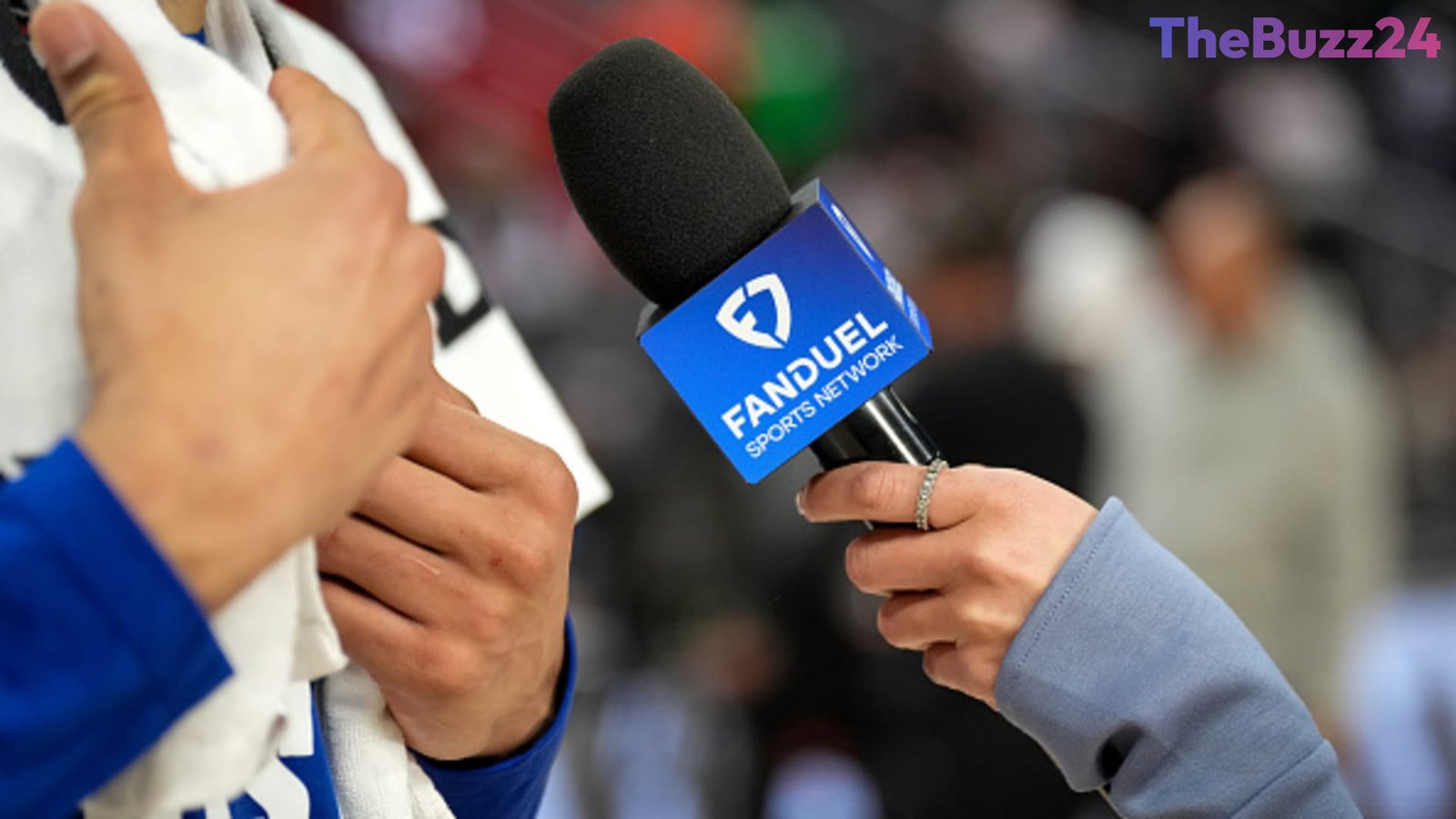
At the time of the alleged underpayments, Main Street Sports was still actively broadcasting NBA and NHL games to local markets nationwide. The company, which underwent several ownership changes and rebrandings—including a period operating as FanDuel Sports Network—has been in the process of winding down its operations throughout this year. Despite emerging from bankruptcy in 2025 with a footprint covering approximately 30 teams across the MLB, NHL, and NBA, the organization struggled to maintain liquidity amidst a heavy debt burden.
The litigation highlights the deepening instability within the regional sports network (RSN) business model. As cord-cutting trends continue to erode the traditional pay-TV bundle, distributors have increasingly sought to renegotiate or reduce the high fees previously paid to carry local sports content. This shift has placed immense financial pressure on RSNs, which rely on these licensing revenues to sustain their operations and fulfill obligations to professional sports leagues.
Key Takeaways
- Main Street Sports is suing Comcast and Charter for alleged underpayment of licensing fees during the 2026 NBA and NHL seasons.
- The lawsuits were filed in Delaware Superior Court as the company continues its formal wind-down process.
- The legal action underscores the broader decline of the traditional regional sports network business model due to widespread cord-cutting.
Editor’s Analysis & Impact
The litigation between Main Street Sports and major cable providers serves as a bellwether for the structural collapse of the regional sports network (RSN) model. For decades, RSNs were the bedrock of local sports broadcasting, fueled by high carriage fees passed on to cable subscribers. However, the rapid acceleration of cord-cutting has rendered this model increasingly unsustainable. As distributors like Comcast and Charter face shrinking subscriber bases, they are aggressively pushing to lower content costs, leading to inevitable friction with content owners. The future of local sports broadcasting is clearly shifting toward direct-to-consumer streaming and platform-agnostic distribution deals, as seen with recent moves by independent networks. This legal battle is likely just the beginning of a wave of contract disputes as legacy media entities attempt to navigate a post-bundle landscape.
Frequently Asked Questions
Q: Why is Main Street Sports suing Comcast and Charter?
A: Main Street Sports alleges that Comcast and Charter breached their contracts by underpaying licensing fees for the broadcast of NBA and NHL games during the early part of 2026.
Q: What is the current status of Main Street Sports?
A: Main Street Sports is currently in the process of winding down its operations after facing significant liquidity issues and a heavy debt load following its exit from bankruptcy in 2025.
AI Disclosure: This article is based on verified data and official reports. Our Team and AI have cross-referenced every financial detail with primary sources to ensure total accuracy.
More from this Category