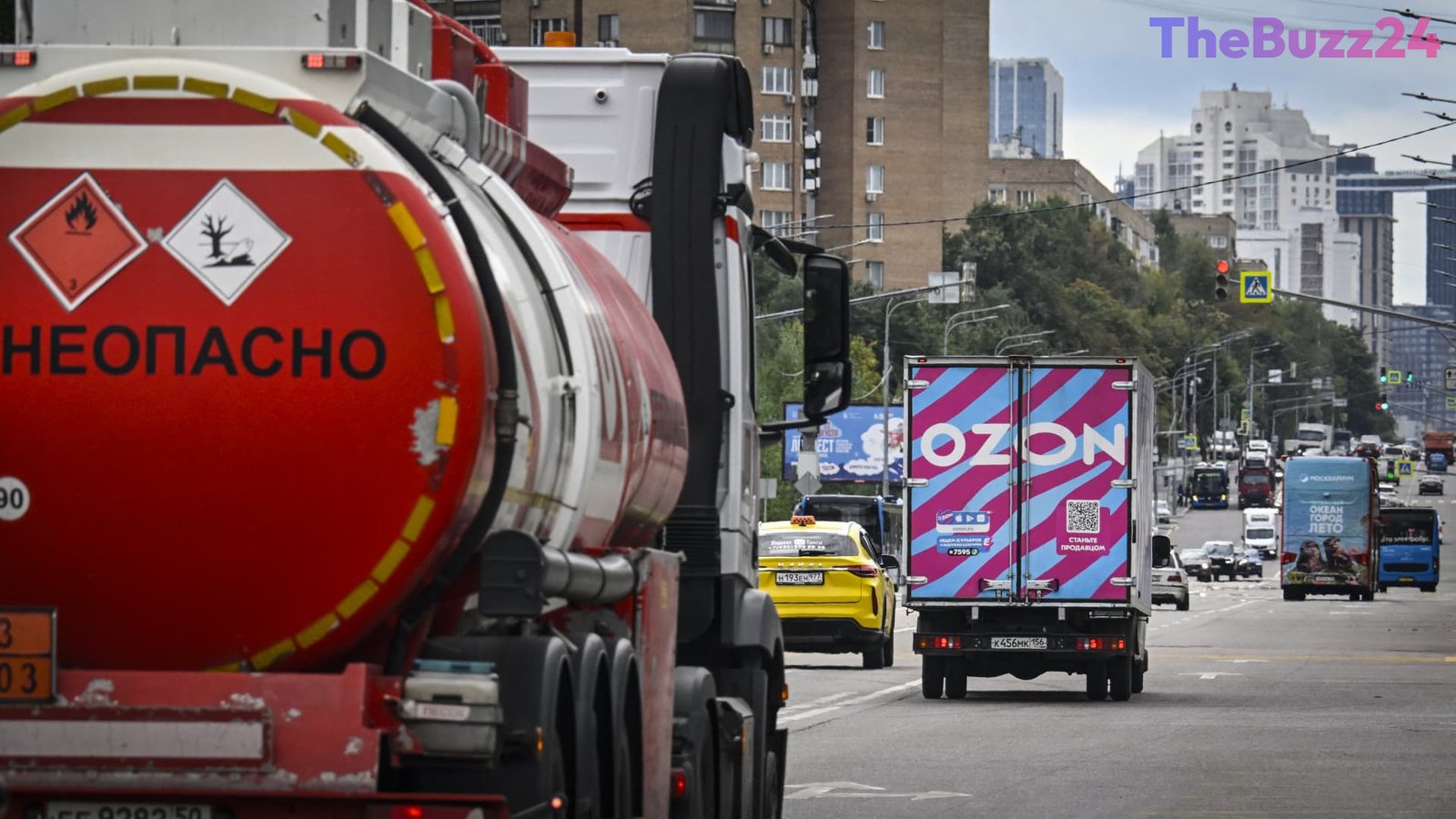
Ozon Shares Plummet as Ukraine Expands Drone Campaign Against Russian Logistics
Ukraine’s drone campaign against Russian economic targets has intensified, now focusing on the major e-commerce marketplace Ozon. This marks an expansion of Kyiv’s strategy, which previously targeted rival retail giant Wildberries, aiming to disrupt supply chains and exert further pressure on Russia’s wartime economy. The shift in focus has already had a significant financial impact, with Ozon’s shares experiencing a sharp decline.
The e-commerce giant’s stock plummeted by nearly 30% on the Moscow Exchange following reports of multiple drone strikes across southern Russia. Over the past three days, at least six Ozon facilities have been targeted. Incidents include attacks on logistics hubs in Makhachkala, Dagestan, and Enem, near Krasnodar. A particularly notable strike occurred at an Ozon logistics center in the Samara region, which resulted in a warehouse fire and the swift evacuation of over 500 employees.
These systematic strikes on storage centers are intended to disrupt enemy logistics and negatively affect Russia’s broader economy, particularly by targeting facilities that may handle dual-use goods, including components for drones and navigation equipment. Ukrainian officials have indicated that after hitting 15 of Wildberries’ largest logistics hubs, Ozon is now the primary focus. In response, Russian President Vladimir Putin has condemned the attacks as opening a “Pandora’s box,” vowing to retaliate against Ukraine’s most sensitive economic sectors.
Ozon, founded in 1998, is a significant player in Russia’s e-commerce landscape. The combined revenue of Russia’s top three online retailers—Wildberries, Ozon, and Yandex Market—reached approximately $140.3 billion last year, representing over 5% of Russia’s gross domestic product. While Russia’s economy has shown unexpected resilience throughout the conflict, analysts suggest that the strain from heavy military spending, increased taxes, and subsidized bank lending is becoming increasingly evident, making these targeted strikes potentially more impactful.
Key Takeaways
- Ukraine has expanded its drone campaign to target Ozon, Russia's second-largest online retailer, after previously focusing on Wildberries.
- Ozon's shares plunged nearly 30% following multiple drone strikes on its logistics hubs, highlighting the immediate financial impact.
- Kyiv aims to disrupt Russian supply chains and inflict economic pressure, while Moscow vows retaliation against Ukraine's economic targets.
Editor’s Analysis & Impact
The escalation of Ukraine’s drone campaign to include Ozon, a major e-commerce player, signals a strategic shift towards broader economic disruption within Russia. This move aims to not only cripple logistics vital for both civilian and potentially military supply chains but also to undermine public confidence and financial stability. The sharp drop in Ozon’s shares demonstrates the immediate market sensitivity to such attacks. If sustained, these strikes could significantly impact consumer goods availability and increase operational costs for Russian businesses, further straining an economy already under pressure from military spending and sanctions. The tit-for-tat threats from both sides suggest a deepening of economic warfare, with potential long-term implications for regional stability and global supply chains.
Frequently Asked Questions
Q: Why is Ukraine targeting Russian e-commerce companies like Ozon and Wildberries?
A: Ukraine's objective is to disrupt Russian supply chains, inflict economic pressure on President Putin's wartime economy, and target logistics hubs that may handle dual-use goods, including components potentially used for military purposes.
Q: What has been the immediate impact of these drone strikes on Ozon?
A: Ozon's shares plunged by nearly 30% on the Moscow Exchange following reports of multiple drone strikes on its logistics facilities. One significant strike in the Samara region caused a warehouse fire and led to the evacuation of over 500 employees.
Q: How significant are these e-commerce companies to Russia's economy?
A: Companies like Ozon and Wildberries are major players in Russia's e-commerce sector. The combined revenue of the top three online retailers in Russia reached approximately $140.3 billion last year, accounting for over 5% of Russia's gross domestic product, indicating their substantial economic importance.
AI Disclosure: This article is based on verified data and official reports. Our Team and AI have cross-referenced every financial detail with primary sources to ensure total accuracy.
More from this Category