Pennsylvania Reports Measles Fatalities Amid Nationwide Surge and Falling Immunization Rates
Pennsylvania health officials have confirmed the tragic deaths of two unvaccinated individuals due to measles, marking a grim milestone as the state grapples with hundreds of infections this year. The fatalities underscore a broader, alarming trend across the nation, which is currently experiencing its highest volume of measles cases in over three decades. In Lancaster County, where the recent deaths took place, kindergarten vaccination coverage sits at just 85 percent—falling significantly short of the critical 95 percent threshold required to establish herd immunity and shield vulnerable, immunocompromised populations from exposure.
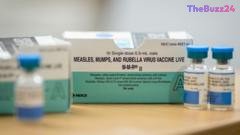
The devastating toll in Pennsylvania follows a similar outbreak last year in Texas, which claimed the lives of two unvaccinated children amid more than a thousand total infections. Public health leaders emphasize that these outcomes are entirely preventable through widespread administration of the mumps, measles, and rubella (MMR) vaccine. State leadership has voiced strong concerns regarding the trajectory of the disease, pointing out that falling immunization rates driven by growing vaccine hesitancy are actively fueling the resurgence of a virus once considered eliminated.
Tensions have also risen over federal policies and messaging surrounding childhood immunizations. Recent executive actions and administrative directives have sparked debates among public health professionals, who warn that altered vaccination guidelines and mixed messaging from federal officials could foster public confusion and further depress inoculation rates. As the United States moves dangerously close to losing its official measles elimination status, state and local authorities continue to urge communities to rely on established medical science and ensure children receive their recommended doses.
Key Takeaways
- Two unvaccinated individuals have died from measles in Pennsylvania amid a statewide and national surge in cases.
- Lancaster County's kindergarten vaccination rate of 85 percent falls well below the 95 percent threshold required for herd immunity.
- The United States is currently on track to lose its official status of having eliminated measles following a dramatic rise in infections.
Editor’s Analysis & Impact
The resurgence of measles in the United States represents a critical turning point for public health infrastructure and vaccine policy. Once declared eliminated domestically, the rapid return of the virus highlights the tangible consequences of declining immunization rates and escalating vaccine hesitancy. From an economic and systemic perspective, outbreaks of highly contagious and vaccine-preventable diseases place an avoidable financial burden on healthcare systems while disrupting communities and educational institutions. Furthermore, friction between state-level officials and federal health directives signals a turbulent regulatory landscape ahead. As public health agencies navigate shifting federal guidelines and public skepticism, restoring trust in proven medical countermeasures will be paramount to preventing further erosion of herd immunity and protecting vulnerable populations from preventable tragedies.
Frequently Asked Questions
Q: What is the primary cause of the recent measles outbreak in Pennsylvania?
A: The outbreak is primarily driven by declining immunization rates and falling below the herd immunity threshold of 95 percent in certain areas, such as Lancaster County.
Q: How effective is the MMR vaccine against measles?
A: The recommended two-dose series of the measles, mumps, and rubella (MMR) vaccine is approximately 97 percent effective in protecting individuals against the illness.
Q: What is herd immunity in the context of measles?
A: Herd immunity occurs when a sufficiently high percentage of a population—typically around 95 percent for measles—is vaccinated, making the spread of contagious diseases from person to person unlikely and protecting vulnerable individuals who cannot receive vaccines.
AI Disclosure: This article is based on verified data and official reports. Our Team and AI have cross-referenced every financial detail with primary sources to ensure total accuracy.
More from this Category