OpenAI Faces Leadership Exodus as Data Center Chief Departs
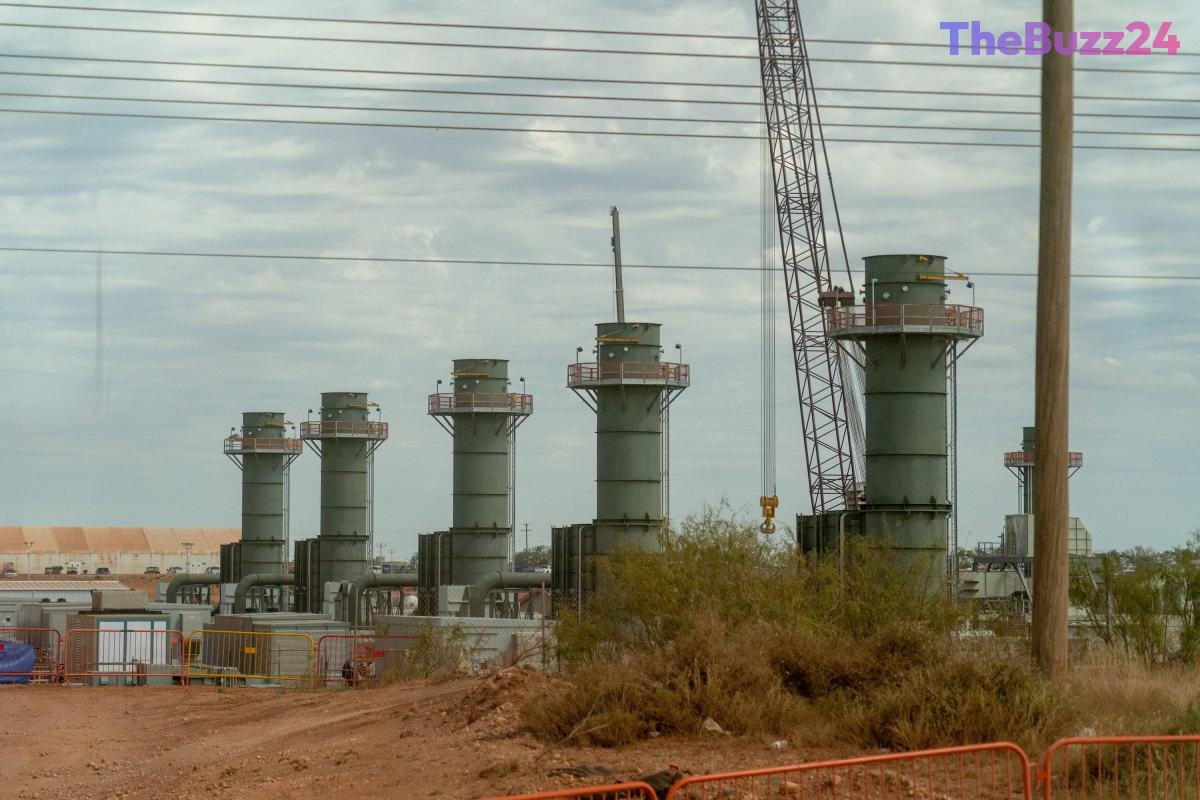
OpenAI is navigating a period of significant internal transition following the departure of Chris Malone, the company’s head of data centers. Malone, who joined the organization last year after lengthy tenures at industry giants like Google and Meta, played a critical role in shaping the company’s infrastructure strategy. His exit comes at a pivotal time as OpenAI deepens its involvement in massive, multi-billion dollar data center initiatives alongside partners such as Microsoft, Oracle, and Nvidia.
In response to the vacancy, OpenAI stated that it has recently reorganized its infrastructure division to better align with the company’s rapid scaling requirements. The firm emphasized that it maintains a robust team of experienced leaders capable of executing its long-term technical roadmap. Following an internal restructuring, oversight of the data center strategy has been consolidated under vice president Sachin Katti, with several other senior leads continuing to manage build and engineering programs.
Malone’s departure is part of a broader trend of high-level turnover at the AI lab, which has seen over a dozen senior executives exit their roles throughout the year. This wave of departures includes key figures in operations, revenue, and safety, as well as leadership from specialized projects like the Sora image generator. While company leadership has suggested that the intense public scrutiny on OpenAI amplifies the perception of these exits, the consistent churn has fueled ongoing speculation regarding the company’s internal stability.
As the organization prepares for a potential public offering, now reportedly delayed until 2027, the loss of veteran talent has drawn increased attention from investors and industry analysts. Questions regarding the company’s valuation, profitability, and the sustainability of its massive capital expenditures remain at the forefront of discussions. The ability of the remaining leadership team to maintain momentum while navigating this period of organizational flux will be a critical factor in the company’s future trajectory.
Key Takeaways
- Chris Malone, the head of data centers, has left OpenAI amid a broader trend of high-profile executive departures.
- OpenAI has reorganized its infrastructure division to consolidate leadership and support the company's aggressive scaling goals.
- The ongoing talent flight has raised concerns among observers as the company navigates a delayed IPO timeline and questions regarding its valuation.
Editor’s Analysis & Impact
The persistent exodus of senior leadership at OpenAI signals a potential cultural or strategic friction point that often accompanies the transition from a research-focused startup to a massive, capital-intensive enterprise. For the AI industry, this turnover is particularly significant because it involves the architects of the physical infrastructure required to sustain large language models. As OpenAI faces pressure to justify its massive valuation ahead of a potential IPO, the loss of institutional knowledge could pose risks to project continuity and operational efficiency. Investors are likely to view this instability as a red flag, potentially impacting the company’s leverage in future funding rounds. The company’s ability to retain its remaining talent and stabilize its internal structure will be the primary indicator of whether this is a natural phase of corporate maturation or a sign of deeper systemic challenges.
Frequently Asked Questions
Q: Why is the departure of the head of data centers significant for OpenAI?
A: The head of data centers oversees the physical infrastructure required to train and run advanced AI models. Given the massive industry-wide investment in AI hardware, this role is critical to the company's ability to scale its operations and remain competitive.
Q: How has OpenAI responded to the recent wave of executive departures?
A: OpenAI has characterized the changes as part of a broader organizational restructuring designed to support the company's pace of work. They maintain that they have a deep bench of experienced leaders who are fully capable of executing their current plans.
AI Disclosure: This article is based on verified data and official reports. Our Team and AI have cross-referenced every financial detail with primary sources to ensure total accuracy.
More from this Category