Instagram CEO Denies Directing Staff to Conceal Information in Social Media Trial
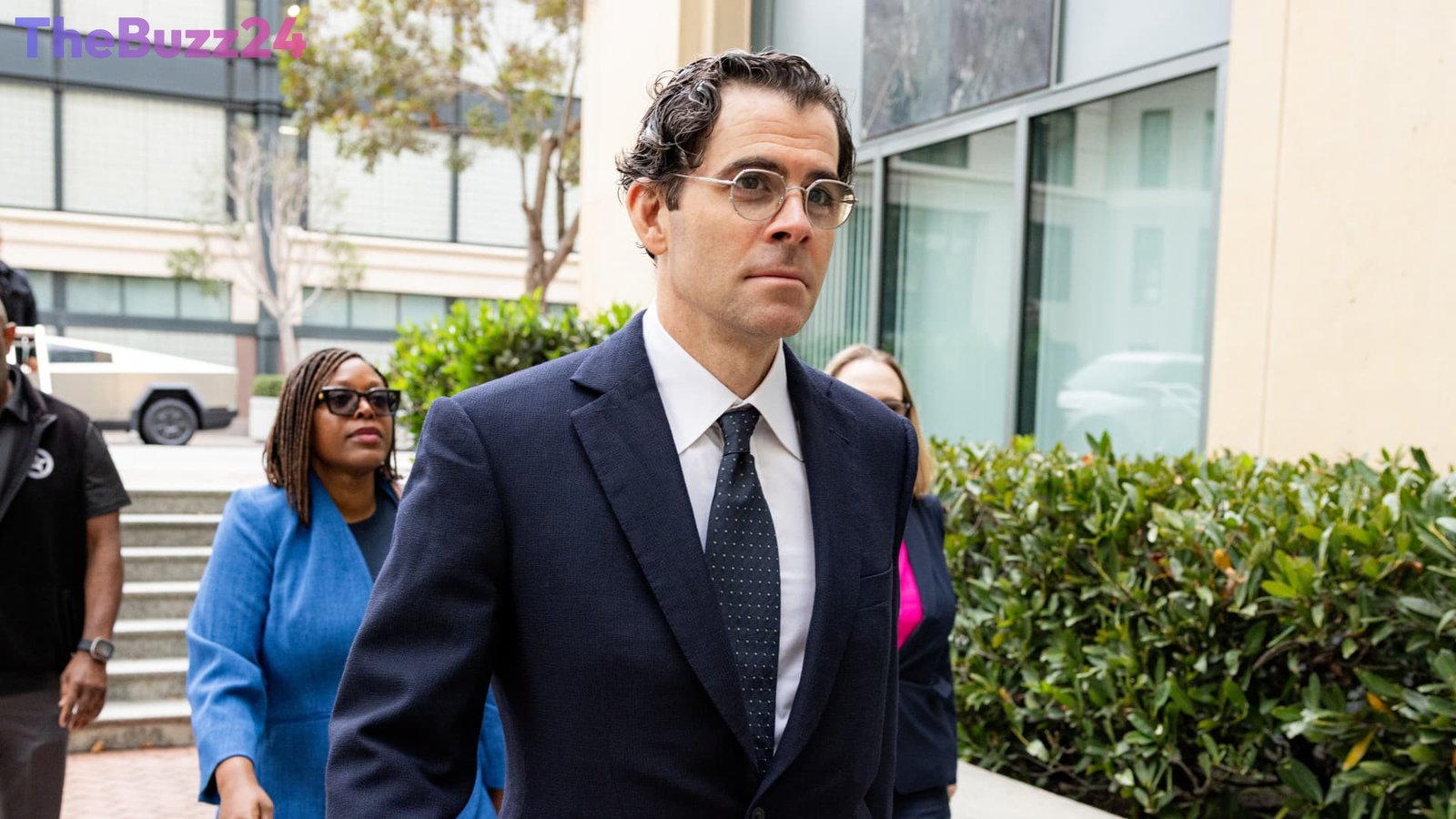
Instagram CEO Adam Mosseri took the stand Tuesday in a significant federal trial examining the alleged mental health impacts of social media on young users. Mosseri asserted that he does not instruct his team to hide any information, particularly concerning potential liabilities for the company.
During his initial day of testimony at the Oakland federal courthouse, Mosseri responded to questions about whether Meta, the parent company of Instagram and Facebook, had directed internal staff to withhold safety research related to children under 13 and teen mental health. Mosseri stated he would not be surprised if Meta’s legal team reviewed such research for legal and policy considerations. However, he expressed that he would be taken aback if the intention behind such reviews was to shield the company from litigation or mislead the public.
The trial, a landmark case against Meta, is being jointly led by the Attorneys General of California, Colorado, New Jersey, and Kentucky, representing a bipartisan coalition of 29 state AGs. The core allegations claim Meta violated the Children’s Online Privacy Protection Act (COPPA) and consumer protection laws, with potential penalties reaching up to $200 billion. Prosecutors argue that Meta executives, including Mosseri and CEO Mark Zuckerberg, have publicly misrepresented the effectiveness of child-safety features and downplayed internal research findings.
Mosseri also addressed changes made to access for internal research following the 2021 leak of documents by whistleblower Frances Haugen. He explained that the company restricted access to certain research to prevent information from being taken out of context, citing the publication of leaked documents by the Wall Street Journal. He refuted claims that Meta reduced the number of researchers studying youth mental health harms, stating that the team was instead centralized, not diminished.
Key Takeaways
- Instagram CEO Adam Mosseri testified in a federal trial regarding social media's impact on youth mental health.
- Mosseri denied instructing employees to conceal information related to potential company liabilities or safety research.
- The trial involves allegations that Meta misrepresented child safety features and internal research, facing potential penalties of up to $200 billion.
Editor’s Analysis & Impact
This trial represents a critical juncture for Meta and the broader social media industry, as it directly confronts allegations of misrepresenting the harms associated with their platforms, particularly to young users. Adam Mosseri’s testimony, while defensive, highlights the ongoing tension between platform growth and user safety. The significant financial penalties sought by the coalition of state Attorneys General underscore the seriousness of these claims. The outcome could set new precedents for platform accountability, data transparency, and regulatory oversight concerning child online safety, potentially influencing future product development and public trust in social media companies.
Frequently Asked Questions
Q: What is the main allegation in the social media addiction trial against Meta?
A: The main allegation is that Meta, the parent company of Facebook and Instagram, publicly misrepresented the extent of child-related mental health harms caused by its apps and violated consumer protection laws, including the Children's Online Privacy Protection Act (COPPA).
Q: What was Adam Mosseri's role in the testimony?
A: Adam Mosseri, the head of Instagram, testified as a key witness. He was questioned about his awareness of Meta's internal practices regarding safety research and whether employees were instructed to withhold information that could pose legal liabilities.
Q: What are the potential consequences for Meta if found liable?
A: If found liable, Meta could face substantial penalties, with the coalition of state Attorneys General seeking up to $200 billion in fines.
AI Disclosure: This article is based on verified data and official reports. Our Team and AI have cross-referenced every financial detail with primary sources to ensure total accuracy.
More from this Category