Understanding Your Credit Score: Current Trends and Strategies for Improvement
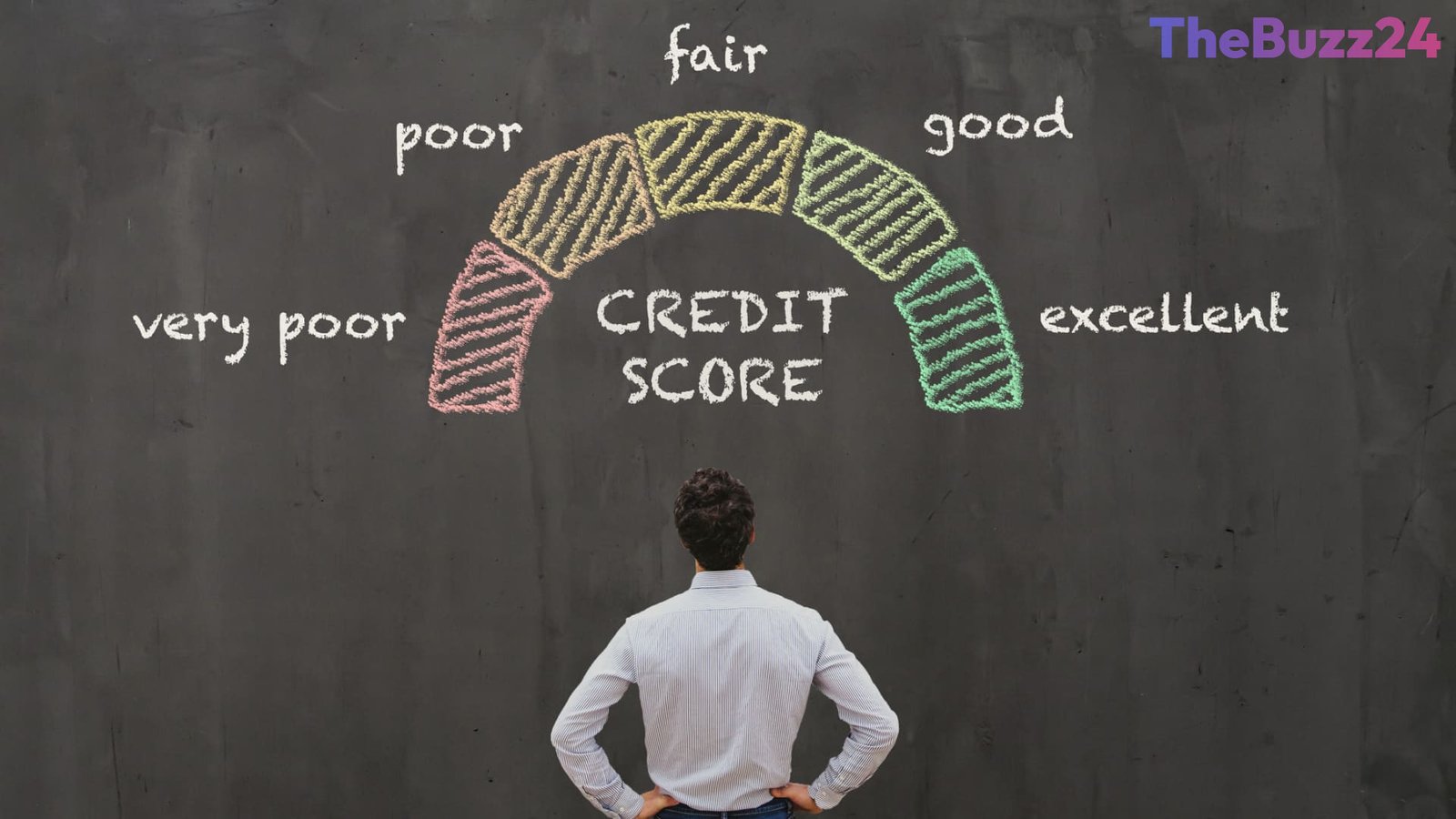
In the modern financial landscape, a credit score serves as the primary gatekeeper for essential services, including mortgage approvals, auto loans, and credit card eligibility. As of mid-2026, the average FICO score stands at 714. While this figure remains within the ‘good’ range, it reflects a slight downward trend from previous years, influenced by rising interest rates and the resumption of student loan repayment obligations. Maintaining a strong score is critical, as it directly dictates the interest rates consumers pay and their overall borrowing power.
Credit scores are calculated using a complex algorithm that weighs several key behaviors. Payment history remains the most significant factor, accounting for 35% of the total score, followed closely by credit utilization at 30%. Other elements, such as the length of credit history, the frequency of new credit applications, and the diversity of credit types, round out the remaining 35%. Because these scores are used in the vast majority of U.S. lending decisions, even minor fluctuations can have a substantial impact on a consumer’s financial health.
For those looking to bolster their credit standing, the most effective strategy is to prioritize on-time payments and manage credit utilization ratios. Experts suggest that consumers should regularly review their credit reports from all three major bureaus to identify and dispute potential errors, such as incorrectly reported debts or fraudulent accounts. By avoiding unnecessary new credit inquiries and keeping balances low relative to total limits, individuals can steadily improve their scores over time, positioning themselves for more favorable lending terms in the future.
Key Takeaways
- The average FICO score is currently 714, which is considered a 'good' rating but has seen a slight decline due to economic pressures like rising interest rates.
- Payment history and credit utilization are the two most influential factors in determining a credit score, together accounting for 65% of the total calculation.
- Regularly monitoring credit reports for errors and maintaining low balances on revolving credit lines are the most effective ways to improve or protect a credit score.
Editor’s Analysis & Impact
The current stagnation in average credit scores reflects a broader tightening of the consumer economy. As interest rates remain elevated and the burden of student debt returns to the forefront, households are finding it increasingly difficult to maintain the high utilization ratios that characterized the pandemic era. Looking ahead, the industry is likely to see a greater emphasis on alternative data in credit scoring models to provide a more nuanced view of borrower reliability. For consumers, the implication is clear: financial literacy and proactive credit management are no longer optional. As lenders become more risk-averse, those with ‘fair’ or ‘good’ scores may face stricter scrutiny, making the maintenance of a high score a vital component of long-term wealth preservation and access to capital.
Frequently Asked Questions
Q: What is considered a good credit score?
A: A FICO score of 670 to 739 is generally considered good. Scores of 740 and above are typically categorized as very good to exceptional.
Q: How can I quickly improve my credit score?
A: The fastest ways to improve your score are to ensure all payments are made on time, pay down existing revolving debt to lower your credit utilization ratio, and request a credit limit increase from your card issuer to further improve that ratio.
AI Disclosure: This article is based on verified data and official reports. Our Team and AI have cross-referenced every financial detail with primary sources to ensure total accuracy.
More from this Category