Federal Judge Halts Trump’s Mail-In Voting Restrictions Ahead of Midterm Elections
A federal judge has temporarily blocked the Trump administration’s efforts to restrict mail-in voting, delivering a significant blow to the White House just days before states begin mailing out ballots for the upcoming midterm elections. U.S. District Court Judge Indira Talwani issued a two-week injunction against the executive order, pausing a directive that has sparked intense legal battles across the country. The decision marks the second time the controversial policy has been stalled, setting up a potential fast-track appeal to the Supreme Court.
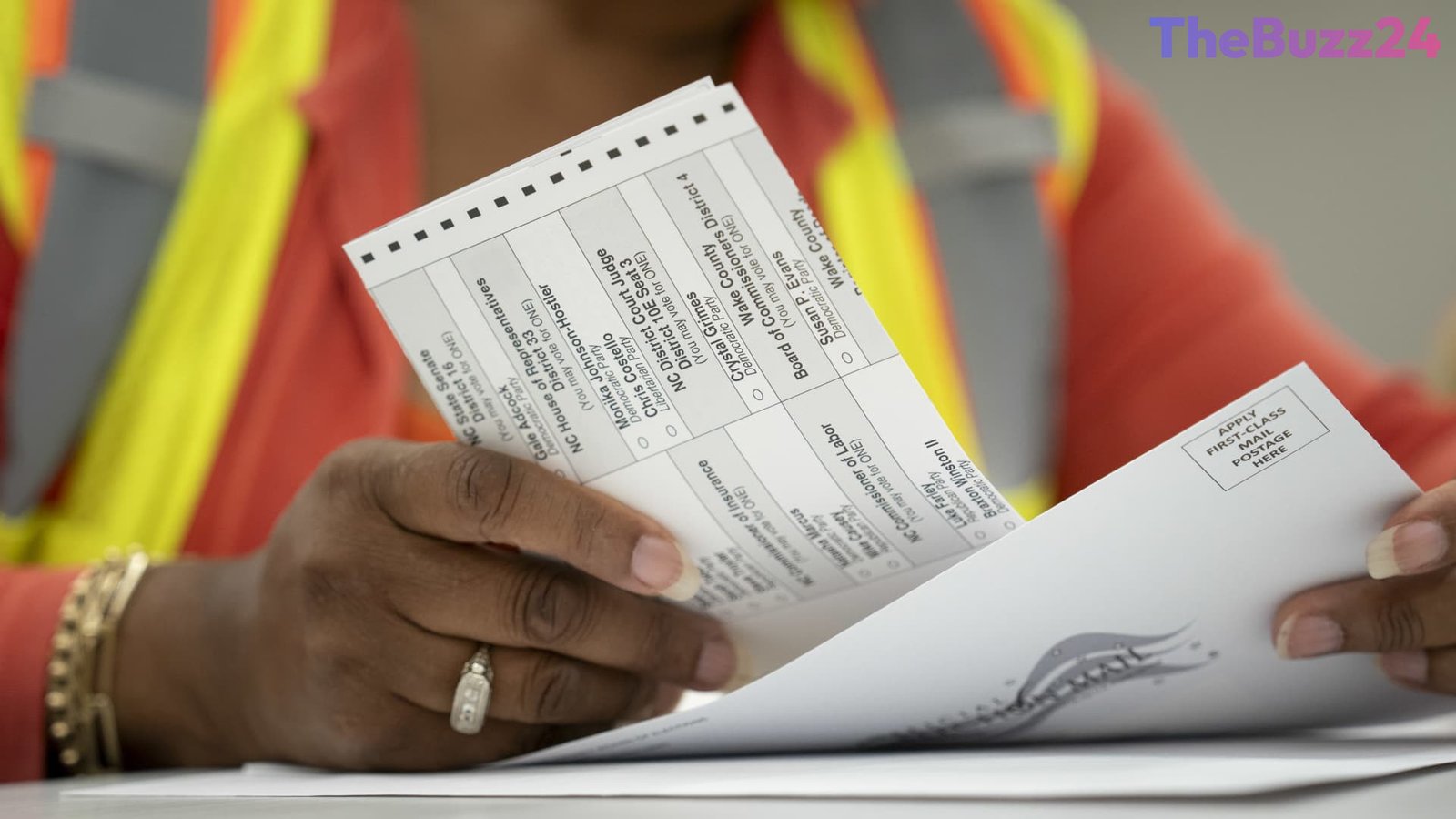
The latest legal clash erupted after the administration finalized a formal rule through the United States Postal Service (USPS). Under these new guidelines, the USPS would refuse to deliver mail-in ballots unless states complied with strict new requirements, including submitting voter lists and adhering to specific envelope designs. Voting rights advocates and Democratic attorneys general quickly refiled their lawsuits, arguing that states lack the time and financial resources to overhaul their election infrastructure, redesign ballots, and train local officials before the fast-approaching elections.
Opponents of the executive order argue that the administration’s directives violate the U.S. Constitution, which designates the authority to regulate elections to state governments and Congress, rather than the executive branch. New York Attorney General Letitia James praised the court’s intervention, calling the federal rule an unconstitutional attempt to interfere with state-run elections. Proponents of the restrictions, however, maintain that the measures are necessary to secure the voting process, despite research—including a 2025 Brookings Institution study—showing that mail-in voting fraud is exceedingly rare.
With nearly a third of American voters relying on mail-in ballots, the outcome of this legal battle could heavily influence voter turnout and election administration in the midterms. A crucial court hearing is scheduled for September 3, where both sides will present arguments that could determine the ultimate fate of mail-in voting procedures for the upcoming election cycle.
Key Takeaways
- U.S. District Judge Indira Talwani blocked President Trump's executive order restricting mail-in voting for two weeks, just ahead of the midterm elections.
- The legal dispute centers on a new USPS rule requiring states to submit voter lists and format ballot envelopes in a specific manner to guarantee delivery.
- Opponents argue the executive branch is overstepping its constitutional authority, as election administration is historically managed by states and Congress.
Editor’s Analysis & Impact
The ongoing legal battle over mail-in voting highlights a deep constitutional tension between executive authority and state-level election administration. By attempting to enforce strict USPS delivery guidelines, the administration sought to bypass traditional legislative channels, prompting immediate pushback from state officials who face severe logistical and financial constraints. If these restrictions are ultimately upheld, they could disrupt election preparations in dozens of states, potentially disenfranchising voters who rely on mail-in systems. Conversely, a permanent block on the executive order would reinforce the constitutional precedent that states hold primary authority over election procedures. As the case likely heads back to the Supreme Court, the ruling will not only shape the upcoming midterms but also set a critical precedent for federal involvement in local election logistics.
Frequently Asked Questions
Q: Why did the judge block the executive order?
A: Judge Indira Talwani blocked the order because states do not have the time or budget to redesign ballots, update election management systems, and train staff to comply with the new USPS requirements before the midterms.
Q: What are the new USPS requirements for mail-in ballots?
A: The finalized rule requires states to provide a list of voters eligible to receive mail-in ballots and to format the ballot envelopes according to specific federal guidelines to ensure delivery.
Q: Who has the constitutional authority to set election rules?
A: Under the U.S. Constitution, the authority to establish and regulate election procedures is granted to individual states and, in certain instances, Congress, rather than the president or federal agencies.
AI Disclosure: This article is based on verified data and official reports. Our Team and AI have cross-referenced every financial detail with primary sources to ensure total accuracy.
More from this Category