US Treasury Targets Banque Misr UAE in Major Crackdown on Iran’s Shadow Banking Network
The United States Treasury Department has taken decisive action against the United Arab Emirates branch of Egypt’s Banque Misr, moving to revoke its access to the U.S. financial system. The penalty comes after investigations revealed the institution facilitated approximately $1.8 billion in transactions over a two-year period for around 100 entities suspected of operating within Iran’s illicit shadow banking network. This move marks a significant escalation in Washington’s efforts to isolate Tehran financially.
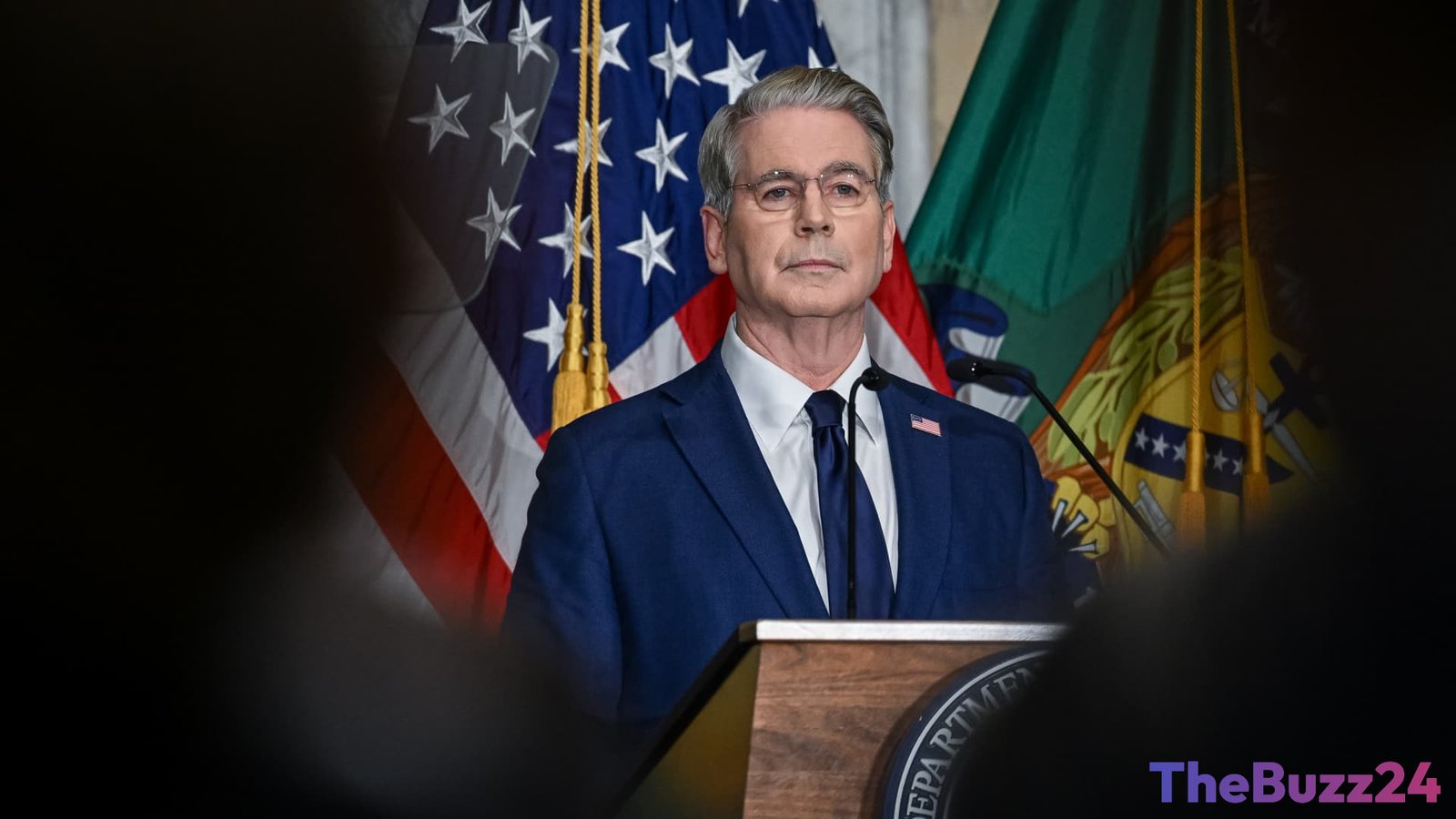
The enforcement action is a key component of “Operation Economic Outcast,” a newly launched sanctions campaign spearheaded by Treasury Secretary Scott Bessent. The initiative aims to systematically dismantle Iran’s global economic connections. Alongside the action against Banque Misr UAE, the Treasury also blacklisted Reza Mohammad Taeedi, the general manager of Iran’s Bank Melli branch in Dubai, and sanctioned Kameng Trading Ltd., a Hong Kong-based firm accused of laundering funds for an Iranian exchange house.
While the administration under President Donald Trump has likened this aggressive economic pressure campaign to a modern-day “D-Day” against Iran’s financial lifelines, some analysts view the initial steps as relatively measured. A primary focus remains on Iran’s crude oil exports, which heavily rely on Chinese buyers. Despite a U.S. Navy blockade in the Strait of Hormuz choking off supply lines, millions of barrels of Iranian oil remain stalled on tankers in Asian waters waiting to unload.
Looking ahead, the U.S. government has signaled that foreign financial institutions aiding Iran’s oil trade will face severe consequences, regardless of their home country. Treasury Secretary Bessent emphasized that no global entity is immune to U.S. jurisdiction if they participate in the ecosystem that converts Iranian oil into liquid capital, warning that Chinese institutions could be next in the crosshairs if they continue to facilitate these transactions.
Key Takeaways
- Banque Misr UAE is losing access to the U.S. financial system after processing $1.8 billion for entities linked to Iran's shadow banking network.
- The sanctions are part of "Operation Economic Outcast," a broad U.S. Treasury campaign designed to completely sever Iran's global economic ties.
- The U.S. has warned that international institutions, including those in China, will face sanctions if they facilitate transactions involving Iranian oil.
Editor’s Analysis & Impact
The Treasury’s move against Banque Misr UAE signals a highly aggressive shift in U.S. secondary sanctions enforcement, targeting established Middle Eastern financial hubs. By cutting off a prominent Egyptian bank’s UAE branch from the U.S. financial system, Washington is sending a clear message to global banks: compliance is non-negotiable, and indirect exposure to Iranian capital carries existential risks. This action will likely force financial institutions across the Gulf and Asia to drastically tighten their compliance protocols and scrutinize transaction flows for potential shell companies. Furthermore, the explicit warning directed at Chinese institutions indicates that the U.S. is prepared to risk diplomatic and economic friction with Beijing to enforce its energy blockade. In the long term, this could accelerate the development of alternative, non-dollar-denominated clearing systems among sanctioned states and their trading partners, potentially diluting the long-term efficacy of U.S. financial leverage.
Frequently Asked Questions
Q: Why is the U.S. Treasury sanctioning Banque Misr UAE?
A: The U.S. Treasury is revoking the bank's access to U.S. financial institutions because it allegedly processed $1.8 billion over two years for approximately 100 companies tied to Iran's shadow banking network.
Q: What is "Operation Economic Outcast"?
A: It is a newly launched sanctions campaign led by U.S. Treasury Secretary Scott Bessent aimed at completely severing Iran's economic and financial connections worldwide.
Q: Will other countries be affected by these sanctions?
A: Yes. The U.S. has blacklisted individuals and entities in Dubai and Hong Kong, and has explicitly warned Chinese financial institutions that they will be targeted if they facilitate transactions involving Iranian oil.
AI Disclosure: This article is based on verified data and official reports. Our Team and AI have cross-referenced every financial detail with primary sources to ensure total accuracy.
More from this Category