Nepal Urgently Appeals for Billions and Technical Aid Following Catastrophic Himalayan Floods
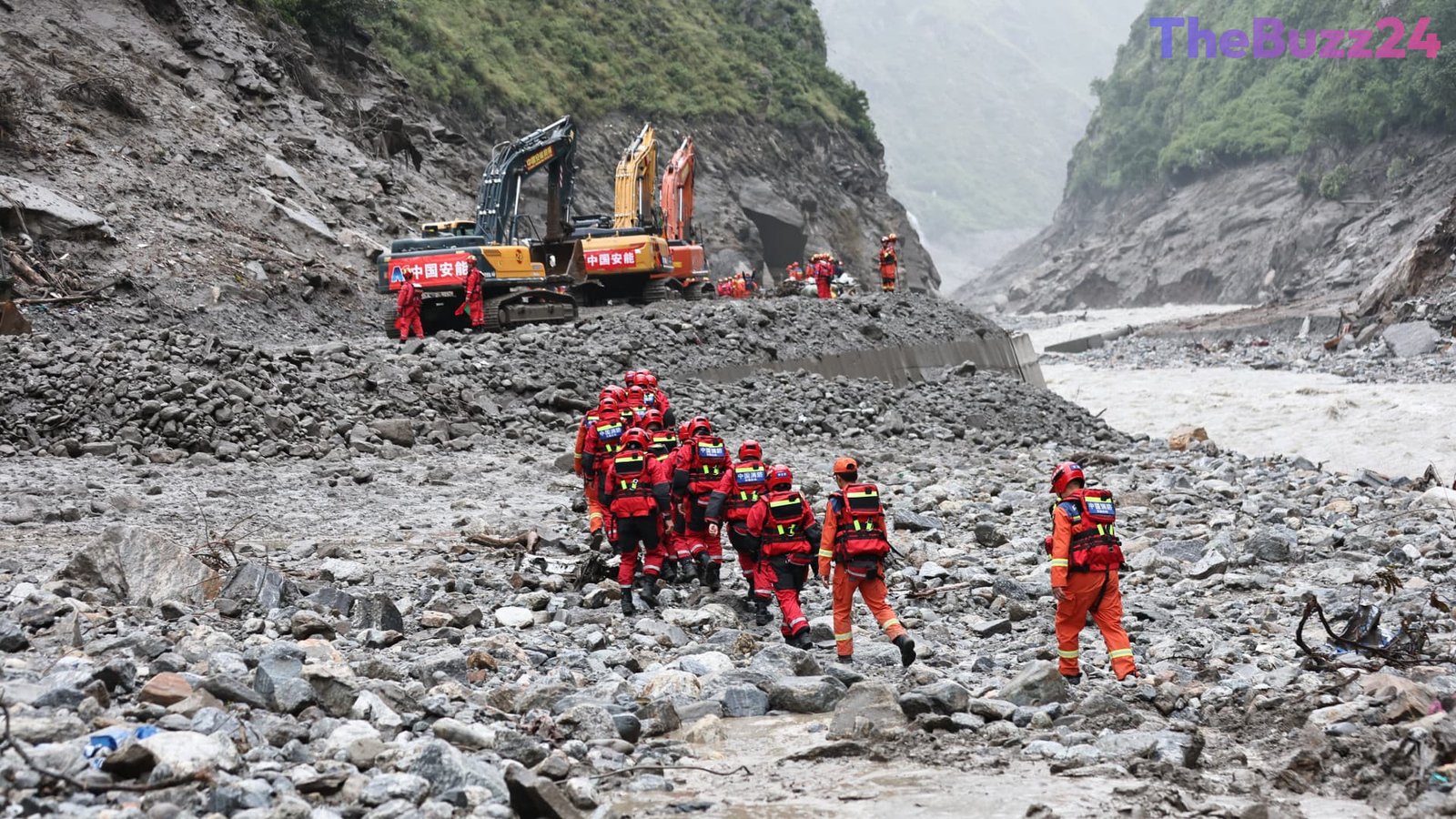
Search and rescue operations in Nepal were temporarily halted as persistent rain and heavy fog severely hampered efforts to reach survivors following a devastating glacial flood that tore through regions bordering Tibet. The disaster, triggered by a massive glacier collapse, sent a roaring torrent of rock, ice, mud, and debris through mountain river systems, destroying critical infrastructure including buildings, bridges, and power stations.
Authorities estimate that the impoverished Himalayan nation will require between $4 billion and $5 billion for comprehensive reconstruction and recovery efforts. The catastrophe has claimed hundreds of lives, while thousands remain unaccounted for, encompassing numerous foreign visitors and pilgrims. Due to the passage of time and adverse weather conditions, many recovered remains have begun to decompose, prompting officials to implement emergency burial protocols following DNA collection to mitigate health hazards and prevent potential disease outbreaks.
In the capital city of Kathmandu, anxious families have converged on medical facilities to search for missing loved ones using photographic records of recovered victims. Meanwhile, international response efforts are ramping up. Neighboring nations have begun dispatching vital relief supplies, including medical shipments, food, and specialized personnel to assist with tunnel rescues and infrastructure restoration. While immediate search operations remain constrained by the weather, government officials emphasize an urgent requirement for specialized foreign technical assistance, DNA testing capabilities, and long-term storage solutions for recovered remains as the region begins a long and difficult path toward recovery.
Key Takeaways
- Nepal has temporarily suspended search and rescue missions due to heavy rain and dense fog in the disaster zones.
- The nation estimates a staggering $4 billion to $5 billion will be required to rebuild following the glacial-collapse flood.
- International allies are stepping in with humanitarian aid, relief supplies, and offers of specialized technical rescue teams.
Editor’s Analysis & Impact
The catastrophic flooding in Nepal highlights the escalating vulnerabilities of Himalayan communities to climate-induced glacial hazards. Beyond the immediate humanitarian crisis, the disaster exposes severe infrastructure deficits that could hinder regional stability and tourism for years. The estimated $4 billion to $5 billion rebuilding cost places a massive fiscal burden on Nepal’s developing economy, necessitating sustained international financial aid and resilient engineering practices. As melting glaciers accelerate due to shifting global weather patterns, transboundary water monitoring and early-warning systems between nations like Nepal, China, and India will become paramount to preventing future large-scale catastrophes.
Frequently Asked Questions
Q: What triggered the catastrophic flood in Nepal?
A: The flood was triggered by a massive glacier collapse that sent a torrent of rock, ice, mud, and debris hurtling through mountain river systems.
Q: How much financial assistance does Nepal estimate it needs for recovery?
A: Initial estimates from government officials indicate that Nepal will need between $4 billion and $5 billion to rebuild infrastructure and recover from the disaster.
Q: Why were some recovered bodies buried without traditional identification?
A: Due to the time elapsed since the disaster and tropical conditions, some bodies decomposed beyond immediate recognition. Authorities collected DNA samples and conducted legal formalities before burial to prevent health risks and potential epidemics.
AI Disclosure: This article is based on verified data and official reports. Our Team and AI have cross-referenced every financial detail with primary sources to ensure total accuracy.
More from this Category