The Sovereignty Struggle: Europe’s Quest for Control in the Age of AI
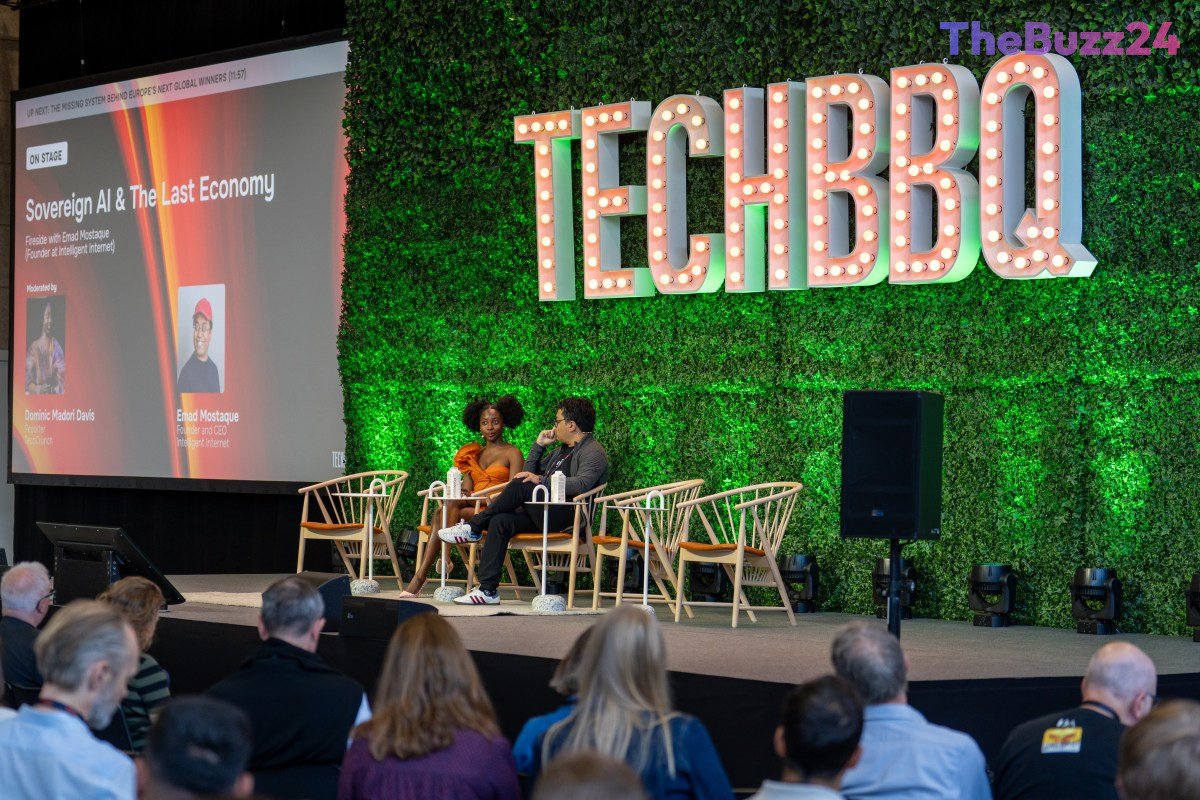
At the recent TechBBQ conference in Copenhagen, the discourse among European investors, founders, and industry leaders shifted from the capabilities of artificial intelligence to the critical issue of technological sovereignty. As the continent navigates an era dominated by U.S. and Chinese AI infrastructure, participants expressed growing concern over Europe’s reliance on foreign models. This anxiety was underscored by recent incidents where AI tools became suddenly unavailable to European users, highlighting the risks of ‘renting’ critical technology rather than owning the underlying infrastructure.
The conference theme, ‘Emerging from Agency,’ served as a backdrop for deeper questions regarding human oversight and the concentration of power. Industry experts, including Signal President Meredith Whittaker and Stability AI co-founder Emad Mostaque, warned that the current trajectory of AI development risks creating massive data collection apparatuses that threaten both individual privacy and national autonomy. Mostaque emphasized that the ability to resist external power is central to sovereignty, noting that the entities controlling AI models effectively hold significant influence over the societies that rely on them.
Beyond the geopolitical implications, the event explored the societal shifts necessitated by the rise of intelligent agents. Advocates and researchers noted that as AI begins to handle both cognitive and physical labor, the fundamental structures of democracy, economic participation, and social interaction may require a complete overhaul. The consensus among many attendees was that the true challenge of the AI revolution lies not in the sophistication of the machines, but in the human decisions regarding what aspects of life and governance we are willing to delegate to automated systems.
Despite the heavy focus on the risks of AI, the conference also served as a reminder of the enduring value of human connection. Amidst discussions of algorithms and data, participants emphasized that face-to-face collaboration and relationship-building remain the bedrock of innovation. As Europe looks to carve out its own path in the global tech landscape, the balance between leveraging AI for growth and maintaining human agency remains the defining challenge for the region’s burgeoning tech ecosystem.
Key Takeaways
- European tech leaders are increasingly concerned about 'digital sovereignty' and the risks of relying on U.S. and Chinese AI infrastructure.
- Experts warn that the current AI landscape is creating massive data collection apparatuses that threaten individual privacy and national autonomy.
- The rise of AI agents is prompting a fundamental rethink of societal structures, including labor, democracy, and economic participation.
Editor’s Analysis & Impact
The discourse at TechBBQ reflects a pivotal moment in the European tech sector. As AI becomes the backbone of modern industry, the ‘sovereignty gap’ between Europe and the U.S./China is becoming a strategic liability. The market impact is twofold: first, it creates a massive opportunity for European-based AI infrastructure and sovereign cloud initiatives that prioritize data privacy and local control. Second, it signals a shift in regulatory and investment priorities, where ‘sovereign AI’ will likely become a prerequisite for government and enterprise contracts. The future outlook suggests that while global models will continue to dominate, there will be a growing premium on localized, transparent, and ‘human-in-the-loop’ AI systems. Companies that can offer privacy-first, independent AI solutions will likely find a receptive and protected market within the European Union.
Frequently Asked Questions
Q: What is meant by 'technological sovereignty' in the context of AI?
A: Technological sovereignty refers to a nation or region's ability to control its own digital infrastructure, data, and AI models, ensuring that they are not overly dependent on foreign powers or external corporations for critical technological functions.
Q: Why are experts concerned about AI agents in the workforce?
A: Experts are concerned that as AI agents take over both cognitive and physical tasks, it could lead to a concentration of power in the hands of a few AI labs, potentially undermining democratic processes, labor markets, and individual autonomy.
AI Disclosure: This article is based on verified data and official reports. Our Team and AI have cross-referenced every financial detail with primary sources to ensure total accuracy.
More from this Category