Retailers Split on Tariff Windfalls: Price Cuts vs. Profit Boosts Create Market Confusion
Retailers across the nation are navigating a complex financial landscape after receiving substantial tariff refunds, a direct consequence of a Supreme Court ruling that invalidated President Donald Trump’s duties. This influx of capital, which began flowing into company coffers during the second quarter, has led to a significant divergence in how these funds are being utilized and reported, creating a murky picture for investors and consumers alike. While some companies have explicitly channeled the extra cash into lowering consumer prices, others have opted to bolster their profit margins or invest internally, reflecting varied strategic priorities and market positioning.
Several prominent retailers have publicly committed to passing on the tariff savings to their customers. Home Depot, for instance, reported a $730 million tariff refund, allocating approximately $685 million to reduce the cost of goods sold, thereby contributing to a 0.3% increase in its gross margin. Similarly, Walmart, which was eligible for roughly $2.9 billion in refunds, confirmed plans to use these funds to lower prices for consumers, with the impact expected to be visible in the current fiscal third quarter. TJX Cos. also stated that its $331 million in refunds benefited its second-quarter cost of sales. Experts suggest that value-driven operators often have a strategic incentive to apply such funds to pricing, aiming to reinforce their market position and attract price-sensitive shoppers.
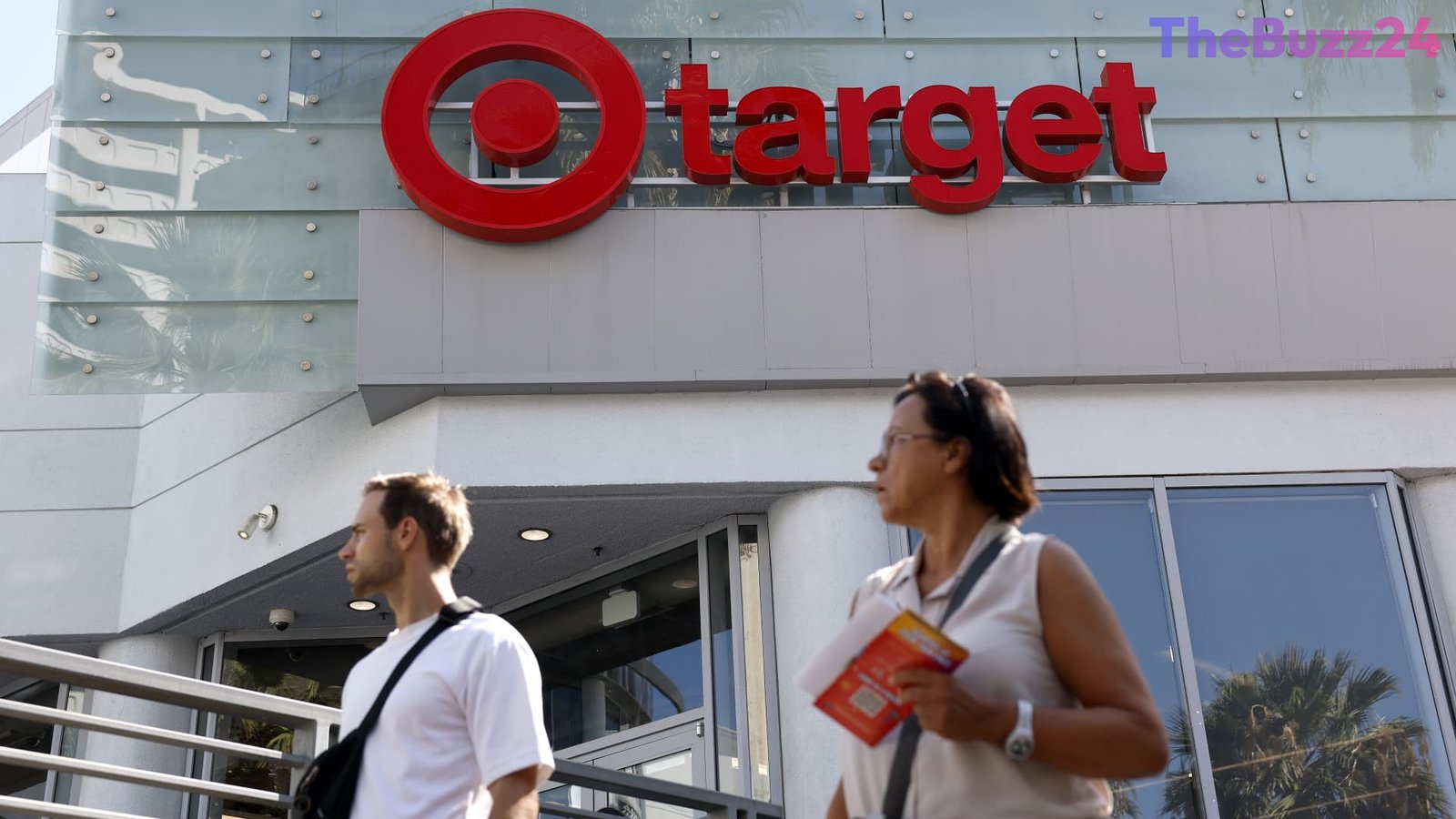
Conversely, other major players have prioritized shareholder returns and internal investments. Lowe’s, for example, reported an $80 million refund, which contributed an 11-cent boost to its second-quarter earnings per share. CEO Marvin Ellison indicated no plans to use these funds for price reductions, emphasizing a focus on delivering strong profitability for shareholders. Target, while noting price reductions on over 10,000 items, attributed a substantial $752 million boost to net earnings and a $994 million pretax benefit to its gross margin and operating income directly to tariff refunds. Kohl’s CEO Michael Bender confirmed that $100 million of their refunds were directed to gross margin in the second quarter, with the remainder earmarked for inventory investments, underscoring a disciplined approach to capital allocation.
This varied approach to reporting and utilizing tariff refunds has introduced considerable complexity into retailers’ earnings reports, making it challenging for Wall Street to accurately assess underlying business strength and future outlooks. The one-time nature of these boosts also sets a higher bar for year-over-year comparisons in subsequent quarters, potentially creating an “unfair negative comparison” next year. For consumers, quantifying the direct impact of these refunds on prices remains difficult amidst broader inflationary pressures like rising fuel costs. However, the situation may also be prompting retailers to develop more diverse and agile supply chains, a potential long-term benefit. Ultimately, the decision on how to deploy these windfalls often boils down to a retailer’s core brand perception and its strategic appeal to its target customer base.
Key Takeaways
- Retailers are handling significant tariff refunds differently, either by lowering consumer prices or boosting profit margins and investments.
- Companies like Home Depot, Walmart, and TJX Cos. have used refunds to reduce costs and prices, while Lowe's, Target, and Kohl's have focused on enhancing earnings and internal investments.
- This divergence creates confusion for investors trying to assess true financial performance and will impact future year-over-year earnings comparisons.
Editor’s Analysis & Impact
The varied application of tariff refunds by major retailers presents a nuanced challenge for market analysis. While the immediate boost to earnings and margins is positive, it obscures underlying operational performance, making it difficult for investors to discern organic growth from one-time windfalls. This lack of transparency can lead to mispricing of stocks and increased volatility as the market struggles to normalize future expectations. Looking ahead, the “higher bar” set by these inflated earnings will likely result in tougher year-over-year comparisons, potentially creating a perception of slowdown even if core business remains stable. Strategically, the split highlights retailers’ differing priorities: some are leveraging the funds to reinforce value propositions and customer loyalty, while others are prioritizing shareholder returns and long-term operational resilience through investment. This situation underscores the need for clearer financial reporting and a deeper understanding of each company’s long-term strategy beyond short-term gains.
Frequently Asked Questions
Q: What are the tariff refunds mentioned in the article?
A: These are repayments received by retailers after the Supreme Court ruled that President Donald Trump's tariffs, imposed under the International Emergency Economic Powers Act, were unauthorized. This decision led to companies applying for and receiving significant sums of money that they had previously paid in duties.
Q: Why are retailers using these refunds differently?
A: The divergence stems from various strategic decisions. Some retailers, particularly those focused on value, are using the funds to lower prices for consumers to maintain competitiveness and attract shoppers. Others are prioritizing shareholder returns by boosting profit margins, or investing in areas like inventory to strengthen their operational capabilities.
Q: How do these tariff refunds impact consumers?
A: For consumers, the impact is mixed and often difficult to quantify directly. Some retailers explicitly state they are using refunds to cut prices, potentially offering savings. However, broader inflationary pressures can obscure these reductions. In cases where refunds boost margins, consumers may not see direct price benefits.
AI Disclosure: This article is based on verified data and official reports. Our Team and AI have cross-referenced every financial detail with primary sources to ensure total accuracy.
More from this Category