Tensions Escalate in the Persian Gulf as U.S. Strikes Iranian Rocket Launchers on Larak Island
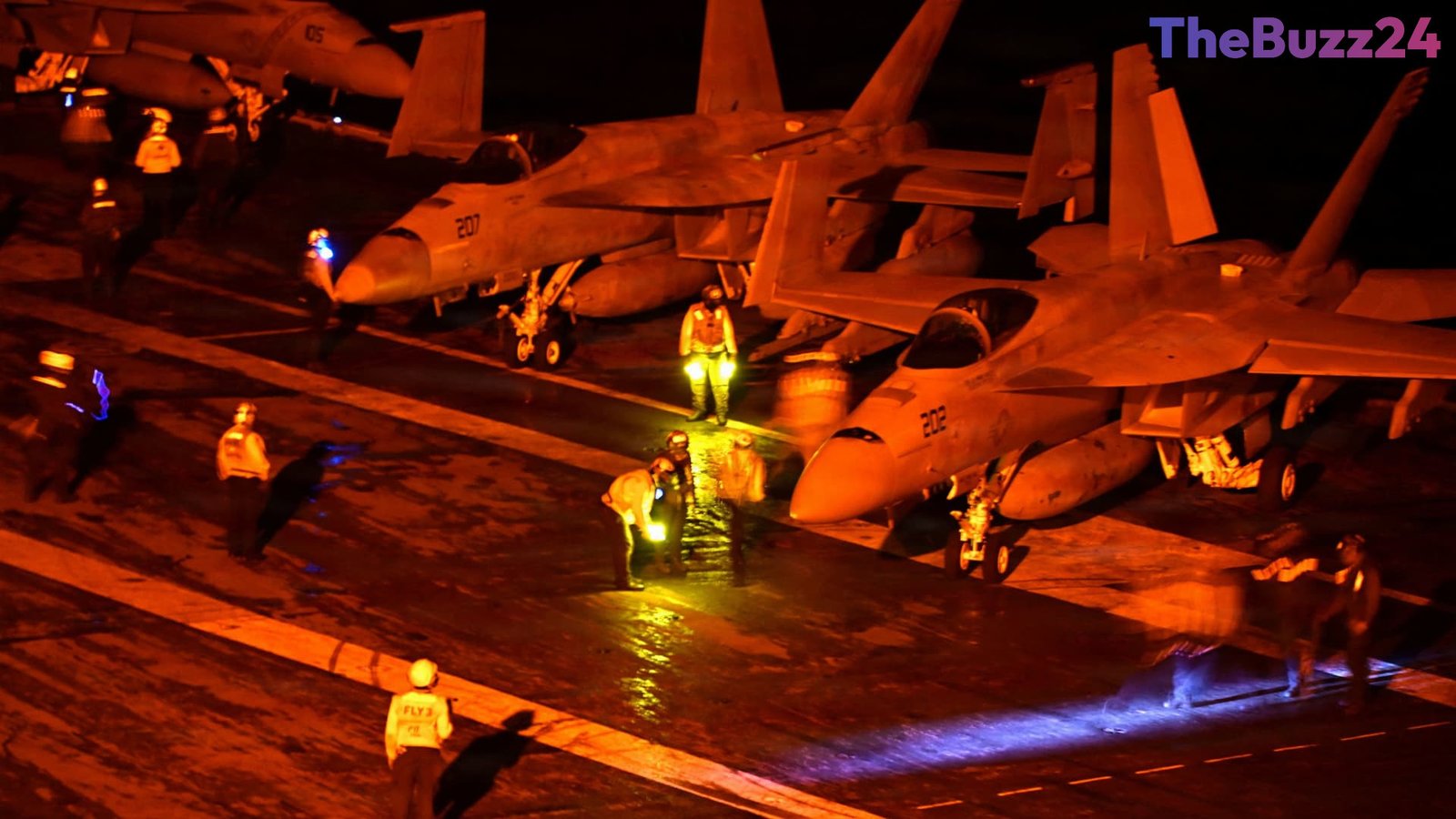
In a significant escalation of regional hostilities, military forces launched a preemptive strike against two Iranian rocket launchers positioned on Larak Island. The operation was initiated after surveillance detected Islamic Revolutionary Guard Corps (IRGC) personnel preparing to deploy rockets equipped with sea mines directly into the critical shipping lanes of the Strait of Hormuz. This defensive action comes shortly after international efforts successfully cleared previously laid sea mines from the strait’s vital commercial pathways.
The targeted strike marks the first publicly acknowledged direct engagement against Iranian military assets in the region since late July. The broader conflict, which has now persisted for six months, continues to cast a shadow over global maritime trade. The Strait of Hormuz serves as a primary artery for international energy shipments, and the ongoing instability has repeatedly forced commercial vessels to reroute, driving up shipping costs and fueling global economic anxieties.
In the wake of the Larak Island bombardment, the IRGC reported casualties among its personnel, stating that several soldiers were killed or wounded. Retaliation was swift, with Iranian forces launching a coordinated barrage of missiles and drones targeting American military installations in neighboring Jordan. The retaliatory strikes focused on the King Hussein and Al Azraq airbases, with reports from the region claiming substantial damage to technical infrastructure, maintenance facilities, and aircraft deployment zones.
Military officials have emphasized that forces remain on high alert, actively monitoring the Persian Gulf to ensure the unhindered flow of global commerce. However, the rapid cycle of strike and counter-strike highlights the fragile security situation in the Middle East, raising fears of a wider, more direct confrontation that could permanently disrupt global energy markets and international security frameworks.
Key Takeaways
- U.S. military forces conducted a preemptive strike on Larak Island, destroying two Iranian rocket launchers prepared to deploy sea mines.
- The incident represents the first acknowledged direct strike on Iranian positions in several months, amid a half-year-long conflict disrupting the Strait of Hormuz.
- Iran retaliated immediately with drone and missile strikes against military bases in Jordan, claiming significant damage to infrastructure.
Editor’s Analysis & Impact
The direct military engagement between U.S. forces and the IRGC on Larak Island marks a dangerous phase of escalation in an already volatile region. By targeting rocket launchers intended to mine the Strait of Hormuz, the military action underscores the critical importance of keeping global energy corridors open. However, Iran’s swift retaliatory strikes on bases in Jordan demonstrate a highly coordinated regional response capability that threatens to draw neighboring nations deeper into the conflict. For global markets, the persistent instability in the Strait of Hormuz—through which a fifth of the world’s petroleum passes—poses a severe risk of supply chain disruptions and energy price volatility. If shipping lanes remain contested, insurance premiums for maritime transport will continue to climb, ultimately impacting global inflation and economic stability.
Frequently Asked Questions
Q: Why is the Strait of Hormuz so important?
A: The Strait of Hormuz is a vital global choke point for maritime transit, handling approximately 20% of the world's petroleum shipments. Any disruption or threat of mining in this waterway directly impacts global energy supplies and oil prices.
Q: What triggered the recent strike on Larak Island?
A: The strike was launched after military surveillance observed Islamic Revolutionary Guard Corps (IRGC) forces preparing to launch rockets carrying sea mines into the international shipping lanes of the Strait of Hormuz.
Q: How did Iran respond to the destruction of its launchers?
A: Iran responded by launching a combined missile and drone attack targeting military installations in Jordan, specifically aiming at the King Hussein and Al Azraq bases, claiming to have caused significant structural damage.
AI Disclosure: This article is based on verified data and official reports. Our Team and AI have cross-referenced every financial detail with primary sources to ensure total accuracy.
More from this Category