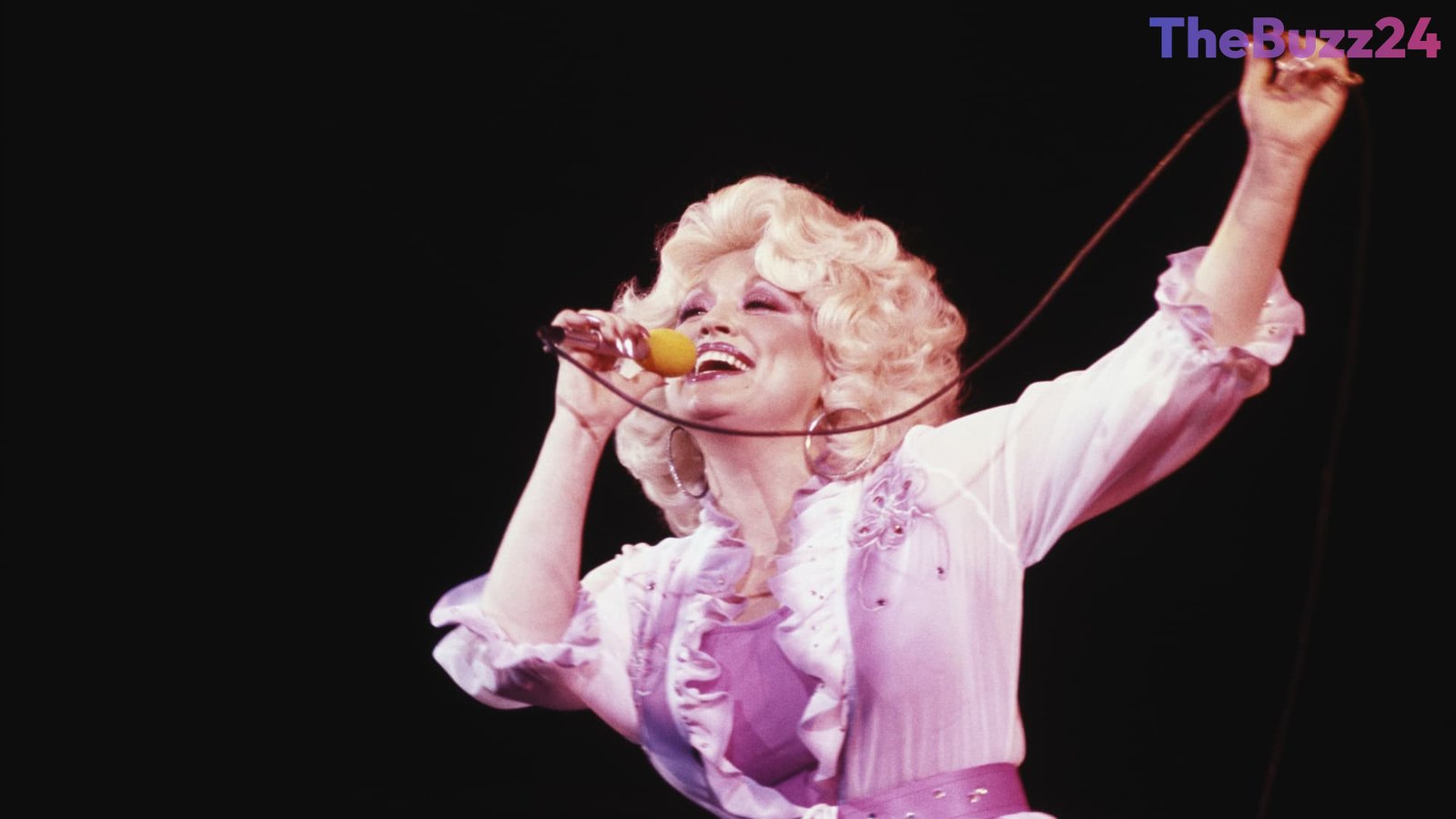
How Dolly Parton’s Iconic ‘Label Upgrade’ Strategy Can Disarm Patronizing Colleagues
Dealing with patronizing behavior in professional environments is a common hurdle, whether the condescension is based on age, experience, or background. However, communication experts point to a legendary exchange between country music icon Dolly Parton and journalist Barbara Walters as the ultimate masterclass in maintaining dignity while disarming an opponent.
During a famous television interview nearly fifty years ago, Walters questioned Parton’s background, asking if her family would be considered “hillbillies.” Rather than becoming defensive or denying her roots, Parton leaned into the term. She agreed with the classification but immediately redefined it, describing her people as possessing “country class” and “horse sense”—recasting a potentially derogatory term into a badge of honor, intelligence, and pride.
This technique, coined by communication expert and author Dorie Clark as the “label upgrade” strategy, offers a practical framework for modern professionals. The strategy consists of two distinct steps: first, acknowledging the factual basis of a critic’s observation, and second, immediately redefining that characteristic as a unique asset. For instance, an employee criticized for lacking corporate experience can frame their background as a source of agility and diverse problem-solving skills.
Ultimately, the power of the label upgrade lies in taking control of the narrative. By refusing to argue against a label and instead choosing to define its meaning, individuals can neutralize condescension and project confidence. Whether navigating corporate boardrooms or high-stakes interviews, owning one’s identity on one’s own terms remains a highly effective tool for professional advancement and self-advocacy.
Key Takeaways
- The 'label upgrade' is a two-step communication technique that involves accepting a factual label and immediately redefining it as a strength.
- Dolly Parton famously demonstrated this strategy during a 1977 interview with Barbara Walters by reframing the term 'hillbilly' to mean proud, intelligent, and practical.
- Professionals can apply this method to disarm condescending remarks about their age, lack of experience, or non-traditional backgrounds.
Editor’s Analysis & Impact
In today’s rapidly evolving corporate landscape, soft skills like emotional intelligence and strategic communication are becoming just as critical as technical expertise. The ‘label upgrade’ strategy highlights a shift in professional development toward self-advocacy and narrative control. As workplaces become more diverse and multi-generational, friction regarding experience levels and backgrounds is inevitable. By adopting reframing techniques, employees can mitigate toxic dynamics without escalating conflict. For organizations, fostering an environment where diverse backgrounds are viewed as assets rather than liabilities can drive innovation. Ultimately, this communication model empowers individuals to dismantle systemic biases and patronizing behavior, paving the way for more inclusive and resilient corporate cultures where unique perspectives are leveraged for collective success.
Frequently Asked Questions
Q: What is the 'label upgrade' strategy?
A: It is a communication technique where you accept a factual observation made by a critic (such as being new to a job or lacking a specific degree) and immediately redefine that characteristic as a unique advantage or strength.
Q: How did Dolly Parton use this strategy?
A: When journalist Barbara Walters asked if her family were 'hillbillies,' Parton agreed but redefined the term to represent people of 'country class' who possess immense pride, intelligence, and common sense.
Q: Can this technique be used in modern corporate settings?
A: Yes. It is highly effective for addressing patronizing comments about inexperience, age, or non-traditional career paths by reframing those traits as sources of fresh perspective, wisdom, or diverse skills.
AI Disclosure: This article is based on verified data and official reports. Our Team and AI have cross-referenced every financial detail with primary sources to ensure total accuracy.
More from this Category