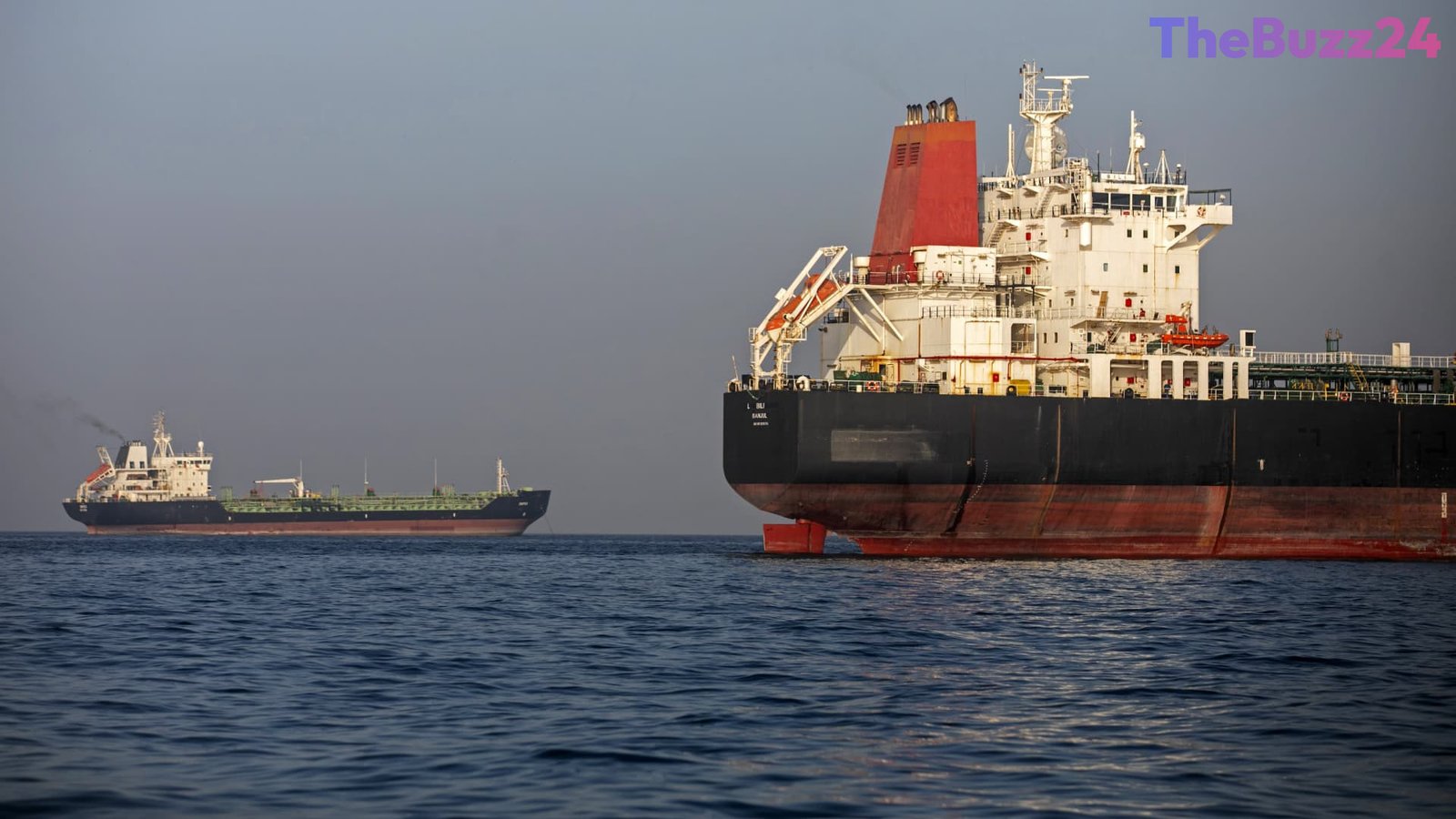
Crude Approaches $90 as Middle East Conflict Escalates Following Regional Strikes
Crude oil benchmarks experienced heightened volatility on Wednesday as geopolitical tensions in the Middle East intensified significantly. Following a recent wave of military operations conducted by the United States against Iran, retaliatory drone and missile strikes were launched targeting regional allies, including Kuwait, Jordan, and Bahrain.
International benchmark Brent crude futures for November delivery experienced a slight decline of 40 cents, settling at $94.27 a barrel during morning trading hours. Meanwhile, U.S. West Texas Intermediate futures for October delivery retreated by 0.7% to trade at $89.62 per barrel, following earlier upward movements in the session.
The military escalations follow statements from U.S. leadership regarding ongoing maritime security concerns in the Strait of Hormuz. U.S. Central Command indicated that the initial offensive actions were initiated in response to provocations directed at commercial shipping lanes and American military personnel operating in the critical waterway. Industry analysts warn that persistent disruptions, combined with ongoing trade sanctions and geopolitical friction, will likely keep global energy markets in a state of heightened anxiety and price instability for the foreseeable future.
Key Takeaways
- U.S. crude prices hover near $90 per barrel amid escalating Middle East military conflicts.
- Iran launched retaliatory drone and missile strikes targeting U.S. allies Kuwait, Jordan, and Bahrain.
- Global energy markets remain highly volatile as tensions threaten critical supply routes like the Strait of Hormuz.
Editor’s Analysis & Impact
The latest escalation in the Middle East highlights the extreme fragility of global energy supply chains, particularly concerning critical maritime corridors like the Strait of Hormuz. As crude prices dance around the $90 threshold, the broader macroeconomic implications point toward renewed inflationary pressures globally. Persistent volatility in energy markets directly impacts transportation, manufacturing, and consumer goods, potentially forcing central banks to rethink monetary policy timelines if high oil prices prove sticky. Looking forward, the duration of the conflict and the security of regional infrastructure will dictate whether crude enters a sustained bullish supercycle or experiences stabilizing corrections.
Frequently Asked Questions
Q: How did oil prices react to the recent Middle East strikes?
A: Oil prices experienced significant intraday volatility. Brent crude dipped slightly to $94.27 a barrel, while U.S. West Texas Intermediate futures fell about 0.7% to $89.62 per barrel after giving up earlier gains.
Q: Which countries were reportedly targeted in the retaliatory strikes?
A: Iran reportedly launched incoming drone and missile strikes targeting U.S. regional allies Kuwait, Jordan, and Bahrain.
Q: What triggered the latest U.S. military actions against Iran?
A: According to the U.S. Central Command, the strikes were a response to attempted attacks by the Islamic Revolutionary Guard Corps (IRGC) against commercial shipping in the Strait of Hormuz and against American service members.
AI Disclosure: This article is based on verified data and official reports. Our Team and AI have cross-referenced every financial detail with primary sources to ensure total accuracy.
More from this Category