US Weighs Semiconductor Tariffs as G20 Summit Highlights AI’s Economic Promise
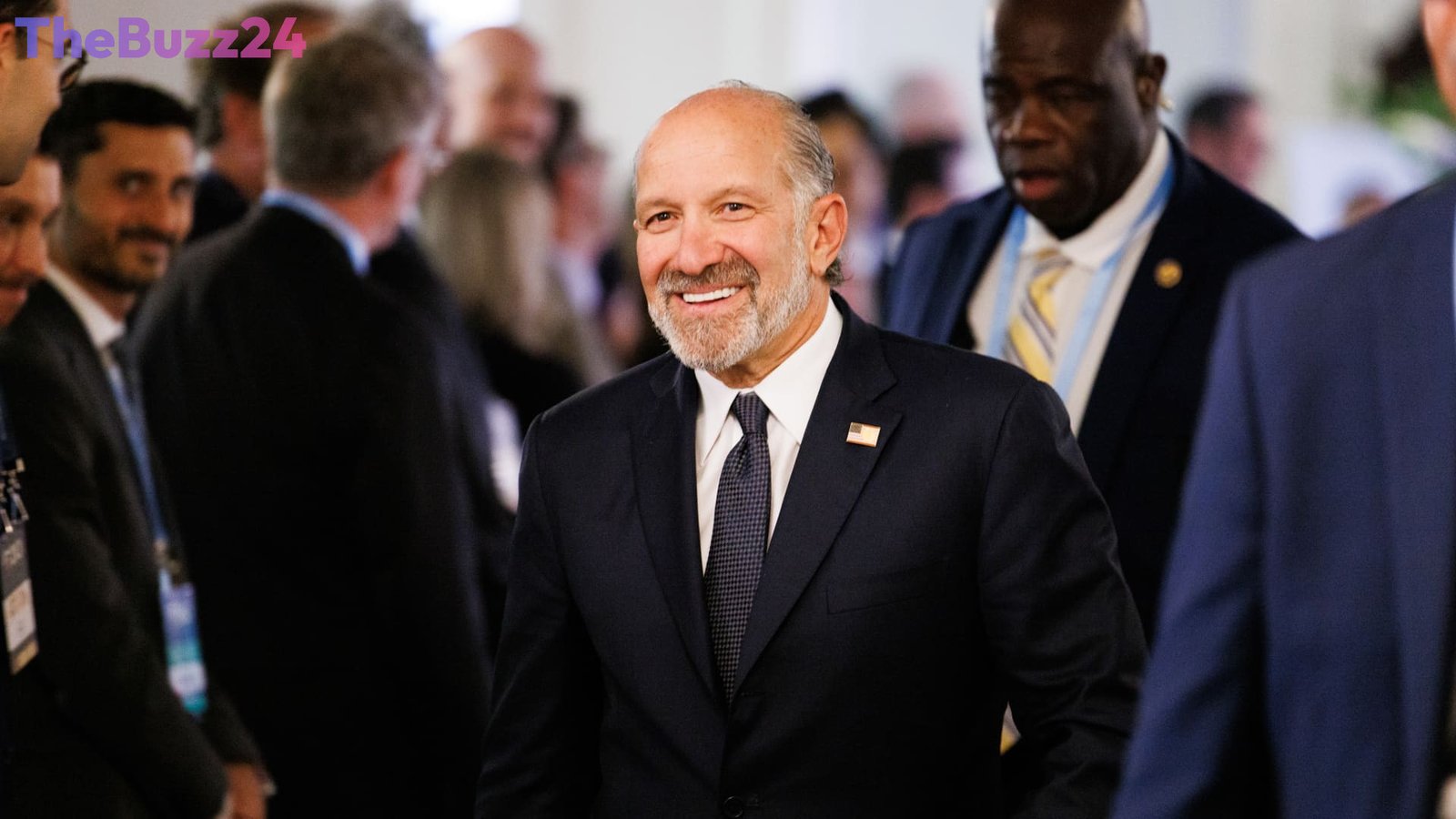
The United States is reportedly preparing to implement new tariffs on semiconductors, a move that could significantly reshape global trade dynamics in the technology sector. Commerce Secretary Howard Lutnick indicated that such measures are forthcoming, suggesting that companies are already aware of the potential policy shift. Lutnick asserted that these tariffs, if reimposed, could stimulate domestic economic growth, reduce budget deficits, and potentially lower bond yields, drawing parallels to former President Trump’s previous tariff strategies.
These discussions coincide with the G20 Innovation Ministerial in Chapel Hill, North Carolina, where leading figures in the technology industry convened. Nvidia CEO Jensen Huang described artificial intelligence as a “great equalizer” with the potential to democratize intelligence globally, emphasizing its capacity to accelerate societal and industrial advancement for nations that invest in it. The event also saw participation from tech leaders like OpenAI CEO Sam Altman and Anthropic Co-Founder Tom Brown, underscoring the growing importance of AI in economic discussions.
While the G20 summit focused on the transformative potential of AI, with figures like Elon Musk predicting a substantial global economic boom driven by the technology, the looming semiconductor tariffs introduce a layer of trade tension. Lutnick’s comments suggest a strategic approach, aiming to incentivize domestic manufacturing by imposing duties on imported chips from companies not producing within the U.S. This policy aims to bolster American production and potentially generate substantial revenue, according to Lutnick’s projections.
Key Takeaways
- The U.S. is reportedly planning to introduce new tariffs on semiconductors, with Commerce Secretary Howard Lutnick suggesting companies are aware of the impending policy.
- Nvidia CEO Jensen Huang hailed AI as a "great equalizer" capable of democratizing intelligence and accelerating global development.
- Discussions at the G20 Innovation Ministerial highlighted AI's potential economic impact, with predictions of significant global growth, while U.S. trade policy signals a focus on domestic semiconductor production.
Editor’s Analysis & Impact
The potential imposition of semiconductor tariffs by the U.S. signals a significant shift towards protectionist trade policies within the technology sector. While proponents argue it will boost domestic manufacturing and economic growth, it risks escalating trade tensions and disrupting global supply chains. Simultaneously, the G20’s focus on AI underscores its burgeoning importance as a driver of future economic expansion. The challenge lies in balancing national industrial strategies with the need for international collaboration and open markets to fully harness AI’s potential. The interplay between these trade policies and technological advancements will be crucial in shaping the global economic landscape in the coming years.
Frequently Asked Questions
Q: What are semiconductor tariffs?
A: Semiconductor tariffs are taxes imposed on imported semiconductor chips. The U.S. is reportedly considering these tariffs to encourage domestic chip manufacturing and potentially generate revenue.
Q: How does AI relate to the G20 Innovation Ministerial?
A: The G20 Innovation Ministerial is a forum where global leaders and tech executives discuss advancements and policies related to innovation. Artificial Intelligence (AI) was a central topic, with discussions focusing on its potential economic benefits and societal impact.
Q: What is the "great equalizer" concept as described by Jensen Huang?
A: Nvidia CEO Jensen Huang described AI as the "great equalizer" because he believes it will democratize intelligence and capabilities, allowing countries and industries that invest in it to advance more rapidly than previously imagined.
AI Disclosure: This article is based on verified data and official reports. Our Team and AI have cross-referenced every financial detail with primary sources to ensure total accuracy.
More from this Category