Nepal’s Tourism Sector Faces Existential Crisis Following Catastrophic Himalayan Floods
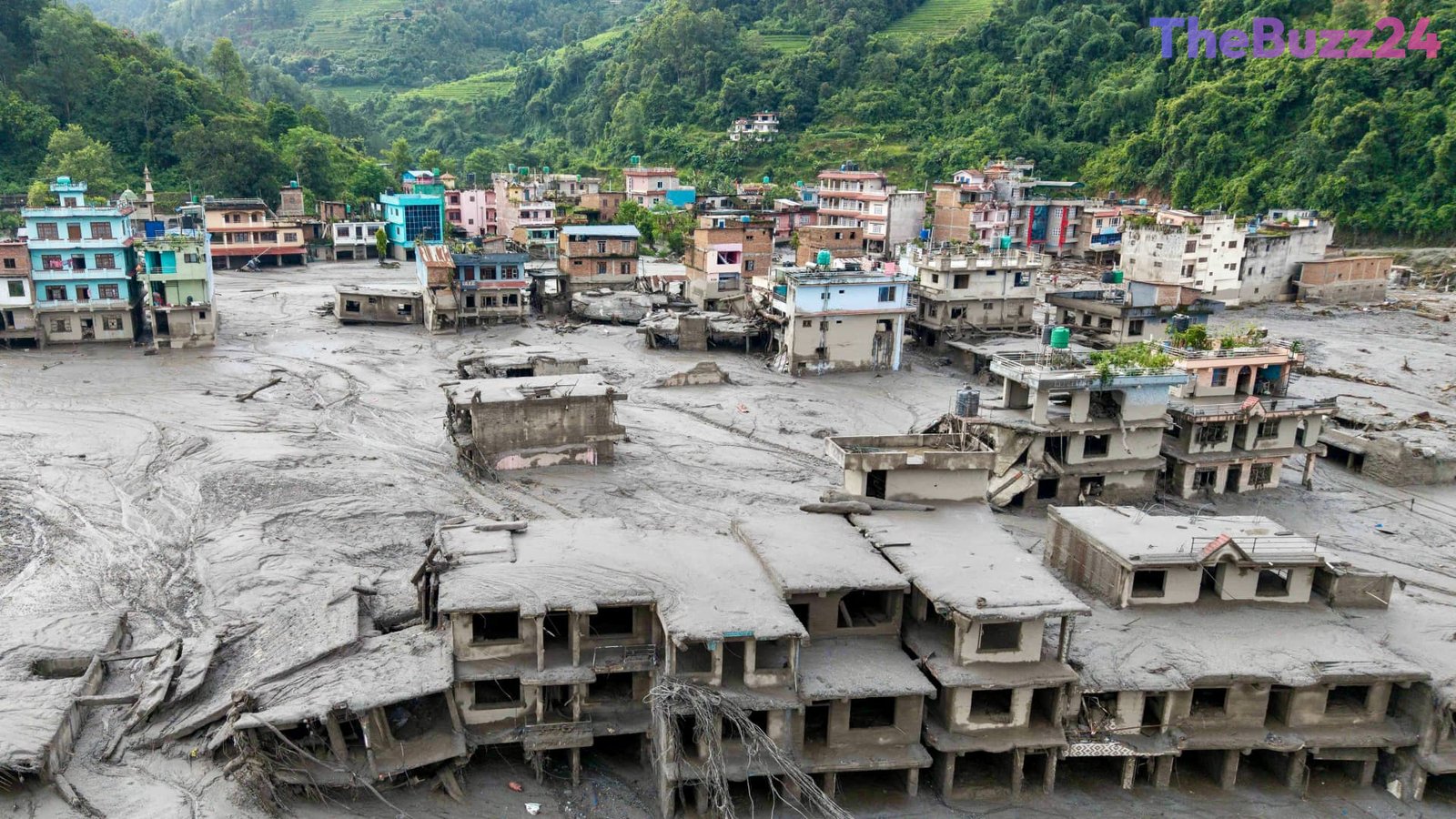
Nepal’s adventure tourism industry is grappling with a severe downturn as the nation reels from a devastating glacial flood disaster that struck the border region with China. The catastrophe, which began on August 26, was triggered by a massive glacial collapse that sent a torrent of ice, rock, and meltwater into valleys, destroying critical infrastructure including roads, bridges, and hydropower facilities. With the death toll nearing 1,000 and thousands still missing, the disaster has cast a long shadow over the upcoming peak travel season, which typically runs from mid-September to mid-November.
Local tourism operators are reporting a significant wave of booking cancellations, particularly from European travelers who fear the entire country is unsafe. Hostel owners in Kathmandu, located hours away from the disaster zone, are bracing for occupancy rates to plummet to as low as 60% compared to full capacity last year. Industry leaders emphasize that while the damage is localized, the perception of risk is widespread, threatening a sector that serves as a cornerstone of the national economy and a primary source of foreign exchange.
Beyond the immediate economic impact, the tragedy has ignited a national debate regarding climate resilience. Experts and mountaineering associations are calling for a fundamental redesign of tourism infrastructure to account for the increasing instability of the Himalayas. As glaciers thin and permafrost thaws, the risk of sudden, catastrophic landslides and floods has intensified. The government now faces the daunting task of securing an estimated $4 billion to $5 billion for reconstruction, a figure representing nearly 10% of the nation’s total economy, while simultaneously developing a more climate-conscious strategy for future tourism.
International observers and climate scientists warn that this event is a harbinger of broader regional instability. With dozens of identified dangerous glacial lakes across the Himalayan range, the potential for future disasters remains high. As the global climate warms, the stability of these mountainous regions is increasingly compromised, forcing Nepal to balance its reliance on adventure tourism with the urgent need for advanced satellite monitoring, early-warning systems, and a more robust, climate-resilient development framework.
Key Takeaways
- Nepal faces a $4-5 billion rebuilding bill following a massive glacial flood that destroyed critical infrastructure and caused nearly 1,000 deaths.
- The country's vital tourism industry is suffering from mass booking cancellations as international travelers perceive the entire region as unsafe.
- Climate scientists warn that the destabilization of Himalayan glaciers makes the region increasingly prone to sudden, catastrophic flooding, necessitating a shift toward climate-resilient infrastructure.
Editor’s Analysis & Impact
The disaster in Nepal highlights a growing tension between economic dependence on nature-based tourism and the accelerating physical risks posed by climate change. For the tourism industry, the immediate challenge is reputation management; however, the long-term outlook is far more complex. Investors and policymakers must now factor in ‘climate risk’ as a primary variable in infrastructure development. The reliance on traditional, high-altitude trekking routes is becoming increasingly precarious, potentially forcing a shift in the tourism model toward lower-altitude or more technologically monitored destinations. If Nepal cannot successfully communicate its safety protocols and invest in early-warning systems, it risks a sustained decline in foreign revenue. Conversely, if the nation successfully pivots to a ‘climate-resilient’ tourism model, it could set a global standard for how developing nations manage the intersection of environmental instability and economic survival.
Frequently Asked Questions
Q: Is it safe to travel to Nepal following the floods?
A: While the floods caused significant damage in specific border regions, much of the country remains unaffected. However, travelers are advised to monitor government alerts and consult with local tour operators regarding specific trekking routes and regional safety conditions.
Q: Why are glacial floods becoming more frequent in the Himalayas?
A: As global temperatures rise, glaciers are thinning and permafrost is thawing. This process destabilizes mountain slopes and creates fragile natural dams that can burst, leading to sudden, high-volume floods and landslides.
AI Disclosure: This article is based on verified data and official reports. Our Team and AI have cross-referenced every financial detail with primary sources to ensure total accuracy.
More from this Category