Madagascar’s Ex-Senate President Sentenced to Hard Labor Over Deadly Protest Crackdown
Madagascar’s former Senate president, Richard Ravalomanana, has been handed a 10-year sentence of hard labor for his alleged involvement in the violent suppression of youth-led protests that ultimately led to the collapse of the previous government last year. A court in the capital, Antananarivo, found Ravalomanana, a retired general and close associate of former President Andry Rajoelina, guilty of complicity in murder.
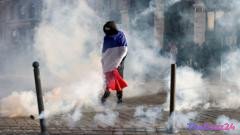
Prosecutors accused Ravalomanana of instructing security forces to use violence against demonstrators during the so-called Gen Z protests, which took place in September and October 2025. These demonstrations, initially sparked by widespread public frustration over persistent power and water shortages, escalated into a broader movement against Rajoelina’s administration. The unrest resulted in a significant human cost, with at least 22 fatalities and over 100 injuries reported, according to figures cited by local media. The political crisis triggered by these protests culminated in Rajoelina’s removal from power and the establishment of a new government under Col Michael Randrianirina.
Ravalomanana vehemently denied the allegations, stating his intention to appeal the verdict. His defense team argued that prosecutors failed to provide concrete evidence linking him directly to the violence, questioning the existence of confirmed written or verbal orders from him to security personnel. A former national police chief, testifying at the trial, supported Ravalomanana’s account, asserting that he was not part of the operational chain of command and did not issue orders to police, gendarmes, or soldiers deployed during the unrest. Ravalomanana was removed from his position as Senate president in October and subsequently arrested in December after failing to respond to a summons.
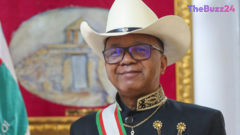
This sentencing marks a significant development in the ongoing legal proceedings against several high-ranking figures associated with Rajoelina’s former government following the change of power. Ravalomanana, known for his distinctive cowboy hat and military medals, was perceived by many protesters as a symbol of authoritarian rule. He also faces a separate corruption investigation.
Key Takeaways
- Former Madagascar Senate President Richard Ravalomanana received a 10-year hard labor sentence for complicity in murder related to the violent crackdown on Gen Z protests in 2025.
- The protests, initially driven by anger over power and water shortages, led to the downfall of former President Andry Rajoelina's government and resulted in at least 22 deaths and over 100 injuries.
- Ravalomanana denies the charges, claiming he did not issue orders for violence, and his legal team plans to appeal the court's verdict.
Editor’s Analysis & Impact
This verdict against a high-profile former official in Madagascar carries significant implications for political accountability and governance in the region. While not directly impacting specific markets or industries, the pursuit of justice in such cases can enhance investor confidence by signaling a commitment to the rule of law and stability. The future outlook hinges on the appeal process; if upheld, it could set a powerful precedent for holding leaders accountable for human rights abuses during periods of civil unrest, potentially deterring future excessive force by state actors. Broader implications include reinforcing democratic principles and the public’s demand for transparency and justice in post-transition governments across Africa. This case underscores the ongoing challenges of political transitions and the critical need for robust legal frameworks to address past grievances.
Frequently Asked Questions
Q: Who is Richard Ravalomanana?
A: Richard Ravalomanana is Madagascar's former Senate president and a retired general, known for his close ties to former President Andry Rajoelina.
Q: What were the 'Gen Z protests' about?
A: The Gen Z protests in Madagascar, occurring in late 2025, initially began due to public anger over persistent power and water shortages, evolving into a broader movement against the government of then-President Andry Rajoelina.
Q: What was the outcome of the protests?
A: The protests led to a political crisis, resulting in the removal of President Andry Rajoelina from power and the installation of a new administration led by Col Michael Randrianirina.
AI Disclosure: This article is based on verified data and official reports. Our Team and AI have cross-referenced every financial detail with primary sources to ensure total accuracy.
More from this Category