US Travel Leaders Push Trump for Ambitious 100 Million Visitor Goal Amid Declining International Arrivals
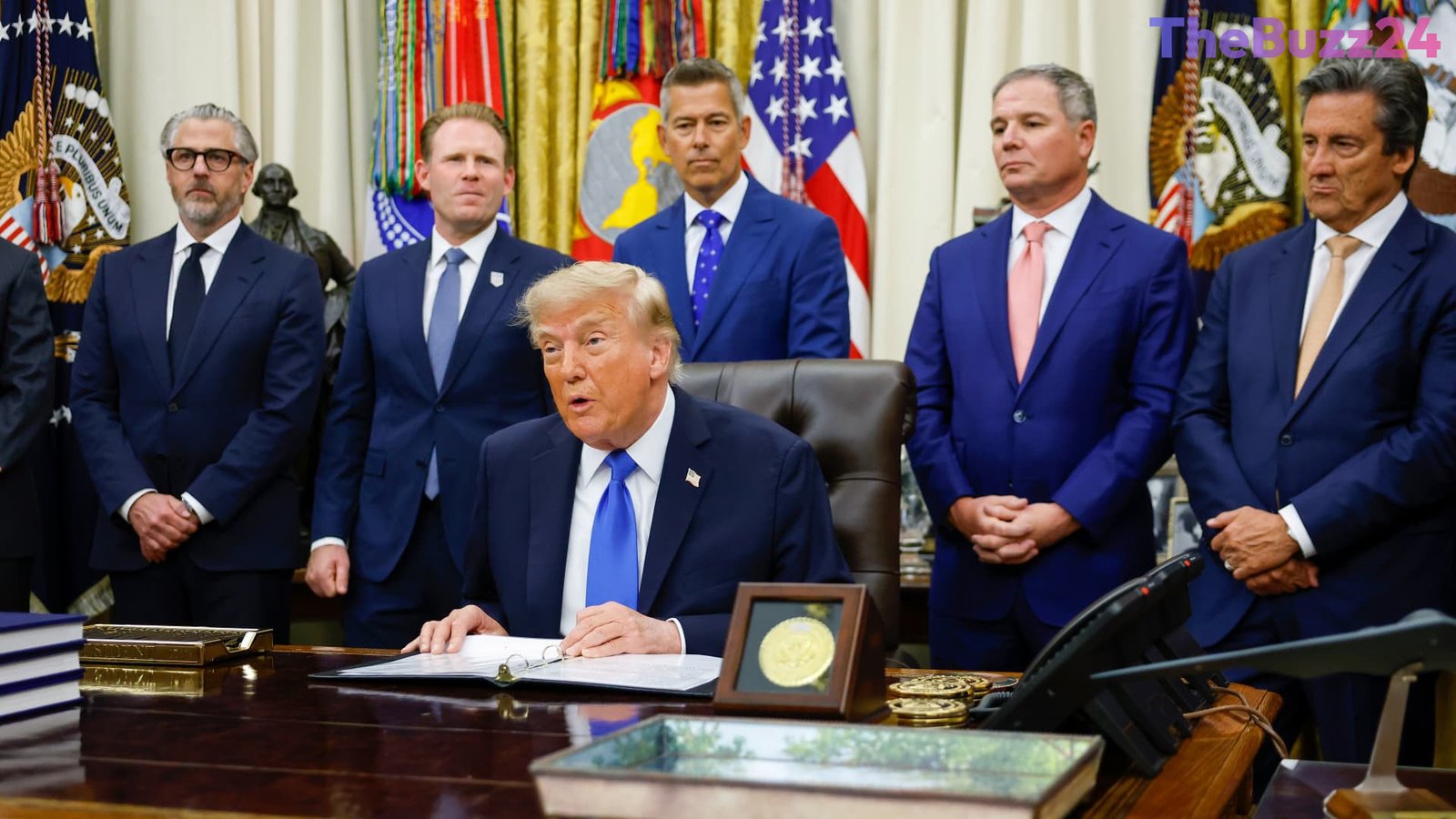
President Donald Trump recently hosted a high-profile meeting at the White House with top executives from the nation’s leading airlines, hotel chains, and travel companies. During the discussions, industry leaders urged the administration to back an ambitious target of attracting 100 million international visitors to the United States annually by 2030. Led by the U.S. Travel Association, the sector is aiming to reclaim the title of the world’s most visited destination from France, leveraging upcoming global events like the 2028 Los Angeles Olympics to fuel long-term growth.
The push comes at a critical juncture for the American tourism sector. While the recent FIFA World Cup provided a significant economic boost—driving June travel spending up 6.2% to $122.1 billion—broader metrics reveal ongoing challenges. Overseas arrivals dropped by 7% in July compared to the previous year, continuing a downward trend that saw international visitation slip to 68 million in 2025 from 72 million in 2024. Industry representatives emphasize that reversing this decline is the vital first step toward achieving their long-term growth targets.
Travel advocates pointed to several obstacles hindering international tourism, including lengthy visa wait times, stringent immigration policies, and newly proposed fees like the $250 Visa Integrity Fee. In response, the administration highlighted recent efforts to streamline entry, such as cutting visa wait times by 40% ahead of the World Cup and implementing the “FIFA PASS” priority visa system. Additionally, the federal government is deploying $12.5 billion to modernize the nation’s aging air traffic control infrastructure, aiming to improve transit efficiency for global travelers.
Key Takeaways
- Travel industry executives met with President Trump to advocate for a target of 100 million international visitors by 2030.
- Despite a temporary economic boost from the FIFA World Cup, overseas arrivals to the U.S. fell 7% in July and remain down overall.
- The industry is urging the government to ease entry barriers, opposing new visa fees and strict screening processes that deter foreign tourists.
Editor’s Analysis & Impact
The U.S. travel industry is caught in a delicate balancing act between capitalizing on massive global sporting events and navigating restrictive domestic immigration policies. While mega-events like the FIFA World Cup and the upcoming 2028 Los Angeles Olympics offer unprecedented marketing opportunities, structural barriers remain a significant deterrent for international travelers. Long visa wait times, rising entry fees, and heightened security screenings directly conflict with the goal of reaching 100 million annual visitors. For the U.S. to successfully dethrone France as the world’s premier travel destination, the federal government must align its national security priorities with streamlined, traveler-friendly policies. Modernizing air traffic control is a positive step, but systemic reforms in visa processing will ultimately dictate whether the U.S. tourism sector can achieve sustained, long-term growth.
Frequently Asked Questions
Q: Why is the U.S. travel industry targeting 100 million visitors by 2030?
A: The industry aims to make the United States the world's most visited destination, a title currently held by France, by leveraging major global events like the World Cup and the 2028 Los Angeles Olympics.
Q: What challenges are currently facing international travel to the U.S.?
A: International visitation has faced headwinds due to long visa interview wait times, tighter immigration policies, increased national park fees, and proposed new costs like a $250 Visa Integrity Fee.
Q: What steps has the administration taken to support the travel sector?
A: The administration has reduced visa wait times by 40% for certain events, introduced the FIFA PASS for priority visa processing, and allocated $12.5 billion to modernize the nation's air traffic control system.
AI Disclosure: This article is based on verified data and official reports. Our Team and AI have cross-referenced every financial detail with primary sources to ensure total accuracy.
More from this Category