California Wildfire Liability Reform Stalls, PG&E CEO Warns of Investment Delays
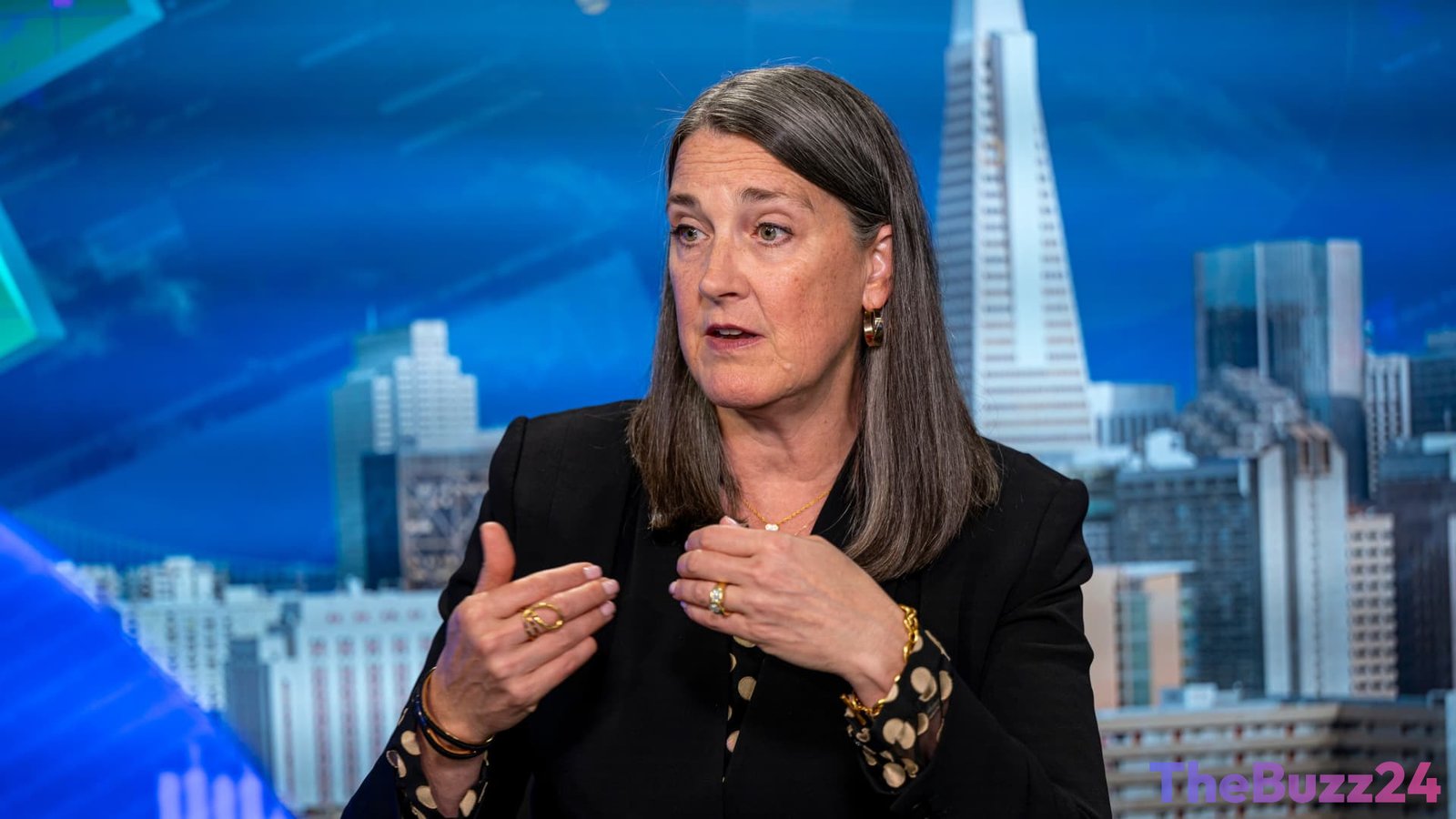
California’s efforts to enact wildfire liability reform have hit a legislative roadblock, prompting PG&E CEO Patti Poppe to call for renewed action. The failure of a recent proposal to advance through the legislature sent shares of major utilities, including PG&E and Edison International, tumbling by over 20% this week, underscoring the significant financial stakes involved.
Poppe emphasized that successful reform is critical for PG&E to reduce its borrowing costs, restore its investment-grade credit rating, and unlock billions of dollars in essential infrastructure investments. The utility had already announced a strategic review and a $2 billion reduction from its 2027 capital spending plan, bringing planned investment down to $11.4 billion. This cut, according to Poppe, will inevitably delay crucial housing starts and renewable-energy projects across California, impacting the state’s broader development goals.
However, the push for reform faces strong opposition from consumer advocacy groups, including those representing wildfire victims. These groups argue that shielding utilities from liability for fires caused by their equipment could diminish incentives for prevention and accountability. Assembly Speaker Robert Rivas echoed these sentiments, stating that “Sacramento shouldn’t settle when wildfire survivors lost everything” and that the proposed legislation did not adequately deliver relief, accountability, or meaningful reform.
Despite the setback, Poppe remains optimistic that lawmakers, under the leadership of Governor Gavin Newsom and Speaker Rivas, can still find a path forward, potentially through a special legislative session. She highlighted that lower borrowing costs, achievable with liability reform, could have saved customers an estimated $600 million in debt issuances over the past two years alone. Achieving an investment-grade rating would enable PG&E to reinvest the $2 billion cut from its plan, grow earnings, and strengthen its long-term financial stability, ultimately benefiting customers and the state’s infrastructure.
Key Takeaways
- California lawmakers failed to pass wildfire liability reform, causing PG&E and Edison International shares to drop significantly by over 20%.
- PG&E CEO Patti Poppe asserts that reform is crucial for lowering borrowing costs, regaining investment-grade credit, and enabling billions in infrastructure investment, including renewable energy and housing projects.
- The legislative setback led PG&E to cut $2 billion from its capital spending plan, while consumer groups and Assembly Speaker Robert Rivas emphasize accountability for utilities in preventing fires.
Editor’s Analysis & Impact
The stalled wildfire liability reform in California introduces significant financial uncertainty for utility companies like PG&E and Edison International. Higher borrowing costs and reduced investment capacity could impede critical infrastructure upgrades, including those vital for renewable energy integration and housing development, directly impacting California’s economic and environmental objectives. The market’s negative reaction, evidenced by the sharp decline in utility stocks, reflects investor apprehension regarding unresolved financial risks. A renewed legislative effort or special session is crucial to stabilize the market and ensure the long-term viability of essential service providers. This situation highlights the complex balance between protecting consumers and ensuring the financial health of utilities, a challenge that will likely shape future policy decisions in states prone to climate-related disasters.
Frequently Asked Questions
Q: Why is wildfire liability reform important for PG&E?
A: Wildfire liability reform is crucial for PG&E because it would limit the financial exposure of utilities to damages from wildfires caused by their equipment. This could significantly lower borrowing costs, improve credit ratings, and enable more investment in critical infrastructure, safety measures, and renewable energy projects.
Q: What was the immediate impact of the reform proposal failing?
A: Following the failure of the reform proposal, shares of PG&E and Edison International fell by over 20%. PG&E also announced a $2 billion cut to its 2027 capital spending plan, which is expected to delay housing starts and renewable energy projects across California.
Q: What are the concerns of consumer advocacy groups regarding this reform?
A: Consumer advocacy groups, including those representing wildfire victims, are concerned that limiting utility liability could reduce the incentive for companies to invest adequately in wildfire prevention and safety measures. They argue that such reforms might shift the financial burden and accountability away from utilities and onto victims.
AI Disclosure: This article is based on verified data and official reports. Our Team and AI have cross-referenced every financial detail with primary sources to ensure total accuracy.
More from this Category