Xi Jinping’s US Visit: Low Expectations Amidst Global Tensions and Trade Stalemates
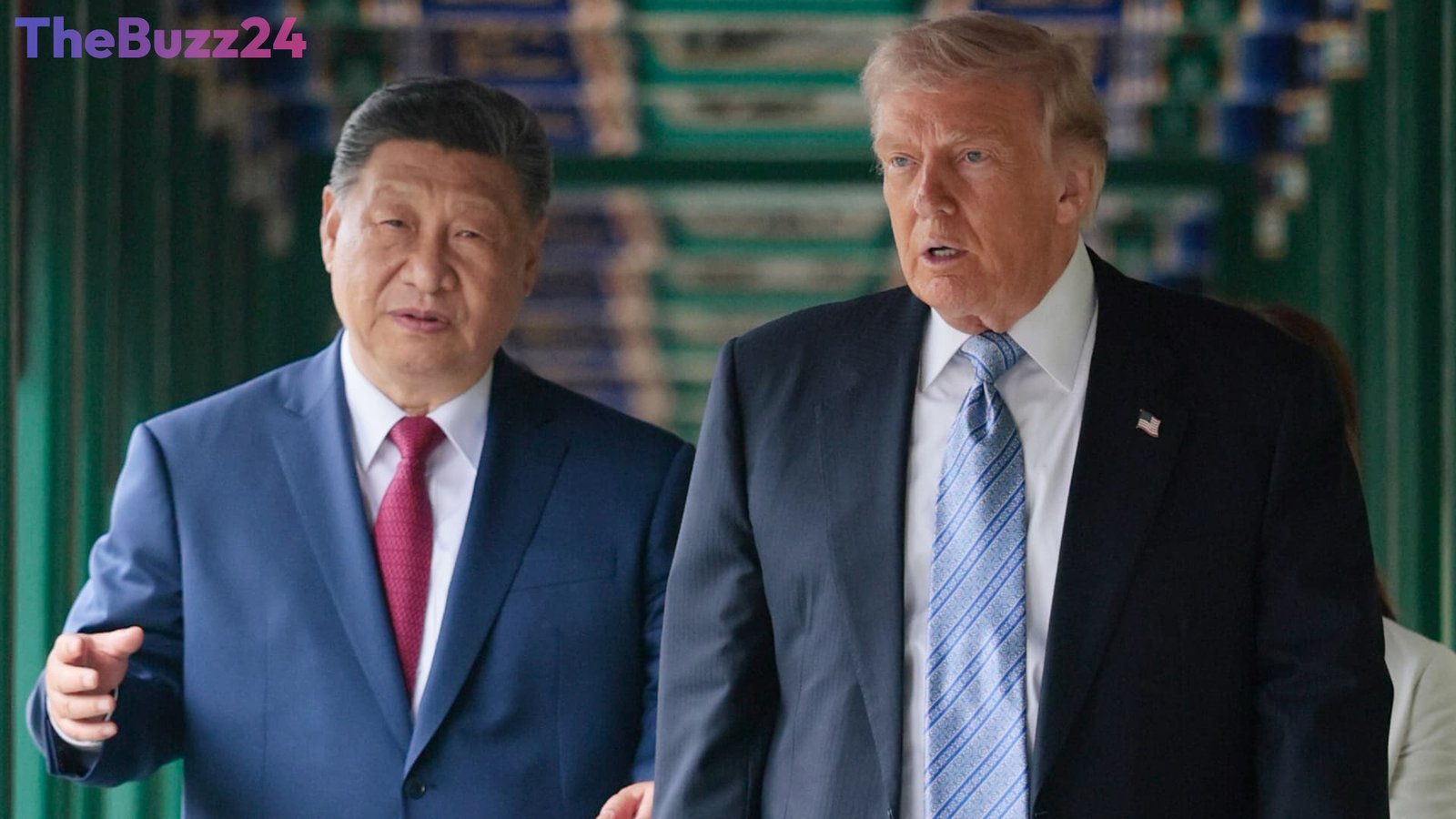
Chinese President Xi Jinping is reportedly set to visit President Donald Trump in Washington D.C. in September, a summit carrying significant global implications. However, seasoned observers of Sino-American relations are tempering expectations for major breakthroughs, citing a history of transactional diplomacy and unresolved geopolitical issues.
The impending meeting occurs against a backdrop of escalating international tensions, particularly concerning Iran. The U.S. Treasury Department has unveiled a plan to impose secondary sanctions on entities supporting Iran’s economy, a move that could potentially ensnare China, Tehran’s largest trading partner. Despite Treasury Secretary Scott Bessent’s assertions of common ground on Iran, the U.S. has emphasized China’s responsibility in finding a resolution. This delicate situation presents a complex challenge for the U.S., as aggressive action against Chinese financial institutions could jeopardize the fragile trade truce between the two economic giants and impact access to critical minerals.
Analysts suggest that the summit’s focus may lean more towards managing the existing stalemate rather than achieving substantive resolutions. This cautious approach is partly attributed to President Trump’s diplomatic style, which often favors direct leader-to-leader negotiations over extensive preparatory work. While concrete agreements might emerge, they are expected to be high-level, requiring further governmental efforts to flesh out details. The visit, slated for September 24th, though unconfirmed by Beijing, is anticipated to include a state dinner, a rare honor reserved for select world leaders during Trump’s tenure.
Adding to the complex dynamics are domestic political considerations in the U.S., with upcoming midterm elections potentially influencing the administration’s approach to international relations. The global economic landscape, increasingly shaped by artificial intelligence, will also be a key topic of discussion. Despite the challenges, both nations have expressed a desire to foster a ‘constructive’ relationship, with potential deliverables including further leader-level engagements and economic initiatives. However, past agreements, such as the Boeing aircraft deal and proposed trade boards, have seen limited progress, underscoring the persistent difficulties in translating high-level talks into tangible outcomes.
Key Takeaways
- President Xi Jinping's upcoming visit to Washington D.C. is met with low expectations for major breakthroughs due to ongoing geopolitical tensions and trade disputes.
- The U.S. plan for secondary sanctions on Iran could complicate relations with China, its top trading partner, creating a delicate balancing act for both nations.
- The summit's agenda will likely focus on managing the current stalemate rather than resolving core issues, influenced by both international dynamics and U.S. domestic politics.
Editor’s Analysis & Impact
The upcoming summit between Presidents Trump and Xi represents a critical juncture for global economic and political stability. While the U.S. seeks to leverage potential sanctions against Iran to influence China’s role, the inherent risks of disrupting the trade relationship and global financial systems suggest a more measured approach. The meeting’s outcome will likely reflect the broader trend of transactional diplomacy, prioritizing the management of existing tensions over deep-seated conflict resolution. The influence of AI on the global economy and the looming U.S. midterm elections add further layers of complexity, potentially shaping the immediate priorities and long-term implications of this high-stakes encounter.
Frequently Asked Questions
Q: What is the primary reason for low expectations surrounding Xi Jinping's visit to Washington?
A: Low expectations stem from a history of transactional diplomacy between the U.S. and China, where major breakthroughs on thorny geopolitical and economic issues have been rare. Analysts point to unresolved disputes and the current global climate as factors contributing to this cautious outlook.
Q: How might the situation in Iran impact the U.S.-China summit?
A: The U.S. plan to impose secondary sanctions on Iran's trading partners, including China, could create significant friction. While the U.S. wants China to play a role in resolving the Iran conflict, aggressive sanctions could jeopardize the U.S.-China trade relationship, leading to a complex diplomatic challenge during the summit.
Q: What are some potential outcomes of the meeting, despite low expectations?
A: Despite the cautious outlook, potential outcomes could include agreements for further leader-level meetings, fostering a sense of strategic stability. Discussions may also touch upon economic cooperation and the growing influence of artificial intelligence on the global economy, though concrete, high-level agreements are more likely than comprehensive resolutions.
AI Disclosure: This article is based on verified data and official reports. Our Team and AI have cross-referenced every financial detail with primary sources to ensure total accuracy.
More from this Category