Global Alert: ‘Supersized’ El Niño Poised to Disrupt Climate and Trade Through 2027
The global community is bracing for a period of extreme weather as a record-breaking El Niño event begins to take hold. Meteorological data suggests this phenomenon could be the most powerful observed in over 70 years, with projections indicating it may persist until at least February 2027. Experts warn that the convergence of this natural cycle with human-induced climate change is pushing the planet into uncharted territory, characterized by rapidly warming oceans and volatile atmospheric conditions.
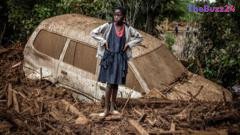
As the Pacific Ocean experiences a significant rise in surface and subsurface temperatures, the ripple effects are already manifesting globally. Regions such as South East Asia, Central America, and parts of South America are facing heightened risks of severe drought and wildfires. The impact is already disrupting critical infrastructure, evidenced by the Panama Canal reducing vessel traffic by over 10% to manage water levels. Simultaneously, other parts of the world, including China and the southern United States, are preparing for an increase in the frequency and intensity of typhoons and flooding events.
Governments and international agencies are scrambling to implement robust early warning systems and pre-emptive medical support to mitigate the potential for mass displacement and environmental damage. However, scientists emphasize that the severity of this event poses a unique challenge to vulnerable populations. Beyond immediate weather disasters, the warming oceans threaten marine ecosystems, with researchers expressing deep concern over the potential for widespread coral bleaching and the collapse of local fisheries in regions like Southern Australia.
While preparedness efforts are underway, experts caution that structural vulnerabilities—such as inadequate urban planning and fragile sanitation systems—remain significant hurdles. As the world navigates this ‘supersized’ El Niño, the focus remains on translating scientific forecasts into actionable community resilience, acknowledging that the intersection of natural cycles and long-term warming is creating a new, more dangerous baseline for global weather patterns.
Key Takeaways
- A record-breaking El Niño event is expected to last until early 2027, potentially becoming the strongest since 1950.
- The phenomenon is causing severe global trade disruptions, including reduced traffic through the Panama Canal and increased wildfire risks in Indonesia.
- Rising ocean temperatures are exacerbating the impact of the event, threatening marine life and increasing the intensity of typhoons and flooding worldwide.
Editor’s Analysis & Impact
The emergence of a ‘supersized’ El Niño represents a critical stress test for the global economy and international supply chains. By compounding the effects of long-term climate change, this event threatens to destabilize food security, energy production, and maritime logistics—most notably through the Panama Canal. The economic implications are profound; as drought and flooding become more frequent, insurance premiums, commodity prices, and disaster relief costs are likely to surge. Furthermore, the event highlights a widening gap between scientific predictive capabilities and the structural readiness of developing nations. Looking ahead, the persistence of this event through 2027 suggests that ‘extreme weather’ will transition from an occasional crisis to a permanent operational constraint for global businesses, necessitating a fundamental shift toward climate-resilient infrastructure and more agile, data-driven risk management strategies.
Frequently Asked Questions
Q: What is El Niño and why is this one considered 'supersized'?
A: El Niño is a natural climate pattern in the Pacific Ocean characterized by warmer-than-average sea surface temperatures. This event is considered 'supersized' because sea temperatures are projected to reach up to 4C above average, making it potentially the strongest occurrence since 1950.
Q: How does El Niño impact global trade?
A: El Niño alters rainfall patterns, leading to droughts in some areas that affect critical shipping routes like the Panama Canal, which relies on water levels for operation. It also triggers wildfires and floods that can disrupt agriculture, infrastructure, and supply chains in affected regions.
AI Disclosure: This article is based on verified data and official reports. Our Team and AI have cross-referenced every financial detail with primary sources to ensure total accuracy.
More from this Category